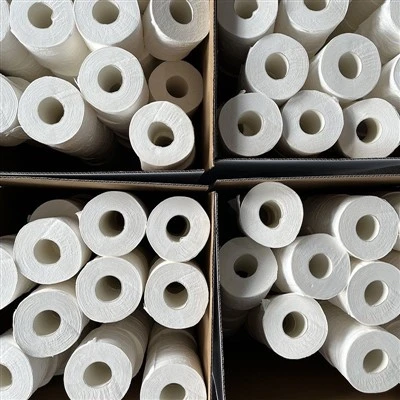
Kitchen paper and paper cups are common items in daily life, with the former often used for absorbing spills, drying hands, and wiping surfaces, while the latter is mainly for containing liquids. As a professional kitchen paper supplier, I have delved deeply into the properties of kitchen paper, and one question that frequently surfaces in customer inquiries is how the absorbency of kitchen paper compares to that of paper cups. Kitchen Paper
First, let’s understand the factors influencing absorbency. The absorbency of a material is primarily determined by its porosity, the capillary effect, and the nature of the fibers it is made from. When a liquid comes into contact with a porous material, it is drawn into the small spaces between the fibers due to the capillary effect. The more porous the material, the greater the surface area available for the liquid to adhere to, resulting in higher absorbency.
Kitchen paper is specifically designed to have high absorbency. It is usually made from cellulose fibers, which are naturally hydrophilic. These fibers create a network of small pores that can quickly draw in and hold liquids. The manufacturing process of kitchen paper further enhances its absorbency. It often involves creping, a process that creates a wrinkled surface. This not only increases the surface area of the paper but also provides more space for liquid storage. Additionally, kitchen paper may be treated with chemicals to improve its wicking ability, allowing the liquid to spread evenly throughout the paper rather than just staying in one spot.
On the other hand, paper cups are designed with different priorities in mind. While they need to be able to hold liquids without leaking for a certain period, their main function is to act as a container rather than an absorbent. Paper cups are typically made from a heavier – weight paperboard that is coated with a thin layer of polyethylene to make it waterproof. This coating significantly reduces the cup’s ability to absorb liquids. Although the paperboard itself has some absorbent properties, the polyethylene layer acts as a barrier, preventing the liquid from penetrating into the fibers of the paper.
To illustrate the difference in absorbency, let’s consider a simple experiment. Take a sheet of kitchen paper and a paper cup of the same size. Pour an equal amount of water onto each. You will notice that the kitchen paper quickly soaks up the water, and the water spreads across the sheet as it is absorbed by the fibers. In contrast, the water on the paper cup will form a pool on the surface and may start to leak around the edges if left for too long. If you try to pour a small amount of water into the paper cup and then touch the outside of the cup, you will find that the outer surface remains relatively dry because the coating is preventing the water from seeping through.
Another aspect to consider is the capacity of absorption. Kitchen paper is often sold in rolls or stacks, and each sheet can absorb a relatively large amount of liquid compared to its weight. This is because the design of kitchen paper focuses on maximizing absorbency. For example, a standard sheet of kitchen paper may be able to absorb up to 10 times its own weight in water. In comparison, the paper used in paper cups is not engineered for high – volume absorption. The main concern with paper cups is to prevent leakage during normal use, such as holding a hot or cold beverage for a short period.
In some real – world scenarios, the difference in absorbency between kitchen paper and paper cups becomes even more evident. In a kitchen, when you spill a large amount of water on the countertop, using a paper cup to soak it up would be extremely ineffective. The water would simply run off the cup’s surface, and you would need dozens of cups to even make a dent in the spill. On the other hand, a few sheets of kitchen paper can quickly mop up the mess. Similarly, when drying your hands after washing, a paper cup would be useless as it cannot absorb the moisture effectively, while a sheet of kitchen paper can dry your hands in seconds.
However, it’s important to note that paper cups do have their own advantages. Their waterproof coating makes them suitable for holding hot and cold liquids without the risk of the paper getting soggy and falling apart. They are also more durable in terms of structure and can withstand the weight and pressure of the liquid inside. Kitchen paper, on the other hand, becomes weak and may tear when it is saturated with liquid.
As a kitchen paper supplier, I understand the importance of providing high – quality products with excellent absorbency. Our kitchen paper is made from premium cellulose fibers and undergoes a strict manufacturing process to ensure maximum absorbency. We have conducted numerous tests to optimize the porosity and capillary effect of our products, so that they can quickly and efficiently absorb various types of liquids, whether it’s water, oil, or other kitchen spills.
If you are in the market for kitchen paper, whether you are a restaurant owner looking for a reliable solution to clean up spills, a household consumer in need of a convenient way to keep your kitchen tidy, or a business in the food service industry requiring high – absorbency products, we can offer you the best options. Our kitchen paper is available in different sizes, thicknesses, and quantities to meet your specific needs.
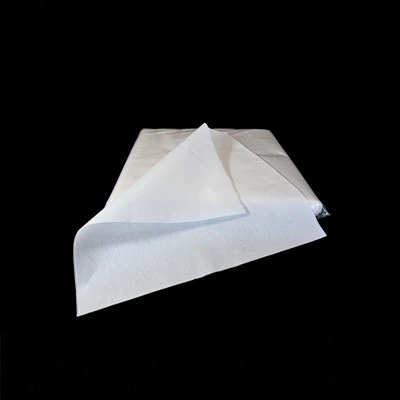
The absorbency of kitchen paper far surpasses that of paper cups due to its design, material, and manufacturing process. While paper cups have their place as liquid containers, kitchen paper is the go – to choice when it comes to absorbing liquids. If you are interested in learning more about our kitchen paper products or would like to discuss a potential purchase, please feel free to reach out. We are always happy to have a conversation with you and provide you with the best possible solutions for your absorbency needs.
Toilet Tissue References
- Textbook on Paper Manufacturing and Properties
- Research Papers on Absorbent Materials in Household Products
Hangzhou Mingxuan Sanitary Products Co., Ltd.
Hangzhou Mingxuan Sanitary Products Co., Ltd. is one of the most professional kitchen paper manufacturers and suppliers in China. With abundant experience, we warmly welcome you to buy bulk high-end kitchen paper for sale here from our factory. If you have any enquiry about cooperation, please feel free to email us.
Address: Hangzhou Mingxuan SanitaryProducts Co.,Ltd. 2-1, Baijia, Wuliqiaocun, Xindeng, Fuyang, Hangzhou City, Zhejiang, China. 311404
E-mail: sales2@mx-paper.com
WebSite: https://www.mx-paper.com/
