How often should construction machinery parts be replaced? This is a question that many construction companies, contractors, and equipment operators often ask. As a supplier of construction machinery parts, I have encountered this query numerous times, and I understand the importance of answering it accurately. The replacement frequency of construction machinery parts depends on multiple factors, including the type of machinery, the usage intensity, the operating environment, and the quality of the parts themselves. Let’s delve into these aspects in detail. Construction Machinery Parts
Types of Construction Machinery
Different types of construction machinery have different wear – and – tear rates for their parts. For instance, excavators are used for digging, lifting, and moving heavy materials. Their bucket teeth, for example, are constantly in contact with hard soil, rocks, or other abrasive materials. As a result, bucket teeth need to be inspected regularly and often require replacement every 100 – 300 working hours, depending on the nature of the work. If the excavator is used in a very rocky area, the bucket teeth may wear out even faster.
On the other hand, bulldozers are mainly used for pushing earth and debris. Their tracks are subject to significant stress. The tracks of a bulldozer typically need replacement after 1,500 – 3,000 hours of operation. This range can vary based on factors such as the hardness of the ground surface and the turning frequency of the bulldozer.
Cranes, which are used for lifting and transporting heavy objects, rely heavily on their cables and winches. The cables of a crane should be inspected monthly, and they usually need to be replaced every 6 – 12 months, depending on the frequency and load of the lifting operations.
Usage Intensity
The more intensively construction machinery is used, the more frequently its parts need to be replaced. When a machine operates for long hours every day without proper breaks, its parts are subject to continuous stress, which accelerates wear and tear.
For example, in a large – scale construction project with a tight deadline, a concrete mixer may be in operation almost non – stop. The blades inside the mixer, which are responsible for mixing the concrete, will wear out much faster compared to a mixer that is used for only a few hours a week. In high – intensity usage scenarios, the blades of a concrete mixer may need replacement every 500 – 1000 batches of mixed concrete, while under normal usage, this frequency can be extended to 1500 – 2000 batches.
Similarly, if a forklift is used to move heavy pallets throughout the entire working day in a busy warehouse, its forks and hydraulic system will experience more wear than those of a forklift used occasionally. The forks may need to be replaced every 1 – 2 years under heavy – use conditions, while under light – use conditions, they can last 3 – 5 years.
Operating Environment
The operating environment also plays a crucial role in determining the replacement frequency of construction machinery parts. Harsh environments such as mines, deserts, and coastal areas can have a significant impact on part durability.
In a mining environment, the machinery is constantly exposed to dust, dirt, and abrasive particles. The air filters of mining equipment, for example, need to be replaced much more frequently than those in a clean construction site. In a mine, air filters may need replacement every 200 – 300 working hours, while in a relatively clean environment, this can be extended to 500 – 600 working hours.
Coastal areas are characterized by high humidity and salt air, which can cause corrosion on metal parts. The metal components of construction machinery used in coastal areas, such as the chassis and hydraulic cylinders, may start to corrode more quickly. These parts may need anti – corrosion treatment more frequently, and the overall service life of the parts may be reduced by about 30% compared to equipment used in inland areas with normal humidity.
Desert environments are extremely dry and have high – wind conditions, which can result in sand and dust getting into the machinery’s moving parts. The seals and gaskets of construction equipment in deserts need to be inspected regularly and may need replacement every 300 – 400 working hours to prevent sand from entering the machinery and causing internal damage.
Quality of Parts
The quality of construction machinery parts is another important factor. High – quality parts are generally more durable and can withstand more wear and tear. They are often made from better – grade materials and undergo more rigorous manufacturing processes.
For example, high – quality engine oil filters can effectively filter out more impurities and keep the engine lubrication system clean. Compared to low – quality filters, they can last longer. A high – quality engine oil filter may last for 10,000 – 15,000 working miles, while a low – quality one may only last for 3,000 – 5,000 working miles.
Similarly, premium brake pads for construction trucks will have better heat – dissipation properties and higher friction coefficients. They can provide more reliable braking performance and may need replacement less frequently. High – quality brake pads may last 50,000 – 70,000 miles, whereas low – quality ones may need replacement after 20,000 – 30,000 miles.
Importance of Regular Maintenance and Inspection
Regardless of the general replacement guidelines, regular maintenance and inspection are essential. By conducting regular inspections, operators can identify early signs of wear and damage, which allows for timely replacement of parts. This can prevent more serious problems from occurring, such as breakdowns in the middle of a project, which can lead to significant delays and additional costs.
For example, during a regular inspection of a loader, the operator may notice that the teeth on the loader bucket are starting to show signs of excessive wear. By replacing the teeth at this early stage, the operator can ensure the efficient operation of the loader and avoid the risk of the teeth breaking off during operation, which could cause damage to the bucket and other components.
Guide to Contact for Purchase
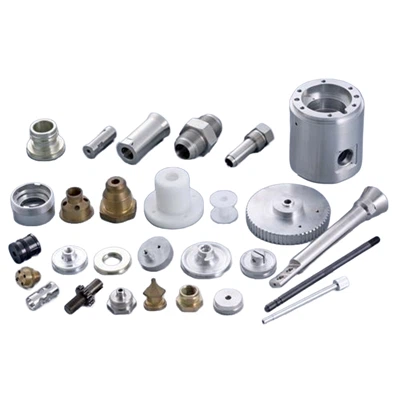
At our company, we understand the importance of providing high – quality construction machinery parts at the right time. Whether you are unsure about the replacement time of your machinery parts or need to purchase new parts, our team of experts is here to assist you. We have a wide range of construction machinery parts in stock, including parts for excavators, bulldozers, cranes, and more.
Construction Machinery Parts If you are looking for durable, reliable, and cost – effective construction machinery parts, please don’t hesitate to connect with us. Our customer service team is available to answer your questions, provide detailed product information, and offer professional advice on part replacement and maintenance. Reach out to us today to start your purchase negotiation and keep your construction machinery running at its best.
References
- American Society of Mechanical Engineers (ASME) standards on construction machinery maintenance.
- Equipment Manufacturer’s Association (EMA) guidelines for part replacement in construction equipment.
- Industry research reports on the wear and tear analysis of construction machinery parts.
Hubei Kangding Machinery Equipment Co., Ltd.
We’re well-known as one of the leading construction machinery parts manufacturers and suppliers in China, specialized in providing high quality customized products. Please feel free to buy advanced construction machinery parts for sale here from our factory. For pricelist, contact us now.
Address: Qianchang Industrial Park, Jingshan County, Jingmen City, Hubei Province
E-mail: 339248585@qq.com
WebSite: https://www.cnkangding.com/
