Hey there! As a supplier of Cholangiography Forceps, I often get asked about how to ensure the sterility of these forceps during long – term procedures. It’s a crucial topic because maintaining sterility is not just about following rules, it’s about patient safety. So, let’s dive right into it! Cholangiography Forceps

Understanding the Basics of Sterility
First off, we need to understand what sterility really means. In the medical world, sterility refers to the complete absence of viable microorganisms. For Cholangiography Forceps, this is super important because any contamination can lead to infections in the patient’s biliary tract.
When we’re talking about long – term procedures, the risk of contamination increases. There are so many factors at play, like the length of time the forceps are exposed, the environment in the operating room, and how many times the forceps are used or manipulated.
Pre – procedure Preparation
Before the long – term cholangiography procedure even starts, we’ve got to make sure the forceps are in tip – top sterile condition. The first step is proper cleaning. You can’t just skip this part! Cleaning removes visible debris, blood, and other organic matter from the forceps.
We usually recommend using an enzymatic cleaner. These cleaners are great because they break down proteins and other biological substances. You soak the forceps in the cleaner for a specific amount of time, usually around 5 – 10 minutes, depending on the product instructions. Then, you use a soft – bristled brush to gently scrub all the nooks and crannies of the forceps, especially the jaws and hinges.
After cleaning, it’s time for rinsing. You need to rinse the forceps thoroughly with clean water to remove all the cleaner residue. Any leftover cleaner can be harmful to the patient and may also affect the effectiveness of the subsequent sterilization process.
Once the forceps are clean, they need to be dried. You can use a lint – free cloth or let them air – dry. Moisture is the enemy when it comes to sterility, as it can promote the growth of microorganisms.
Sterilization Methods
There are a few different ways to sterilize Cholangiography Forceps, and each has its own pros and cons.
Autoclaving
Autoclaving is one of the most common methods. It uses high – pressure steam to kill microorganisms. The forceps are placed in a special autoclave bag and then put into the autoclave machine. The machine heats the steam to a specific temperature, usually around 121 – 134 degrees Celsius, and maintains that pressure and temperature for a set period, typically 15 – 30 minutes.
The advantage of autoclaving is that it’s very effective at killing a wide range of microorganisms, including bacteria, viruses, and fungi. However, it’s important to note that not all materials can withstand the high – pressure steam. So, make sure the forceps you’re using are autoclave – compatible.
Chemical Sterilization
Chemical sterilization is another option. You use chemical agents like glutaraldehyde or hydrogen peroxide to kill microorganisms. The forceps are immersed in the chemical solution for a certain amount of time, usually several hours.
The good thing about chemical sterilization is that it can be used for forceps that can’t handle the high – temperatures of autoclaving. But there are some downsides. Chemicals can be corrosive to the forceps over time, and you need to make sure you rinse the forceps thoroughly after sterilization to remove any chemical residue.
Ethylene Oxide Sterilization
Ethylene oxide (EtO) sterilization is often used for heat – sensitive medical devices. The forceps are placed in a sealed chamber, and ethylene oxide gas is introduced. The gas penetrates the materials and kills microorganisms.
The benefit of EtO sterilization is that it can sterilize the forceps without causing damage from high heat. However, it’s a relatively complex and time – consuming process. Also, ethylene oxide is a toxic gas, so proper ventilation and safety measures are a must.
Maintaining Sterility During the Procedure
Once the forceps are sterile, the real challenge begins – keeping them that way throughout the long – term procedure.
First of all, the operating room environment needs to be as clean as possible. The air should be filtered, and the surfaces should be regularly disinfected. The staff should also follow strict aseptic techniques. Everyone should wear sterile gowns, gloves, and masks.
When the forceps are being used, they should be handled with care. Only the sterile parts of the forceps should be touched, and they should be placed on a sterile field. If the forceps accidentally touch a non – sterile surface, they need to be re – sterilized immediately.
It’s also a good idea to have a backup set of sterile Cholangiography Forceps on hand. In case something goes wrong with the first set, you can quickly switch to the backup set without having to pause the procedure for a long time to re – sterilize.
Post – procedure Handling
After the long – term procedure is over, the forceps need to be handled properly again. They should be removed from the patient and placed in a container with a disinfectant solution right away. This helps prevent the growth of any bacteria or other microorganisms that may have been transferred during the procedure.
Then, the forceps go through the same cleaning and sterilization process as before. They need to be cleaned thoroughly to remove any leftover blood, tissue, or other debris. After cleaning, they are sterilized again so that they’re ready for the next procedure.
Quality Control and Monitoring
As a supplier, we don’t just sell the Cholangiography Forceps and forget about them. We also provide guidance on quality control and monitoring. You should have a system in place to regularly check the sterility of the forceps.
One way to do this is by using biological indicators. These are small vials containing a known amount of a specific microorganism. You place the biological indicator in the autoclave or other sterilization device along with the forceps. After the sterilization process, you incubate the indicator to see if any microorganisms survived. If no growth occurs, it means the sterilization was successful.
You can also use chemical indicators. These are strips or tags that change color when they’re exposed to the right conditions for sterilization. For example, in an autoclave, the indicator strip will change color when it reaches the proper temperature and pressure.
Choosing the Right Cholangiography Forceps
As a supplier, I know that choosing the right Cholangiography Forceps is also important for maintaining sterility. You want forceps that are easy to clean and sterilize. Look for ones with smooth surfaces and few crevices where debris can get trapped.
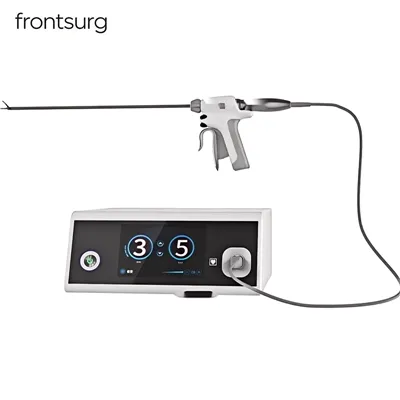
The material of the forceps also matters. Stainless steel is a popular choice because it’s durable, resistant to corrosion, and can withstand the high – temperatures of autoclaving.
Grasping and Traction So, if you’re in the market for high – quality Cholangiography Forceps that are designed with sterility in mind, don’t hesitate to reach out to me. We’ve got a range of forceps that are not only reliable but also come with all the support you need to ensure the sterility during long – term procedures. Whether you need advice on sterilization methods, quality control, or just want to have a chat about your needs, I’m here to help. Let’s get in touch and have a conversation about how we can work together to keep your patients safe.
References
- Block, S. S. (2001). Disinfection, Sterilization, and Preservation. Lippincott Williams & Wilkins.
- Rutala, W. A., & Weber, D. J. (2004). Guideline for Disinfection and Sterilization in Healthcare Facilities. Centers for Disease Control and Prevention.
Frontmed (Hangzhou) Trading Co., Ltd.
Frontmed (Hangzhou) Trading Co., Ltd. is one of the most experienced cholangiography forceps manufacturers and suppliers in China, also supports custom service. Please rest assured to wholesale high quality cholangiography forceps made in China here from our factory. Contact us for more details.
Address: Room 406, Building 6, No.1688 Chunjiang East Rd, Tonglu, 311500, Hangzhou
E-mail: alex@frontsurg.com
WebSite: https://www.frontsurg.com/
