If you’ve ever worked in industries that rely on precise, leak-free gas compression—think semiconductor manufacturing, medical oxygen production, or hydrogen fuel cell component testing—you’ve probably encountered a diaphragm compressor. These machines are the unsung heroes of many high-stakes processes, designed to compress gases without any contact between the working fluid and moving parts, making them far more reliable for sensitive applications than traditional reciprocating or rotary compressors. As a diaphragm compressor supplier who’s spent the last 12 years troubleshooting, upgrading, and standing behind every unit we ship, one question I get more than any other is: “What’s the warranty period for a diaphragm compressor?” Diaphragm Compressor

It’s not a simple yes-or-no answer, and I’ve seen too many buyers make costly mistakes by assuming a generic warranty applies to all diaphragm compressors. Today, I’m breaking down exactly what goes into our warranty, why it’s structured the way it is, and what you should look for when evaluating any diaphragm compressor provider.
First, let’s get one thing straight: diaphragm compressors aren’t one-size-fits-all. Unlike air compressors that run on general shop air, our units are built for specific, often harsh operating conditions. A small diaphragm compressor used for lab-scale hydrogen testing has way different demands than a 500-horsepower unit that feeds a 24/7 industrial hydrogen refueling station. That’s why warranty periods can vary widely, even between reputable suppliers.
At our company, we design every diaphragm compressor with three core design pillars: material science, precision engineering, and quality control. Each of these directly impacts warranty length. Let’s start with materials, because that’s the foundation of a diaphragm’s performance. The diaphragm itself is a thin, flexible metal (usually 316L stainless steel, Hastelloy, or titanium) that flexes thousands of times per minute during operation. If a supplier cuts corners here—using a lower-grade stainless steel or thinner material—their diaphragm will fail prematurely, and they’ll likely offer a shorter warranty to offset those costs.
For our standard line of industrial diaphragm compressors, the base warranty is 12 months from the date of shipment, or 10,000 operating hours—whichever comes first. Wait, I know what you’re thinking: 10,000 hours is only about 14 months of continuous operation, so why not just use calendar time? Because our customers don’t all run their compressors 24/7. A semiconductor fab might run their unit 80 hours a week, so 10,000 hours would take them over two and a half years, which is far more reasonable than a 12-month calendar limit that forces them to pay for unneeded repairs right when their machine is still running perfectly. That’s a key difference between a cookie-cutter warranty and one built for real-world use.
But here’s the thing: the base warranty only covers defects in materials and workmanship. It doesn’t cover misuse, improper installation, or parts that wear out from normal operation (more on that later). That’s why many customers ask about extended warranty options. We offer two tiers of extended coverage, tailored to our customers’ needs. The first is a 24-month total operating warranty, which covers all parts and labor for any factory defect, for up to 20,000 operating hours. The second is a performance warranty, which we only offer for critical applications like medical oxygen compression or hydrogen refueling, where downtime can cost tens of thousands of dollars per hour. This warranty guarantees that the compressor will maintain its rated compression efficiency (within 5%) for the first 36,000 operating hours, and covers any diaphragm or valve replacements needed to hit that mark.
Now, let’s talk about what voids a warranty, because this is where a lot of customers get tripped up. I’ve had more than a few come to me saying their compressor “broke under warranty,” only to send us photos of their installation with the compressor sitting in a dusty warehouse without a proper filtration system, or running a gas that’s not listed in our operating manual. Diaphragm compressors, like any precision machine, need proper setup and maintenance. We provide a full installation guide with every unit, and we offer on-site startup services for a small fee, to make sure every connection is tight, the gas lines are free of contaminants, and the pressure and temperature settings are calibrated correctly. If you skip that step and run the compressor with dirty gas, you’ll damage the valves and diaphragm way before their lifespan, and that’s not covered. We also void the warranty if you use non-genuine replacement parts. I’ve seen customers try to save a few dollars by buying generic valve kits, and within months, those parts wear out and scratch the diaphragm—costing them way more than they saved.
Another common question: do parts like the diaphragm or valves have their own warranty? The short answer is yes, but they’re considered wear items, so their warranty is separate from the overall compressor. Our diaphragms are tested to last a minimum of 30,000 operating hours under normal conditions, and we offer a 12-month warranty on diaphragms for defects in manufacturing, not for normal wear. Valves are a bit more robust, with a 24-month warranty under normal use. It’s important to note that even with the best materials, diaphragms will eventually wear out—they’re designed to flex, after all. A good warranty doesn’t promise that nothing will ever wear out; it promises that the parts won’t fail before their expected lifespan due to poor manufacturing.
Let’s compare this to what I’ve seen from other suppliers, to give you a sense of industry standards. Some budget suppliers offer only a 6-month calendar warranty, which is a red flag. That usually means they’re using cheaper materials, cutting corners on testing, and don’t stand behind their product. Others offer a 24-month warranty, but it’s strictly calendar time, not based on operating hours. That might work for small, infrequently used units, but for industrial compressors running 24/7, a calendar-based warranty is essentially useless—your unit is barely broken in by the time the warranty expires.
So, what can you do to maximize your compressor’s warranty? First, choose a supplier that offers an operating-hour-based warranty, not just calendar time. Second, follow all installation and maintenance guidelines, and keep detailed records of when you change filters, do oil checks (wait, no—diaphragm compressors are oil-free, right? Yeah, that’s another key point—our units are fully oil-free, so you don’t have to deal with oil contamination, which is a big plus for sensitive gases. I should mention that in here. Third, if you need extended coverage, ask about performance warranties tailored to your application. For example, a medical oxygen compressor can’t have any gaps in supply, so our performance warranty guarantees uptime or covers replacement parts to minimize downtime.
At the end of the day, the warranty isn’t just a guarantee of repairs—it’s a reflection of a supplier’s confidence in their product. We’ve been testing our latest line of high-pressure diaphragm compressors for over three years, racking up more than 50,000 operating hours in real-world industrial settings, before we even announced the warranty terms. We know our units will last, because we built them with quality from the ground up.
If you’re in the market for a diaphragm compressor, whether for small-scale lab use or a large industrial application, I encourage you to reach out to our team to discuss your specific needs. We can walk you through warranty options, help you choose the right unit for your operating conditions, and answer any questions you have about performance, maintenance, or parts. Don’t settle for a compressor with a generic, short warranty—you’ll save money upfront, but you’ll end up paying for costly downtime and premature replacements down the line.
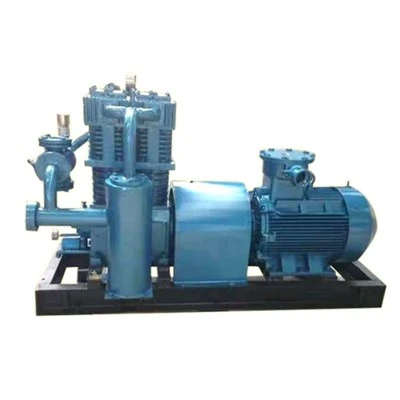
For more details on our warranty terms, performance specifications, or to arrange a consultation to discuss your project requirements, get in touch with our sales team today. We’re here to help you find the right diaphragm compressor for your needs, and stand behind every unit we ship.
Screw Gas Compressor References
- Compressed Gas Association. (2021). Standards for Diaphragm Compressors for Industrial Gases. CGA Publication V-6.
- Hastelloy Corporation. (2022). Material Performance Data for Diaphragm Components in High-Pressure Gas Compression. Technical Report HAST-22-004.
- International Organization for Standardization. (2020). ISO 13842: Compressors, Vacuum Pumps and Vacuum Systems – Safety Requirements for Diaphragm Compressors.
Shanghai Sollant Energy Saving Technology Co., Ltd.
As one of the most professional diaphragm compressor manufacturers and suppliers in China, we’re featured by quality products and good service. Please rest assured to buy bulk durable diaphragm compressor from our factory. Welcome to view our website for more information.
Address: No.215, Songri Center, Beihongqiao, Jiading District, Shanghai, China.
E-mail: info3@sollant.com
WebSite: https://www.sollant-gas.com/
