Hey everyone, let’s cut to the chase—if you’ve ever stared at a bag of dried shiitakes, wood ear, or oyster mushrooms in your pantry and thought, “Wait, can I toss these in sushi?” you’re definitely not alone. As the owner of a small dried Asian mushrooms supplier, I get this question all the time—both from home sushi lovers testing their hand at maki rolls and from sushi chefs looking to switch up their regular fillings. I’ve spent years sourcing, testing, and educating folks about how dried mushrooms work, so let’s break this down straight, no fancy jargon, no fluff. Dried Asian Mushrooms
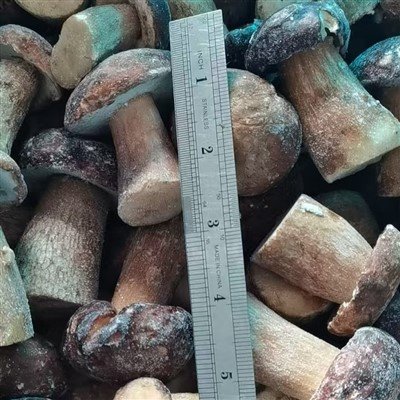
First, let’s talk about why fresh sushi uses fresh stuff, right? Sushi is all about bright, clean, immediate flavors—raw fish, crisp veggies, that tangy rice. Dried mushrooms, though, have a whole different vibe: they’re concentrated, umami-packed, with a deep, earthy note that fresh mushrooms just can’t match. But here’s the thing: “can you use them?” isn’t a yes/no answer—it’s a matter of how you prep them, which kind you pick, and what kind of sushi you’re making. Let’s start with the basics of dried Asian mushrooms: when you dry them, you’re removing almost all their water (like 90% or more), which locks in their nutrients and flavor. Rehydrating them brings that back, but not exactly to their fresh state—so you have to work with that.
Let’s go through the most common types I supply, because not all dried mushrooms are equal for sushi. First up, dried shiitakes—my best seller, and the most versatile for sushi. Fresh shiitakes can be a bit mild, even watery, but dried ones? They’re umami royalty. I’ve seen sushi chefs use rehydrated shiitakes as a filling for inari sushi (those sweet, pouched tofu rolls) and also as a topping for nigiri. Wait, but rehydration is key here. If you just toss a dried shiitake into water for 10 minutes, it’ll be rubbery, not flavorful. You need to do it right: soak them in warm (not boiling!) water for 20-30 minutes, until they’re soft. Then squeeze out the excess water—this is important, because if they’re too watery, they’ll mess up your sushi rice (no one likes soggy rice). After that, you can simmer them in a little soy sauce, mirin, and sugar for 10 minutes to infuse even more flavor—this is called “shiitake simmer,” and it’s a game-changer. I’ve had home cooks tell me adding this to their maki rolls makes them way more complex than just using avocado or cucumber.
Next, wood ear mushrooms—dried, they’re those dark, thin, ear-shaped things, and when rehydrated, they get that crispy, crunchy texture. Now, wood ear is a little trickier for sushi, but not impossible. The main thing is their texture: they’re chewy, not soft, so you don’t want to oversoak them (15 minutes max) because they’ll get mushy. I’ve had customers use thin strips of rehydrated wood ear in spicy tuna rolls, mixing it with the spicy mayo to add a crunch that fresh veggies can’t give. But warning: don’t use too much, because their earthy flavor is strong—balance it out with something tangy, like pickled ginger, to cut through it. Also, make sure to remove those tiny, tough stems before using; they’re not pleasant to bite into.
Then there’s dried oyster mushrooms—these are meaty, milder than shiitakes, so they’re great if you don’t want something too bold. Rehydrate them for 25 minutes, squeeze well, then you can sauté them lightly with a little garlic and sesame oil before adding to sushi. I’ve seen home cooks use them as a vegetarian filling for maki, paired with cucumber and cream cheese, and it works really well because their texture is tender, not crispy, so it matches the rice and other soft fillings.
Now, let’s get real about the mistakes people make when using dried mushrooms in sushi. First, not rehydrating them properly. Boiling water is a big no—it can make them tough or cook off some of that great flavor. Warm (around 100-110°F, so like a nice bath temp) is perfect. Second, not squeezing out excess water. Like I said, soggy rice is the enemy of good sushi. I always tell my customers to give each mushroom a gentle squeeze, not a full-on squeeze that makes them fall apart, just enough to get rid of that extra water. Third, using the wrong mushroom for the job. If you want a crunchy topping, wood ear is your go-to; if you want a rich filling, shiitake; if you want something mild, oyster. Don’t swap a meaty shiitake for a delicate wood ear and expect it to work—they have totally different textures and flavors.
Wait, what about raw sushi? Can you use dried mushrooms for sashimi? No, that’s a hard no. Dried mushrooms rehydrate into soft (or chewy) flesh, not the silky, raw texture of fresh fish or veggies. So save dried mushrooms for cooked sushi: maki, inari, nigiri toppings, rolls, that kind of thing. Also, if you’re making vegan sushi, dried mushrooms are such a great alternative to fish or meat because of that umami kick—no one will miss the fish when you’ve got properly prepped shiitake simmer in your rolls.
I’ve tested this myself, too, just to make sure I’m giving good advice. Last year, I hosted a little sushi night at my place, using all my dried mushrooms. I made three rolls: one with simmered shiitake, one with wood ear and spicy mayo, and one with sautéed oyster mushroom. My friends, who are all sushi fans, didn’t guess they were using dried mushrooms—they thought I used fresh specialty mushrooms. The key was the prep time: taking the extra 30 minutes to rehydrate, squeeze, and flavor them made all the difference. It’s not just pouring water on them and calling it done; it’s treating them like an ingredient, not a filler.
Another thing to consider: shelf life. Dried mushrooms stay good for a year (if stored in a cool, dry place, no airtight container needed—just a paper bag works great), so you can keep them on hand for whenever you feel like making sushi, no need to run to the store for fresh mushrooms. That’s the biggest plus for home cooks, right? Last minute sushi craving? Pull out your dried shiitakes, rehydrate, and you’re good to go in 30 minutes.
Now, let’s talk about when it might not work. If you’re making super light, traditional sushi—like plain tuna nigiri with just a touch of wasabi—dried mushrooms are probably too bold. But if you’re experimenting, doing fusion sushi, or making vegetarian sushi, they’re perfect. I’ve had a few chefs reach out to me lately who run plant-based sushi spots, and they use my dried shiitakes as their go-to umami topping because it’s consistent and affordable, way cheaper than fresh shiitakes that go bad in a few days.
Wait, also, food safety. Since we’re using mushrooms, make sure they’re from a reputable supplier (hi, that’s me!)—dried mushrooms should be inspected for mold, no weird smells, and rehydrated properly. Don’t use mushrooms that have been sitting in your pantry for over a year, even if they look fine. When you rehydrate, check the water—if it smells off, toss it, use fresh water. Easy, no big deal, just common sense.
Let me wrap this up. The short answer is: Yes, you can absolutely use dried Asian mushrooms in sushi—if you pick the right type, prep them the right way, and match them to the right kind of sushi. Shiitakes are for rich fillings and toppings, wood ear for crunch, oyster for mild, meaty bites. Don’t skip the rehydration and squeezing, and don’t use them for raw sushi. It’s a great way to add depth, umami, and texture to your rolls, plus they’re shelf-stable and easy to keep on hand.
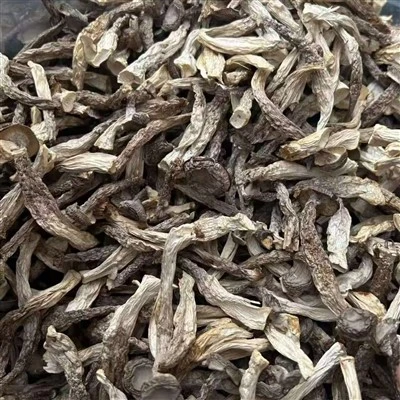
If you’re a home cook looking to stock up, or a sushi chef wanting to switch up your vegetarian or fusion offerings, hit me up to chat about ordering. We’ve got all the types I mentioned, tested for quality, and I can send over a little guide with exact rehydration and cooking times to make sure your sushi turns out perfect. Don’t overcomplicate it—give dried mushrooms a shot, I promise you won’t regret it.
Dried Premium Wild Mushrooms References:
- USDA FoodData Central: Nutritional composition of dried shiitake mushrooms.
- Asian Culinary Institute: Traditional methods for rehydrating and preparing dried Asian mushrooms.
- Journal of Food Science and Technology: Effects of drying on umami compounds in edible mushrooms.
- Sushi for Beginners: Home Cooking Guide by Toshiro Ishii.
Qingyuan Manchu Autonomous County Lichang Native Produce Co., Ltd.
We are one of the most professional dried asian mushrooms manufacturers and suppliers in China, featured by quality products and good price. Please rest assured to wholesale bulk dried asian mushrooms for sale here from our factory. Welcome to view our website for more information.
Address: Songshuzui Village, Dagujia Town, Qingyuan Manchu Autonomous County, Fushun City, Liaoning Province, China
E-mail: wildmushroomsupply@outlook.com
WebSite: https://www.wildmushroomsupply.com/
