If you’ve ever worked in manufacturing, logistics, or even just automotive repair, you’ve probably seen those big, rugged steel barrels stacked in corners or on shipping docks. I’m not just some random blogger yammering about containers, by the way— I run a steel barrel supply business, so I get all the random questions about what these things can (and can’t) hold. One I get all the time, especially lately, is: “Can steel barrels actually be used for storing lubricants?” Steel Barrel
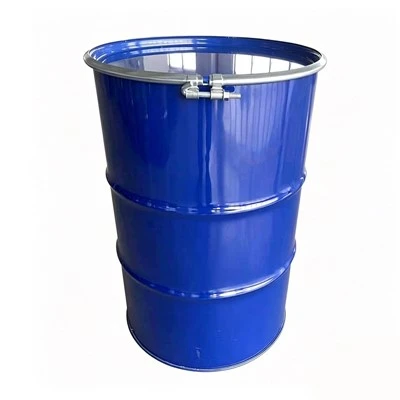
Short answer? Yeah, most of the time. But before you go running to stock up on 55-gallon steel drums for your grease, hydraulic oil, or gear lube, there’s a lot of fine print here— and I’ve learned this stuff the hard way, not from some textbook. I’ve had customers call me panicking because their lubricant went bad after 6 months in our barrels, and other guys who’ve been using our drums for transmission fluid for 10 years with zero issues. Let’s break this down like we’re chatting over a (non-lubricated) coffee, no stuffy corporate jargon.
First, let’s talk about what steel barrels are made of, because that’s half the battle. Most standard steel barrels I supply are made from mild carbon steel— think basic, durable stuff that’s cheap to manufacture and tough enough to take a beating on a loading dock. But carbon steel has a secret enemy: water, and also, some chemicals that can react with it. Wait, but lubricants— aren’t those supposed to keep metal from reacting? Only if they’re the right lubricant, and only if the steel and the oil aren’t mixing in a bad way.
Let’s start with the good stuff first, because I don’t want to scare anyone off. For most standard industrial lubricants— like general-purpose gear oil, hydraulic fluid, or even motor oil meant for industrial machinery— steel barrels work perfectly. Why? Because those lubricants are formulated to be pretty chemically stable, and they don’t react with carbon steel. I’ve had a construction company client who uses 30 of our 55-gallon steel drums a month for their new equipment’s hydraulic oil, and he’s never complained about contamination or the oil breaking down. He told me last month he switched from plastic drums because plastic would crack in the Arizona heat, and steel holds up way better out in the desert. That’s a big one— temperature. Plastic barrels can warp or leach chemicals when it’s super hot, but steel? It holds its shape, no weird leaching, as long as we line it right.
Speaking of lining— that’s the part most DIY guys forget, and it’s the mistake that causes all the problems. Basic bare steel drums? Don’t use those for everything. For example, if you’re storing synthetic lubricants or specialty greases that have additized packages— like anti-wear agents, rust inhibitors, or extreme pressure (EP) additives— bare carbon steel might react with those additives over time. I learned this the hard way a few years back when a guy who ran a food processing plant called me because his EP gear lube turned cloudy after 3 months in our unlined barrels. Turns out, the additives in the lube were bonding with the steel’s surface, creating sludge that ruined the lubricant. I hooked him up with our epoxy-lined barrels, and he hasn’t had an issue since. Epoxy lining is basically a thin, food-safe plastic coating that separates the steel from whatever’s inside it, so no metal-oil reaction. That’s non-negotiable for specialty lubes, guys.
Now, the red flags— what lubricants should you never put in standard steel barrels, even lined ones? Let’s get real here. First, lubricants with high water content? Wait, no— actually, water isn’t the main issue. Wait, let’s get specific. Acidic lubricants— like some of the bio-based or vegetable-oil based lubricants that are popular for “green” operations these days. Those can eat through epoxy lining over time, and then they start corroding the steel underneath. I had a customer switch to bio-based hydraulic oil to meet sustainability goals, and he used our epoxy-lined drums, but after 8 months, the lining started peeling. We ended up having to get a custom phenolic lining for him, which is way more resistant to acids. Another no-no? Lubricants that are super viscous, like heavy gear lube or pasty grease. Wait, can you put those in steel barrels? Yeah, but only if you have the right drum— like a closed-head barrel with a wide enough bung to get the grease gun in, or a barrel with a pump attachment. I’ve seen guys try to pour 100-pound drum grease into a narrow-bung barrel and end up covered in grease for a week. So it’s not that you can’t, it’s that you need to match the drum to the lube.
Another thing people overlook when storing lubricants in steel barrels: rust. Even if you line the steel, if the drum gets a dent, or the lining gets scratched, moisture can get in there and start corroding the steel. Rust particles in lubricant are a huge problem— they can scratch up machinery parts, wear out pumps, and ruin the whole batch of oil. That’s why all the steel barrels I supply go through a strict pre-test: we pressure test them for leaks, check the lining for scratches, and coat the exterior with a rust-resistant paint (usually a high-gloss powder coat) so they hold up to being stored outdoors. A lot of cheaper barrel suppliers skip that step, and that’s why you hear horror stories about rusty drums ruining lubricant.
Wait, what about long-term storage? Like, if you need to keep lubricant for a year or more, not just a few months? Steel barrels are actually great for that, but only if you store them right. Keep them in a cool, dry place— not in direct sunlight, because UV rays can break down lubricant additives, and they can also fade or crack the lining. Also, keep the bungs tight— even a tiny gap can let in moisture or dust, which will contaminate the oil. I had a client who stored a barrel of industrial oil in his warehouse for 18 months, and when he opened it, the oil was fine— no sludge, no rust, just like when we sold it to him. But he told me he kept it on its side to keep the bung sealed, not upright. Wait, that’s another tip I learned— storing steel barrels horizontally for long-term storage prevents the bung gasket from drying out and cracking. Brilliant, right?
Now, let’s compare steel barrels to the other option everyone uses: plastic drums. A lot of people swear by plastic, but I see way more issues with plastic for lubricant storage. Plastic can leach chemicals into the oil over time, especially when it’s hot. I had a small engine repair shop guy tell me he switched to plastic drums because they were cheaper, but after 6 months, his motor oil had a weird chemical smell, and he ended up having to dump 20 barrels of oil because it wasn’t usable in engines. Steel, on the other hand, is inert with most lubricants when lined right, so no leaching. Plus, steel barrels are reusable— like, way more reusable than plastic. A good steel drum can be cleaned and refilled 5-10 times, which saves money in the long run, and that’s a big plus for small businesses watching their budgets. Plastic drums? They get brittle after a few uses, especially if they’re left in the sun, and you can’t reuse them as much.
But I can’t be all biased here, right? There are cases where steel barrels aren’t the best pick. For example, if you’re storing a super corrosive industrial lubricant— like some types of cutting oil or rust remover that’s mixed with strong chemicals— you might need a specialty liner or even a different material entirely, like fiberglass. But for 90% of the lubricant my customers carry, steel barrels are the go-to. Another case: if you need to ship lubricants internationally, steel barrels are way more durable than plastic, so they’re less likely to get crushed or damaged in transit, which prevents leaks and contamination. I’ve had a customer ship lubricant to a factory in Mexico, and their plastic drums got crushed on the way, spilling oil all over the shipping container. Switching to our steel barrels fixed that problem, no more spills.
Wait, let’s talk about maintenance, because that’s what most small business owners don’t plan for. If you’re reusing steel barrels for lubricant, you can’t just rinse them out with water and go. You need to clean them properly— use a solvent that’s compatible with the next lubricant you’re storing, and make sure the barrel is completely dry before refilling. Water is the enemy here, right? Even a drop of water in a barrel of hydraulic oil can cause cavitation in pumps, which ruins expensive machinery. I always tell my customers: if you’re reusing a steel barrel, it’s worth the extra 10 minutes to clean it right, instead of dealing with a ruined batch of lubricant.
Let me wrap this up, because I know you’re tired of reading. So, to answer the original question: Yes, steel barrels absolutely can be used for storing lubricants— as long as you get the right type of steel barrel for your specific lubricant, line it properly (or get a specialty lined barrel if you’re using a specialty oil), store it correctly, and do a little maintenance if you’re reusing it. The mistakes I see most people make? Using unlined steel barrels for specialty lubes, not storing them in a cool dry place, and skipping the maintenance when reusing.
At the end of the day, I’ve been in this business long enough to know that steel barrels aren’t just for shipping chemicals or grain— they’re perfect for lubricants, if you use them right. If you’re not sure which barrel is right for your lubricant, don’t just pick the cheapest one on the market. Hit me up, we can chat through what you’re storing, how long you need to store it, and whether you need a standard lined barrel, a specialty phenolic-lined one, or even a custom size. No pressure, no salesy garbage— just a guy who’s dealt with hundreds of customers and knows what works.
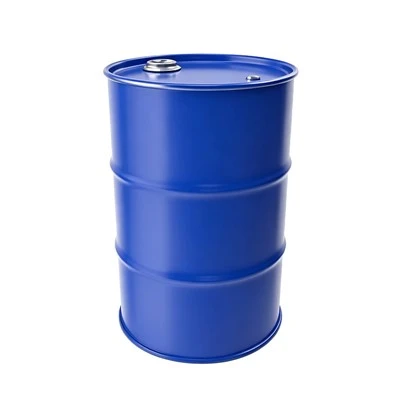
Wait, don’t ghost me— if you’re tired of dealing with ruined lubricant because of bad containers, let’s connect. I’m here to help, not just sell you a barrel. Let’s work out a solution that fits your needs, not just my bottom line.
Steel Barrel References
- American Petroleum Institute. (2021). Storage and Handling of Industrial Lubricants. API Publication 1584.
- Steel Drum Manufacturers Association. (2022). Material Compatibility Guidelines for Industrial Containers. SDMA Technical Bulletin 007.
- Occupational Safety and Health Administration. (2020). Storage of Hazardous Materials in Industrial Containers. OSHA 3325-09R.
- National Lubricant Grease Institute. (2021). Compatibility of Lubricant Additives with Storage Containers. NLGI Technical Report 101.
Anhui Lining Packaging Container Co., Ltd.
We are one of the most professional steel barrel manufacturers and suppliers in China, also support customized service. Please rest assured to wholesale bulk high quality steel barrel in stock here from our factory. If you have any enquiry about quotation, please feel free to email us.
Address: Maodikou Village, Dangshan County, Anhui Province
E-mail: In13905677285@126.com
WebSite: https://www.liningpack.com/
