As a used truck supplier, I field this question every single week: “How often should I service a used truck?” It’s one of the most important ones I get, because skipping the right maintenance on a pre-owned unit isn’t just an avoidable expense—it’s a safety risk, a productivity killer, and the fastest way to turn a solid investment into a money pit. When I send a used truck to a new owner, I don’t just hand over the keys and walk away. I build a maintenance schedule tailored to that specific vehicle’s age, history, and work purpose, because no two used trucks are the same. I’ve seen a 2018 Freightliner that’s only done local grocery deliveries with half its service life left, and a 2019 Kenworth that pulled cross-country freight nonstop, logged 800,000 miles, and needs way more frequent care than a used pickup truck someone uses for weekend hauling. Used Truck
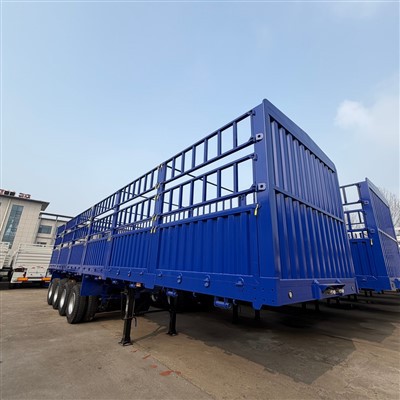
Let’s start with the basics: first, you need to know what you’re working with. Most used trucks come with a service manual—even if they’re pre-owned, the original manufacturer’s guidelines are a solid baseline. But that baseline often assumes the truck was maintained perfectly by its previous owner, which is rarely the case. When a truck is used for heavy-duty work, hauling loads above its gross vehicle weight rating (GVWR), or sitting idle for long stretches between runs, those guidelines go out the window. I always tell new buyers to pull the maintenance records first—if there’s a gap in oil changes every 5,000 miles, or the air filter was never replaced, that truck’s already running on borrowed time. That’s why step one after purchasing any used truck is a full baseline inspection, not a quick wipe-down and test drive. I include that baseline service in the price for every used truck I sell, because catching a worn timing belt or clogged fuel injector before you hit the road saves you thousands later.
Now, the real answer: how often to service it depends on three big factors, and I’ll break each down with real-world examples from my 12 years in the used truck business.
First factor: mileage and work type. This is the biggest driver of service intervals. For a used light-duty work truck (like a ½ ton or ¾ ton used for landscaping, small cargo, or personal hauling), standard service intervals are a good starting point: oil and filter changes every 5,000 to 7,500 miles, transmission fluid flush every 30,000 miles, brake inspection every 10,000 miles, and air filter replacement every 15,000 to 20,000 miles. But push that truck past its limits, and those numbers drop fast. I had a customer last year who bought a 2017 Ford F-250 from me for his construction company, and he was hauling 12,000-pound concrete loads 6 days a week, no days off. His truck was supposed to get an oil change every 7,500 miles, but after 3 months, his mechanic found sludge in the crankcase because the engine was working 50% harder than it was designed for. We adjusted his schedule to every 3,500 miles, and he hasn’t had a major engine issue since.
For medium-duty trucks (10,000 to 26,000 GVWR, used for delivery, box trucks, or passenger transport), those intervals shift to every 5,000 miles for oil changes, differential fluid every 25,000 miles, and brake service every 8,000 to 10,000 miles. Heavy-duty trucks (over 26,000 GVWR, like semi-trucks or dump trucks) follow different rules entirely. Most heavy-duty diesel engines are designed for long life, but they need more rigorous service because of the constant strain. A semi that’s running over-the-road, pulling 80,000 lbs of freight 100,000 miles a year, should get an oil and filter change every 25,000 to 30,000 miles, not the 50,000 miles the manufacturer might suggest for a light load. I see this mistake all the time: new semi owners stick to the original interval, and by 500,000 miles, they’re dealing with turbocharger wear or injector issues that would have been caught with more frequent oil samples. Speaking of oil samples—this is a tool I swear by for used heavy trucks. A simple $30 lab test of your oil can tell you if there’s metal shavings (meaning worn bearings) or coolant in the oil (meaning a blown head gasket) before any warning light comes on. I recommend doing these every 20,000 miles for heavy-duty used trucks.
Second factor: idling and operating environment. This is the part most used truck buyers overlook. A truck that sits idle for 8 hours a day while a worker loads cargo is way harder on the engine than one that’s moving nonstop. When a diesel engine idles, it doesn’t reach its optimal operating temperature, which leads to unburned fuel building up in the cylinders, clogging the DPF (diesel particulate filter) and causing expensive regen issues. I had a delivery client last year with a fleet of 10 used box trucks that idled at their warehouse all night. By 18 months, 6 of them had clogged DPFs that cost $4,000 each to replace. The fix wasn’t new parts—it was adjusting their service schedule: they started cleaning the DPFs every 10,000 miles, rather than letting them go 50,000 miles between service. The operating environment matters too: if your truck drives through dusty construction sites, muddy farm roads, or salty winter roads, you need more frequent air filter changes, brake inspections, and undercarriage washes. Last winter, a customer bought a used 2018 Isuzu NPR for snow plowing, and didn’t know I’d warned him that salt on the roads eats at brake lines. His brake lines rusted through in 6 months because he only had them inspected at the standard 20,000 mile interval; we adjusted his schedule to brake checks every 5,000 miles, and added a monthly undercarriage spray to prevent rust.
Third factor: age and vehicle history. A 10-year-old truck with 200,000 miles that was only used for local deliveries is way different from a 5-year-old truck with 300,000 miles that pulled cross-country freight. Even if it runs fine, older trucks have worn parts that need more attention. I always add a “pre-season service” for used trucks that are used seasonally—like dump trucks for spring/summer construction, or plows for winter. That service includes brake pads, battery testing, tire alignment, and fluid flushes to make sure it’s ready when you need it most. And if your used truck has a documented history of past issues—say, it was in a minor fender bender that damaged the suspension, or the transmission was replaced at 150,000 miles—adjust your service schedule to account for that. I once had a customer buy a used Peterbilt from me that had a new transmission at 250,000 miles; his mechanic told him to get the transmission fluid flushed every 15,000 miles, rather than the standard 50,000, to keep the new part running as long as possible.
Now, let’s talk about the myths that trip used truck owners up. First myth: “My truck has a maintenance light, so I don’t need to check anything else.” That light is a guideline, not a rule. I’ve seen trucks with 50,000 miles left on their “service soon” light blow a head gasket because the light was never triggered to go off after an oil change. Never rely solely on the dash light—follow your tailored schedule, and add inspections for parts the light doesn’t track, like suspension bushings, wheel bearings, and the cooling system. Second myth: “Used trucks don’t need service as often because they’re already broken in.” Wrong. Break-in period is only for new trucks. Used trucks have already been through their own wear and tear, so their service needs are higher, not lower, because you don’t know exactly how the previous owner treated them. Third myth: “I can save money by stretching service intervals.” I’ve seen customers do this, and it almost always backfires. A $100 oil change every 5,000 miles is way cheaper than a $5,000 engine replacement because you skipped an oil change to go 10,000 miles. The number one reason used trucks end up back on my lot early is owner negligence with maintenance—ignoring that isn’t just bad for your truck, it’s bad for your wallet.
Wait a second—what if you’re buying a used truck that’s been sitting in a lot for months, or even years? That’s a whole separate category. I recently had a 2019 used utility truck that my business held for 18 months before we sold it, because the previous owner went out of business. When we tested it, the gas had turned to varnish, the battery was dead, the tires had dry rot, and the brake lines were corroded. For any used truck that’s been idle for more than 3 months, you need a full service before you even turn the key over: replace all the fluids, test the battery, check the tires, flush the fuel system, and inspect all rubber parts (hoses, belts) for dry rot. I always include that “idle service” in the purchase price for trucks that have been in inventory more than 6 months, because it’s non-negotiable.
Let’s wrap this up with a sample schedule that works for most used trucks, so you have a starting point. Keep in mind, this is a baseline—always adjust based on your work type and environment. For light-duty used trucks (under 10,000 GVWR):
- Every 5,000 to 7,500 miles: Oil and filter change, basic brake inspection
- Every 15,000 to 20,000 miles: Air filter replacement, tire rotation
- Every 30,000 miles: Transmission fluid flush, coolant top-off
- Every 6 months: Full undercarriage inspection, battery load test
For medium-duty used trucks (10,000 to 26,000 GVWR):
- Every 4,000 to 5,000 miles: Oil and filter change, DPF regen check (if diesel)
- Every 10,000 miles: Brake pad/rotor inspection, tire alignment
- Every 25,000 miles: Differential/gear oil change, fuel filter replacement
- Every 12 months: Full suspension inspection, cooling system flush
For heavy-duty used trucks (over 26,000 GVWR):
- Every 25,000 to 30,000 miles: Oil and filter change, oil sample test
- Every 10,000 miles: Brake inspection, DPF cleaning check
- Every 50,000 miles: Transmission fluid flush, coolant filter replacement
- Every 20,000 miles: Wheel bearing inspection and repacking (if applicable)
If you’re still unsure about your used truck’s specific needs, I always recommend connecting with a trusted mechanic who specializes in commercial vehicles. At my business, we offer free pre-purchase inspections and personalized service schedules for every truck we sell, because I want my customers to get years of reliable use out of their used truck—no surprise breakdowns, no hidden costs. A used truck is a smart investment, but only if you take care of it. The best part? Sticking to a consistent service schedule doesn’t just extend your truck’s life—it protects your resale value when you’re ready to upgrade. A well-maintained used truck will sell for thousands more than one with a sketchy maintenance record, and that’s money right back in your pocket.
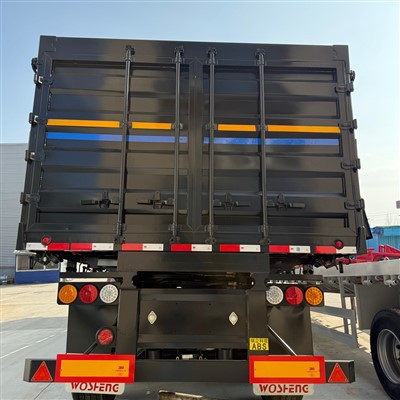
If you have questions about a specific used truck model, or you’re ready to browse our inventory and find a unit that fits your needs, feel free to reach out to us to discuss your requirements and get all the details you need to make a smart purchase.
Crawler Excavator References:
Commercial Truck and Bus Council. Maintenance Best Practices for Used Heavy-Duty Trucks. American Trucking Associations, 2022.
International Organization for Standardization. ISO 15031: Road Vehicles – Communication Between Vehicle and External Equipment, 2020.
Nissan Commercial Vehicles. Used Truck Maintenance Guide, 2021.
Society of Automotive Engineers. Maintenance Scheduling for Pre-Owned Medium-Duty Work Vehicles, 2023.
Shandong Xinyang Special Purpose Vehicle Manufacturing Co., Ltd.
As one of the most professional used truck manufacturers and suppliers in China, we’re featured by quality products and good price. Please rest assured to buy cheap used truck made in China here from our factory. Contact us for more details.
Address: Quanpu Industrial Park, Liangshan County, Jining City, Shandong Province.
E-mail: ensonzhouau@gmail.com
WebSite: https://www.trustmytruck.com/
