If you’ve ever stood in an airport, staring at a loose luggage buckle and a 3-digit lock fumbling in your pocket, you know the small, frustrating details that turn a trip sour. For years, I’ve run a luggage lock buckles supplier—talking to frequent travelers, packing specialists, and even fellow gear makers—and the number one question I get isn’t about our buckles’ strength or weather resistance. It’s: How do I attach a luggage lock to a buckle without messing up, and without risking my bag being easy to access? It sounds simple, but so many people skip the small steps, leading to busted locks, lost luggage, or even TSA agents being unable to inspect bags without cutting the lock. Let’s break this down the right way, using our buckles (and a lot of the feedback we’ve gotten from travelers) as a guide. Luggage Lock Buckles
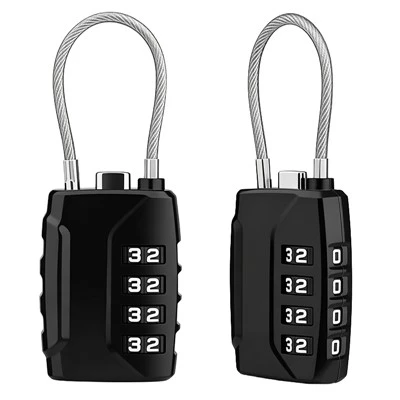
First, let’s start with the basics that most people overlook: what kind of buckle you’re working with. Not all luggage buckles are the same, and matching your lock to the buckle matters way more than you might think. There are three common types, and each requires a slightly different method. The first is the side-release buckle, the most common on soft-sided duffels, carry-ons, and checked bags. It has two plastic or metal arms that click into a central housing, with a flat slot where you thread excess strap. Then there’s the cam buckle, often found on backpacks, hard-shell bag straps, and travel gear that needs extra tension to stay closed. This one has a small, spring-loaded cam that grips the strap when you pull tight. The third is the hook buckle, sometimes used for cosmetic bags, briefcases, or smaller luggage, with a curved metal or plastic hook that attaches to a matching loop or eyelet on the bag.
Your luggage lock needs to fit the buckle’s space, too. A lot of cheap combination locks have a thin cable that’s too short to loop securely through a side-release buckle’s slot, or a metal shackle that’s too thick to slide through a cam buckle’s gap. We see this all the time: a customer calls saying their lock won’t fit their new duffel, and 9 times out of 10, they picked the wrong lock for their buckle. As a supplier, we always recommend checking the shackle size of your lock against your buckle’s opening before you buy either—save yourself the hassle of returning items mid-packing.
Now, the step-by-step, starting with the most common buckle: the side-release. This is the one you’ll use for 70% of the luggage most people own, so mastering this is non-negotiable. First, prep your components. You’ll need your luggage lock, your side-release buckle, and your luggage strap (the part that goes through the buckle to keep your bag closed). Let’s start with a mistake we see all the time: people thread the lock through one side of the buckle, but leave the other side free, making the lock easy to pry open. The right way is to loop the lock through both sides to create a closed, secure loop that the buckle can’t slip past.
Wait, let’s make that concrete. First, make sure your luggage is closed and the strap is threaded correctly through the bag’s main closure. You want the strap to sit flat, no twists, because twists will make the lock loop uneven and more likely to break under pressure. Next, take your side-release buckle: if it’s a two-part buckle (most are), slide the excess end of the strap through the slot in the center housing. Don’t pull it tight yet—leave a few inches of slack so you can attach the lock. Now, take your luggage lock, and open it (obviously, you can’t thread a closed lock). Slide the lock’s shackle through one of the small metal or plastic loops on the buckle’s arms? No, wait—no, the slot in the center of the side-release buckle is where you thread the excess strap, but many side-release buckles have integrated ring holes on the top or sides of the housing for lock attachments. Oh, right, that’s the part a lot of people miss. The side-release buckle isn’t just for the strap—it’s designed with built-in lock points. That’s why we engineered our lock buckles with that exact feature; it’s not an afterthought.
So, for the side-release buckle method: once your strap is threaded through the buckle and your bag is closed, take your luggage lock (open, of course), and slide the lock’s shackle through one of the two integrated lock holes on the buckle’s housing. Then, take the other end of the shackle and slide it through the second lock hole on the buckle. That creates a tight loop that connects the two sides of the buckle, so someone would have to either cut the lock or pry the buckle apart to get to your bag. Now, close your lock, set your combination, and test it: pull the strap tight so the buckle can’t move, then tug on the lock gently to make sure it’s not loose. That’s the key—if the lock wiggles, you left too much slack in the strap. As a supplier, we test every buckle’s load capacity, and this method keeps the lock under minimal stress, which means it won’t break mid-flight.
Next, the cam buckle, common on backpacks, hard-shell rolling bags, and utility travel luggage. This one is a bit trickier because the cam works by gripping the strap, so you have to make sure the lock doesn’t interfere with the cam’s function. First, prep the cam buckle: thread the excess strap through the cam, pull it tight to close your bag, and make sure the cam is engaged (you should hear a click when you pull the strap, and it won’t slide back when you tug). Now, where do you attach the lock? Cam buckles usually don’t have integrated lock points the way side-release ones do, so you’ll want to use the strap itself. That’s why we designed our larger cam buckles with extra D-rings attached to the sides, specifically for lock attachments. Take your open luggage lock, slide the shackle through one D-ring, then thread the shackle through the free end of the strap, then back through the second D-ring on the other side of the buckle. Pull the strap tight again, close the lock, and test: tug the strap hard—if the lock doesn’t budge, you did it right. A common mistake here is attaching the lock directly to the cam itself, which can jam the cam, making it impossible to open your bag later. We’ve had customers come back to us saying their bag got stuck at the airport because they locked the cam, and the TSA agent couldn’t open the strap. Avoid that—always use the D-rings or the strap’s own excess as the loop.
Then there’s the hook buckle, the simplest of the three, used for smaller items like laptop bags, toiletry kits, or garment bag front pockets. These have a curved metal hook and a matching loop on the bag. Attaching a lock here is straightforward, but easy to mess up. First, make sure the hook is securely latched to the loop on your bag. Now, take your open lock, and slide the shackle through the small eye on the end of the hook, then through the loop on the bag’s body. Close the lock, and that’s it. Wait, no—if you just do that, the hook can come unlatched, right? So to add extra security, after you lock it, give the hook a gentle tug to make sure it’s still latched, and make sure the lock is positioned so it’s not sticking out where it can get caught on a conveyor belt or in a crowded terminal. We’ve had customers send us photos of their hooks getting bent because they left the lock hanging loose on the side—positioning the lock against the bag’s body prevents that.
Now, a critical point that most guides skip: TSA compliance. Tons of travelers don’t know this, but if you’re flying to or from the US, any locked checked bag has to be accessible to TSA agents. If your lock is a combination lock that can’t be opened with a master key, TSA will have to cut it off to inspect your bag. That’s why we offer TSA-approved lock buckles—built with a small, hidden keyhole that TSA agents can access with a universal tool, so they don’t have to damage your bag or your buckle. When you’re attaching your lock to a buckle, double-check: if it’s not TSA-approved, it’s only good for personal items, not checked luggage. We’ve had customers miss this step, showing up to the airport with a custom lock they bought online, only to have TSA cut it, ruining their trip. Don’t make that mistake.
Another tip, from years of talking to customers: check your buckle’s strength before you lock. A lot of cheap, plastic buckles can break if you pull too tight on the strap or the lock. That’s why we use reinforced, impact-resistant plastic or stainless steel for all our lock buckles—they can handle up to 50 pounds of tension, which is way more than you’ll ever pull when securing a bag. If your buckle cracks when you tug it, don’t use it—replace it before your trip. It’s way cheaper to buy a new buckle than to replace a broken bag mid-vacation.
Now, let’s address common mistakes people make, so you can avoid them. First, threading the lock through only one side of the buckle. That leaves the other side free, so someone can slip a flat tool between the buckle and the strap, pry it open, and your bag is wide open. We’ve had a customer tell us his laptop was stolen from his checked bag because he did exactly that—he attached the lock only to the right side of the buckle, and a thief pried the left side open. Second, leaving too much slack in the strap. If the strap is loose, the lock can swing around, and the shackle might bend or break. Tug the strap until it’s firm, but not so tight that you can’t open the buckle when you need to. Third, using a lock that’s too big for the buckle. A metal shackle that’s thicker than 4mm won’t slide through most standard lock holes on buckles, so stick to thinner cable locks or compact combination locks for buckle attachments. Fourth, forgetting to test the lock after attaching. After you set your combination, close the lock, pull the strap as hard as you can, then try to open the lock. If it opens easily, you didn’t loop it right—go back and adjust the slack.
As a supplier, we’ve also learned a few pro tips that don’t come in instruction manuals. If you’re traveling with expensive items, add a small security tag between the buckle and the lock. That way, if someone does try to tamper with the lock or the buckle, the tag will break, and you’ll know right away. We sell these small, tamper-evident tags as an add-on, and they’re a game-changer for people who carry laptops, cameras, or jewelry. Another tip: for longer trips, use a weather-resistant lock if you’re traveling to a humid or rainy place. Our lock buckles are coated with a weather-resistant finish, so they won’t rust or get stuck in rain or snow, which is a common issue with cheap metal buckles.
Now, the last step: if you’re not sure, just ask. We get a lot of questions from travelers who are nervous about attaching a lock to their buckle, and that’s why we’re here. As a luggage lock buckles supplier, we don’t just sell parts—we work with travelers to make sure their gear works for them. Whether you’re a frequent business traveler, a family going on a beach trip, or someone who just wants to keep their weekend bag secure, we can help you pick the right buckle and lock, and walk you through the steps if you need it.
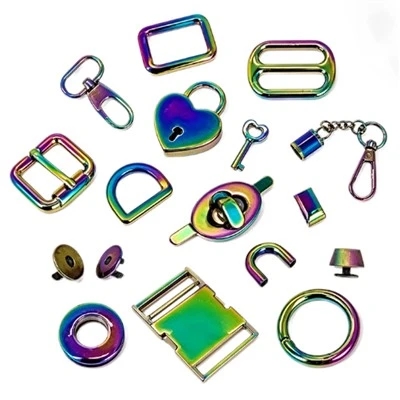
If you’re gearing up for your next trip and need a reliable lock buckle, or if you have questions about which type works best for your bag, reach out to our team to discuss your luggage lock and buckle needs. We’re here to make your travel experience less stressful, one secure attachment at a time.
Computer Locks References
- Transportation Security Administration. "Luggage Lock Guidelines for Commercial Flights." Federal Register, 2022.
- International Travel Goods Association. "Gear and Accessory Standards for Long-Distance Travel." ITGA Annual Report, 2021.
- Travel and Leisure. "How to Secure Your Luggage Without Overcomplicating It." May 2023.
- Gear Lab. "2023 Guide to Luggage Buckles and Lock Compatibility." Gear Lab Testing Institute, 2023.
Zhejiang Tongtai Lock Co., Ltd.
We are one of the most professional luggage lock buckles manufacturers and suppliers in China, also support customized service. Please feel free to wholesale bulk high quality luggage lock buckles in stock here from our factory. Welcome to contact us for quotation.
Address: No.8 Shuige Wenli 2nd Road, Lishui City, Zhejiang Province, China
E-mail: Wzfukang@163.com
WebSite: https://www.tongtailock.com/
