Hey there! As a supplier of rubber – metal composite valve cores, I often get asked, "What is the aging resistance of a rubber – metal composite valve core?" Well, buckle up, ’cause I’m gonna break it down for you. Rubber-metal Composite Valve Core
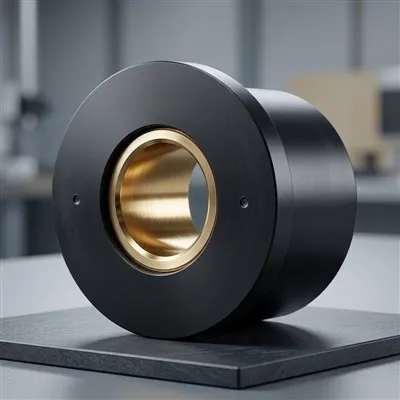
First off, let’s understand what a rubber – metal composite valve core is. It’s a nifty little device made by combining rubber and metal components. The rubber part usually provides a flexible seal, preventing leaks and ensuring a tight fit, while the metal portion adds strength and stability. Think of it like a dynamic duo in the world of valves!
Now, to the main question: aging resistance. Aging in the context of valve cores is all about how well they can withstand the test of time and environmental factors. You see, over time, valve cores are exposed to all sorts of things that can wear them down. Temperature changes, humidity, and chemical exposure are just a few of the culprits.
Let’s start with temperature. Rubber is a sensitive material when it comes to heat and cold. In high – temperature environments, rubber can start to lose its elasticity. It might become brittle and crack, which is a big no – no for a valve core. If the rubber cracks, it won’t be able to create that perfect seal anymore, and you’ll end up with leaks. On the flip side, in extremely cold temperatures, rubber can harden. A hardened rubber valve core won’t be able to flex and adapt, again leading to potential sealing issues.
But here’s where our rubber – metal composite valve cores shine. The metal in the composite acts as a sort of backbone. It helps to maintain the shape of the valve core even when the rubber is facing temperature – related stress. For example, our metal parts are made from high – quality alloys that have high thermal stability. This means they can handle a wide range of temperatures without warping or losing their strength, providing support to the rubber and keeping the valve core in good working order.
Humidity is another factor that can affect the aging of valve cores. Moisture in the air can cause corrosion, especially on the metal parts. Rust can weaken the metal structure and eventually cause it to break down. And if the metal breaks, the whole valve core is at risk. Our rubber – metal composite valve cores are designed to combat this. We use special coatings on the metal components to prevent corrosion. These coatings act as a barrier between the metal and the moisture in the air, keeping rust at bay.
The rubber in our valve cores is also formulated to be resistant to moisture. It’s treated with additives that make it less likely to absorb water. When rubber absorbs water, it can swell and lose its shape, which messes up the seal. But with our moisture – resistant rubber, this isn’t a problem.
Chemical exposure is yet another challenge for valve cores. They can come into contact with all sorts of chemicals, whether it’s in industrial settings or in everyday applications. Some chemicals can react with the rubber and break down its molecular structure. This can lead to a loss of elasticity and strength. Our valve cores are made with rubber compounds that are specifically engineered to resist a wide range of chemicals. We’ve tested them against common industrial solvents, acids, and bases, and they’ve held up well.
So, how do we measure the aging resistance of our rubber – metal composite valve cores? We use a combination of laboratory tests and real – world applications. In the lab, we subject the valve cores to accelerated aging conditions. We simulate high temperatures, high humidity, and chemical exposure over a short period of time. This allows us to see how the valve cores will perform over a much longer period in the real world.
In real – world applications, we work closely with our customers to gather feedback. We install our valve cores in various industries, such as automotive, aerospace, and manufacturing. By monitoring how they perform over time, we can make any necessary adjustments to improve their aging resistance.
One of the key advantages of our rubber – metal composite valve cores is their long service life. Thanks to their excellent aging resistance, they can last for a really long time without needing to be replaced. This means cost savings for our customers in the long run. They don’t have to keep buying new valve cores every few months, which can be a real pain in the pocket.
Another benefit is reliability. When you have a valve core that can resist aging, you can count on it to do its job. Whether it’s sealing a fuel line in a car or controlling the flow of chemicals in a factory, our valve cores will perform consistently. This reliability is crucial for ensuring the smooth operation of any system.
Now, I know you might be thinking, "Sounds great, but how do I get my hands on these awesome valve cores?" Well, that’s easy! We’re always looking to work with new customers. If you’re in the market for high – quality rubber – metal composite valve cores with excellent aging resistance, don’t hesitate to reach out. We can provide you with samples to test in your applications and work with you to find the perfect solution for your needs.

In conclusion, the aging resistance of a rubber – metal composite valve core is all about its ability to withstand temperature changes, humidity, and chemical exposure over time. Our valve cores are designed and engineered to excel in these areas, offering long service life and reliability. So, if you’re looking for a top – notch valve core solution, give us a shout. Let’s start a conversation and see how we can help you with your valve core needs.
Rubber-metal Composite Valve Core References:
- ASTM International standards on rubber and metal testing
- Industry reports on valve core performance and aging
- In – house research and development data on rubber – metal composite materials
Tianjin TGE BIAM Graphene Technology Co., Ltd.
Tianjin TGE BIAM Graphene Technology Co., Ltd. is one of the most professional rubber-metal composite valve core manufacturers and suppliers in China, also supports customized service. Please feel free to buy bulk advanced rubber-metal composite valve core in stock here from our factory. For quotation, contact us now.
Address: No. 24 Sanjing Road, Dongli Development Zone, Tianjin City, China.
E-mail: sales@tge-tj.com
WebSite: https://www.tge-valve.com/
