Installing an EDI (Electrodeionization) pure water system is a complex yet rewarding process that can significantly enhance the quality of water in various industrial, medical, and laboratory settings. As a supplier of EDI pure water systems, I’ve had the privilege of guiding numerous clients through the installation process. In this blog, I’ll share a comprehensive guide on how to install an EDI pure water system, ensuring that you can achieve optimal performance and longevity from your investment. EDI Pure Water System

Pre – installation Preparation
Before you start the actual installation, it’s crucial to conduct thorough pre – installation preparations. This step is often overlooked but can save you a great deal of time and effort in the long run.
Site Assessment
The first thing you need to do is assess the installation site. The location should be well – ventilated, as the EDI system generates heat during operation. A poorly ventilated area can lead to overheating and reduced system efficiency. The site should also be level, as an uneven surface can cause stress on the system’s components and potentially lead to leaks.
In terms of size, measure the available space carefully. The EDI system has specific dimensional requirements, and you need to ensure that there is enough clearance around the unit for maintenance and servicing. Additionally, check for the availability of utilities such as water supply, drainage, and power. The water supply should be of appropriate quality, typically pre – treated to remove large particles, chlorine, and other contaminants.
Review of System Documents
Thoroughly review all the system documents provided with your EDI pure water system. This includes the installation manual, operation and maintenance guide, and electrical and plumbing schematics. Understanding these documents will give you a clear picture of the system’s components, installation requirements, and safety precautions.
Make a checklist of all the components included in the system. Ensure that everything is present and undamaged. If there are any missing or damaged parts, contact the supplier immediately to arrange for replacements.
Safety Precautions
Safety should always be your top priority during the installation process. Wear appropriate personal protective equipment (PPE), such as safety glasses, gloves, and steel – toed boots. Make sure that the power supply to the installation area is turned off before starting any electrical work. If you’re not experienced in electrical or plumbing installations, it’s advisable to hire a professional technician.
Installation Steps
Plumbing Installation
The plumbing installation is a critical part of setting up an EDI pure water system. Start by connecting the inlet and outlet pipes according to the plumbing schematic. Use high – quality pipes and fittings that are compatible with the system and the water quality requirements.
When connecting the pipes, ensure that all joints are properly sealed to prevent leaks. You can use pipe sealant or Teflon tape to create a tight seal. It’s also important to install shut – off valves at appropriate locations to allow for maintenance and system isolation.
The drainage system for the EDI system should be properly designed. The waste water from the system contains concentrated contaminants, so it needs to be disposed of in accordance with local environmental regulations. Make sure that the drainage pipe is of sufficient size and slope to ensure proper flow.
Electrical Installation
Electrical installation must be done carefully to avoid electrical hazards. Follow the electrical schematic provided in the system documentation. Connect the system to a stable power supply with the correct voltage and frequency.
Install appropriate electrical protection devices, such as circuit breakers and surge protectors. These devices will safeguard the system from electrical overloads and voltage fluctuations. Before turning on the power, double – check all the electrical connections to ensure that they are secure and properly insulated.
Component Installation
Install the various components of the EDI system, such as the EDI stack, pumps, and control panels. The EDI stack is the core component of the system, responsible for the electrodeionization process. It should be installed in a clean and dry environment, away from any sources of contamination.
Pumps are used to circulate water through the system. Make sure that the pumps are properly aligned and connected to the pipes. The control panel is used to monitor and control the operation of the system. It should be installed in an easily accessible location where operators can easily view the system status and make adjustments.
System Commissioning
After the installation is complete, it’s time to commission the EDI pure water system. This involves a series of steps to ensure that the system is operating correctly and producing high – quality pure water.
Flushing
Before starting the electrodeionization process, flush the system with clean water to remove any debris or contaminants that may have been introduced during the installation. Open all the valves and let the water flow through the system for a sufficient period of time. Monitor the water quality during the flushing process to ensure that it meets the required standards.
Initial Startup
Once the system has been flushed, start the EDI system according to the startup procedure outlined in the operation manual. Gradually increase the water flow rate and power supply to the system. Monitor the system parameters, such as water pressure, temperature, and conductivity.
During the initial startup, it’s normal for the water quality to fluctuate. This is because the system needs some time to reach a stable operating condition. Continuously monitor the water quality and make adjustments to the system settings as necessary.
Quality Testing
After the system has been running for a while, conduct quality testing on the produced pure water. Use appropriate water quality testing equipment, such as conductivity meters and total organic carbon (TOC) analyzers. Compare the test results with the specified water quality standards to ensure that the system is producing water of the desired quality.
If the water quality does not meet the standards, troubleshoot the system to identify the problem. Common issues may include incorrect system settings, clogged filters, or malfunctioning components. Make the necessary adjustments or repairs to improve the water quality.
Ongoing Maintenance
To ensure the long – term performance and reliability of your EDI pure water system, regular maintenance is essential.
Filter Replacement
The pre – filters in the system play a crucial role in protecting the EDI stack from large particles and contaminants. Replace the pre – filters at regular intervals as recommended by the manufacturer. This will prevent clogging and ensure that the system continues to operate efficiently.
Electrode Inspection
Inspect the electrodes in the EDI stack periodically. Over time, the electrodes can become fouled or degraded, which can affect the performance of the system. If necessary, clean or replace the electrodes according to the maintenance procedure.
System Monitoring
Continuously monitor the system parameters, such as water quality, flow rate, and pressure. Keep a record of the system performance over time. This will help you detect any potential issues early and take appropriate action.
Conclusion
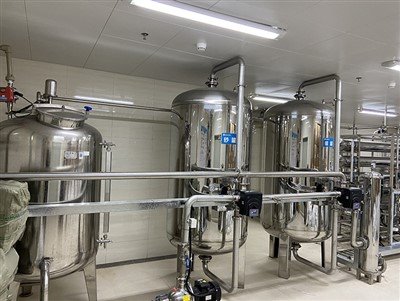
Installing an EDI pure water system requires careful planning, preparation, and execution. By following the steps outlined in this guide, you can ensure a successful installation and achieve optimal performance from your system. As a supplier of EDI pure water systems, I’m committed to providing you with the highest – quality products and comprehensive technical support.
Ultrasonic Parts Washer If you’re considering purchasing an EDI pure water system or need assistance with installation and maintenance, I encourage you to contact us. Our team of experts is ready to answer your questions and guide you through the process. We can work with you to select the right system for your specific needs and ensure that it is installed and commissioned correctly.
References
- "Electrodeionization: Principles and Applications" by a well – known water treatment research group.
- Manufacturer’s installation and operation manuals for EDI pure water systems.
- Industry standards and guidelines for water treatment and installation of EDI systems.
Shenzhen Jkon Environmental Protection Technology Co., Ltd.
As one of the most professional edi pure water system manufacturers and suppliers in China, we’re featured by quality products and good service. Please rest assured to buy customized edi pure water system made in China here from our factory. Contact us for more details.
Address: Shanghenglang Industrial park, Daloang Street, Longhua District, Shenzhen, China
E-mail: sales@jkontech.com
WebSite: https://www.jkontech.com/
