As a supplier of roller square linear guides, I’ve witnessed the pivotal role these components play in various industrial applications. The smooth operation of roller square linear guides is crucial for ensuring high precision, efficiency, and longevity in machinery. In this blog, I’ll share insights on how to enhance the running smoothness of these essential guides, based on my years of experience in the industry. Roller Square Linear Guide

Understanding the Basics of Roller Square Linear Guides
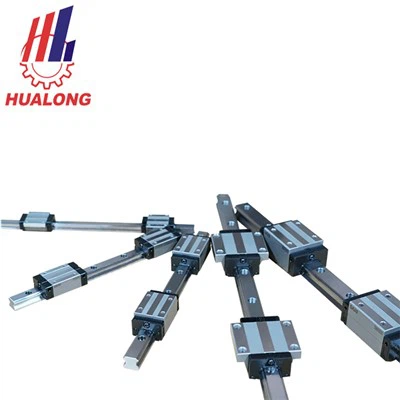
Before delving into the methods to improve smoothness, it’s important to understand the basic structure and working principle of roller square linear guides. These guides consist of a rail and a slider. The rails are usually made of high – strength steel and are precisely machined to have a smooth surface. The sliders are equipped with rollers that move along the raceways of the rail. The rollers are designed to distribute the load evenly and reduce friction, allowing for smooth linear motion.
One of the key factors affecting the smoothness of a roller square linear guide is the quality of its components. High – precision machining of the rail and the slider is essential. Any surface irregularities, such as scratches or roughness, can cause uneven rolling of the rollers, leading to jerky motion. Additionally, the quality and material of the rollers themselves are critical. High – quality rollers made from the right material can withstand heavier loads and maintain better contact with the raceways, resulting in smoother operation.
Proper Installation
The installation process is a critical step in ensuring the smooth running of roller square linear guides. Incorrect installation can lead to misalignment, which is one of the most common causes of poor performance. Here are some installation tips:
- Surface Preparation: The mounting surface for the rail and the slider must be clean, flat, and free of debris. Any dirt or unevenness on the surface can cause the guide to be misaligned. Use a precision level to ensure that the surface is perfectly horizontal or vertical, depending on the application.
- Alignment: Precise alignment of the rail and the slider is crucial. Use alignment tools such as laser alignment devices to ensure that the rail is installed straight and parallel to the intended direction of motion. Misalignment can cause excessive wear on the rollers and the raceways, reducing the smoothness of the guide and shortening its lifespan.
- Fastening: When fastening the rail and the slider, use the correct torque values as specified by the manufacturer. Over – tightening can cause deformation of the rail or the slider, while under – tightening can lead to loose connections and unstable operation. Use a torque wrench to ensure consistent and accurate fastening.
Lubrication
Lubrication is another important factor in improving the running smoothness of roller square linear guides. Proper lubrication reduces friction between the rollers and the raceways, minimizes wear and tear, and helps to dissipate heat generated during operation.
- Choosing the Right Lubricant: Select a lubricant that is suitable for the specific application and operating conditions of the guide. Factors to consider include temperature range, load capacity, and the presence of contaminants. For example, in high – speed applications, a lubricant with low viscosity is often preferred to reduce drag, while in high – load applications, a lubricant with high – pressure resistance may be necessary.
- Lubrication Frequency: The frequency of lubrication depends on the operating conditions of the guide. In general, more frequent lubrication is required for guides operating under heavy loads, high speeds, or in dirty environments. However, over – lubrication can also cause problems, such as attracting dust and debris, so it’s important to follow the manufacturer’s recommendations.
- Lubrication Method: There are several methods of lubricating roller square linear guides, including manual lubrication, oil – bath lubrication, and automatic lubrication systems. Automatic lubrication systems are often the most reliable and efficient, as they can provide a consistent supply of lubricant at the right intervals.
Load Management
Proper load management is essential for maintaining the smooth running of roller square linear guides. Overloading can cause excessive stress on the rollers and the raceways, leading to premature wear, reduced smoothness, and even failure of the guide.
- Understanding Load Capacity: Before using a roller square linear guide, it’s important to understand its load capacity. The load capacity is determined by factors such as the size of the guide, the number and arrangement of the rollers, and the material properties. Refer to the manufacturer’s specifications to ensure that the guide is suitable for the intended load.
- Distributing the Load Evenly: When designing a system that uses roller square linear guides, it’s important to distribute the load evenly across the guide. Uneven loading can cause some rollers to bear more weight than others, leading to uneven wear and reduced smoothness. Use proper mounting and support structures to ensure even load distribution.
- Dynamic Load Considerations: In addition to static loads, dynamic loads such as acceleration, deceleration, and vibration also need to be considered. These dynamic loads can have a significant impact on the performance of the guide. Proper design and engineering can help to minimize the effects of dynamic loads, such as using shock – absorbing materials or optimizing the motion control system.
Maintenance and Inspection
Regular maintenance and inspection are key to ensuring the long – term smooth running of roller square linear guides. By identifying and addressing potential problems early, you can prevent more serious issues from occurring.
- Visual Inspection: Conduct regular visual inspections of the guide to check for signs of wear, damage, or contamination. Look for scratches, dents, or unusual wear patterns on the rail and the slider. Check for any loose or damaged components, such as fasteners or seals.
- Cleaning: Keep the guide clean to prevent the accumulation of dust, dirt, and other contaminants. Use a clean, dry cloth to wipe the surface of the guide regularly. In dirty environments, it may be necessary to use a mild cleaning agent to remove stubborn contaminants.
- Replacing Worn Components: If any components of the guide are worn beyond the acceptable limit, they should be replaced immediately. This includes the rollers, the raceways, and any seals or gaskets. Using worn components can lead to poor performance and increased risk of failure.
Environmental Considerations
The environment in which the roller square linear guide operates can also have a significant impact on its running smoothness.
- Temperature: Extreme temperatures can affect the performance of the guide. In high – temperature environments, the lubricant may degrade more quickly, and the materials of the guide may expand or deform. In low – temperature environments, the lubricant may become too viscous, causing increased friction. It’s important to select a guide and lubricant that are suitable for the temperature range of the application.
- Humidity and Moisture: High humidity and moisture can cause corrosion of the guide components, especially if they are made of metal. To prevent corrosion, use protective coatings or seals on the guide, and ensure proper ventilation in the operating environment.
- Dust and Debris: Dust and debris can enter the guide and cause abrasion and wear on the rollers and the raceways. To protect the guide from dust and debris, use sealing devices such as wipers or bellows.
Ball Square Linear Guide In conclusion, improving the running smoothness of a roller square linear guide requires a comprehensive approach that includes proper installation, lubrication, load management, maintenance, and consideration of the operating environment. As a supplier of roller square linear guides, we are committed to providing high – quality products and expert advice to help our customers achieve optimal performance in their applications. If you are interested in our roller square linear guides or need further assistance in improving the smoothness of your linear motion systems, we welcome you to contact us for procurement and in – depth discussions. We look forward to working with you to enhance the efficiency and reliability of your machinery.
References
- "Linear Guideways: Design, Selection, and Application" – A comprehensive guidebook on linear guide technology, covering the principles of operation, design considerations, and application examples.
- Industry standards and specifications published by relevant organizations such as ISO and ANSI, which provide guidelines on the quality and performance requirements of roller square linear guides.
- Manufacturer’s catalogs and technical documents, which offer detailed information on the features, specifications, and installation instructions of specific roller square linear guide products.
Fujian Province Hualong Machinery Co., Ltd.
As one of the leading roller square linear guide manufacturers and suppliers in China, our products have good reputation in the market. Please rest assured to wholesale bulk roller square linear guide made in China here from our factory. Welcome to view our website for more information.
Address: Huangshi Industrial Park, Putian city, Fujian Province, China
E-mail: jenkin@hualongm.com
WebSite: https://www.guidelinear.com/
