Hey there, let’s cut to the chase—if you’ve ever shopped for toys (whether they’re for babies, pets, or even those fun fidget ones for adults), you’ve definitely spotted silicone and plastic options. You might’ve even wondered which is actually better, right? As someone who’s been a silicone toys supplier for over 7 years, I get the questions nonstop. I’m not here to feed you corporate jargon—let’s break this down like I’m chatting with you over coffee, no fancy textbook stuff. Silicone Toys
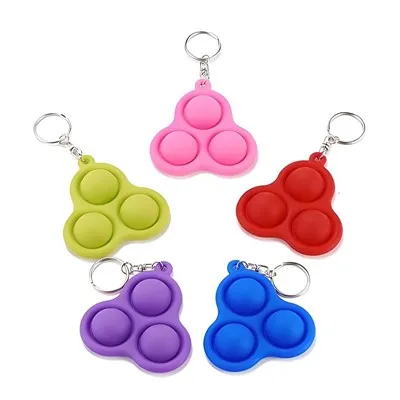
First off, let’s start with the basics: what even are these two materials, really? Plastic is that super common, man-made polymer you probably interact with 100 times a day—think water bottles, grocery bags, old toy action figures from the 90s. Most plastic is derived from petroleum, which makes it cheap to mass produce, but also has some downsides that you might’ve heard whispers about lately. Silicone? It’s a hybrid material—made from silicon (yes, the stuff in sand), oxygen, hydrogen, and carbon. It’s not petroleum-based, though it is processed industrially, and it’s been around for decades, mostly used in medical stuff like tubing or oven mitts before it blew up for toys.
Now, the big difference that actually matters to most people: safety. Let’s be real, that’s the first thing anyone cares about when buying toys—especially if it’s for a baby who puts everything in their mouth, or a dog that chews through tough toys like they’re nothing. Plastic has had some major controversies here. A lot of cheaper plastics use additives like phthalates, BPA, and PVC. Those additives make plastic flexible, but some studies have linked long-term exposure to hormonal disruptions, especially in young kids and pets. Now, not all plastics are bad—there are BPA-free, phthalate-free plastics, right? But here’s the thing: it’s really easy for manufacturers to cut corners with low-quality plastic, because it’s so cheap. You can spot bad plastic toys a mile away—they smell weird, that chemical “new toy” stench that lingers for weeks, and sometimes they feel grainy or break into tiny shards if you squeeze too hard.
Silicone, on the other hand? It’s inert. That means it doesn’t leach chemicals, no matter what—no matter if you leave it in hot water, freeze it, or a teething baby chews on it nonstop. It’s also heat-resistant, so you can even boil silicone toys to sanitize them, which is a huge win for parents. I’ve had customers tell me they switched from plastic baby teething toys because their kid had a rash, and the pediatrician said it might be from the chemical leaching. With silicone, that risk is almost zero. And yeah, high-quality silicone can have a subtle, mild scent when it’s new, but it’s not that chemical smell—usually just a faint, earthy odor that fades in a day or two. No weird residue left behind.
Next up, durability and functionality. Let’s test this with a quick experiment: take a plastic toy and a silicone toy, squeeze them both. The plastic will probably creak or crack if you squeeze hard enough, right? Especially thin plastic—like those cheap plastic bath toys that split after a week of being chewed. Silicone is way more stretchy and flexible, but it’s also tear-resistant. I have a customer who makes pet toys, and they told me their silicone chew toys last 3x longer than the plastic ones they used to carry. For kids, silicone building blocks don’t chip like plastic ones do, and they’re easier for small hands to grip because they’re soft, not hard and slippery. Also, silicone doesn’t get sticky or greasy over time like some plastics do—think about that old plastic food storage container that’s sticky even after washing. Silicone stays smooth, even with regular use.
Wait, but what about the downsides? I’m not gonna sit here and say silicone is perfect, because it’s not. Plastic is way cheaper to manufacture, so a basic plastic teether might cost $2, while a similar silicone one is $5. That’s a big difference for budget shoppers. Also, plastic comes in a way wider range of rigid shapes and textures—you can’t really make a hard, sharp-edged toy out of silicone, right? Because silicone is flexible, so if you want a toy that’s super firm, plastic is the way to go there. Oh, and plastic is more transparent sometimes—like those clear Lego bricks, you can’t get clear silicone that same way. So it’s not that one is always better, it’s just that they’re built for different uses.
Let’s talk about how each material handles different environments, too. If you’re using a toy for the pool or bath, silicone doesn’t absorb water, so it won’t get moldy or grow bacteria in tiny crevices. Plastic, especially porous cheap plastic, can trap water, which leads to mold over time. For outdoor toys, silicone holds up to sunlight better than some plastics—cheap plastic can fade or become brittle after a summer of being left in the sun, but silicone stays flexible and colored for longer. I’ve had outdoor silicone balls for dogs that are 2 years old, still looking bright, while the plastic ones I used before cracked and turned yellow within 6 months.
Now, let’s clear up a common myth: people think all silicone is food-grade, and all plastic is not. That’s totally false. There are food-grade plastics, like the ones used in Tupperware, and there’s silicone that’s not food-grade—used for things like industrial seals. So when you’re shopping, you can’t just look for the material; you have to check the certifications. For toys, look for things like ASTM F963 (US toy safety standard) or EN71 (European toy safety standard). But here’s the thing: almost all high-quality silicone toys for consumers are food-grade, because that’s the easiest way to make safe toys that go in mouths. With plastic, you have to make sure it’s not just “BPA-free” but also free of phthalates and other additives, because some “BPA-free” plastics still use other harmful chemicals. As a silicone supplier, we only use medical-grade or food-grade silicone for all our toys, because that’s non-negotiable for us—we’d never cut corners on safety.
Another point: environmental impact. This is a tricky one, because no material is perfect. Plastic is super recyclable, but only if it’s the right type, and most plastic isn’t recycled—it ends up in landfills or oceans, taking hundreds of years to break down. Silicone is more durable, so it lasts longer, which means less waste from broken toys. When it does eventually wear out, silicone is recyclable too, though it’s not as widely recycled as plastic yet. But wait—cheaper silicone toys might be made from lower-grade silicone that’s not as durable, so they might break just as fast as plastic, which negates that benefit. So again, it comes down to quality, not just the material.
Let me give you a real example from my business. A few months ago, a local daycare contacted me because they were having issues with their plastic toy bins—every month, they’d have to throw away cracked, moldy toys that their kids had chewed on. They tried some cheap silicone toys, but the ones they got from another supplier were low-grade, tore easily, and the color faded after a month. We sent them our bulk silicone playset, and 6 months later, they reached out saying they haven’t had to replace a single toy from that set. The teachers love that they can boil them to sanitize, and the kids don’t have any reactions to them. That’s the kind of thing that makes being a silicone supplier worth it—seeing the difference our products make.
Now, who should choose which? If you’re on a super tight budget, and you’re buying a toy that’s just for occasional play, not for chewing or constant mouth contact, plastic might work. But if it’s a teething toy for a baby, a chew toy for a pet, a toy that gets used daily, or something that needs to be sanitized often, silicone is the way to go. It’s safer, more durable, and easier to maintain, even if it costs a little more upfront.
Wait, but let’s be fair—some people just prefer the feel of plastic. There’s something about that rigid, solid feel of a plastic action figure that a soft silicone one just can’t replicate. That’s totally fine! It’s all about what works for your needs. The key is just to be informed—don’t just buy whatever’s cheapest, check if the toy is certified safe, and understand the pros and cons of each material.
As someone who’s been in this industry for years, I’ve seen a lot of trends come and go. Right now, silicone is blowing up because people are finally prioritizing safety and durability over cheap prices. But that doesn’t mean plastic is dead—there’s still a place for it. The biggest mistake people make is assuming all toys made of one material are better than the other. It’s not about being a silicone snob or a plastic hater; it’s about making an educated choice for yourself, your kids, or your pets.
If you’re in the market for new toys, whether you’re restocking your daycare, shopping for baby gifts, or looking for tough pet toys, I’d love to chat. We carry a range of high-quality, FDA-grade silicone toys for all uses—teethers, building blocks, pet chew toys, bath toys, you name it. No weird chemicals, no cheap materials, just products that last. Whether you have questions about a specific item, want bulk pricing, or just want to know more about how silicone compares to plastic for your needs, hit me up. I’m not here to push you into buying something you don’t need, I’m here to help you make the best choice.
Before I wrap this up, let’s quickly recap the key differences so you don’t have to re-read this whole thing:
- Safety: Silicone is inert, no leaching; plastic can have harmful additives unless it’s high-quality and certified.
- Durability: Silicone is tear-resistant, doesn’t crack or fade as easily; cheap plastic breaks fast, high-quality plastic is still less flexible.
- Maintenance: Silicone is easy to sanitize (boil, dishwasher-safe), doesn’t trap mold; plastic can hold water and mold.
- Cost: Plastic is cheaper upfront, silicone is a bit pricier but lasts longer (so better value long-term).
- Function: Plastic is better for rigid, hard shapes; silicone is great for soft, stretchy, mouth-safe toys.
There you go—no fancy terms, no confusing charts, just real talk from someone who actually works with these materials every single day. If you have more questions, or you’re ready to check out our silicone toy options, reach out to chat about your needs. We’re here to help, not just make a sale.
Silicone Household Items References:
- U.S. Consumer Product Safety Commission. (2022). Toy Safety Standards: Chemical Requirements for Children’s Products.
- American Academy of Pediatrics. (2021). Safety Considerations for Infant Teething Toys.
- International Organization for Standardization. (2020). ISO 10993: Biological Evaluation of Medical Devices – Part 1: Evaluation and Testing Within a Risk Management Process.
- The Silicone Association. (2023). Silicone Materials for Consumer Products: Properties and Applications.
- Environmental Protection Agency. (2022). Plastics and the Environment: Advancing Sustainable Materials Management.
Dongguan Hengyue New Material Technology Co., Ltd.
As one of the most professional silicone toys manufacturers and suppliers in China, we also support customized service. We warmly welcome you to wholesale bulk cheap silicone toys from our factory. If you have any enquiry about quotation and free sample, please feel free to email us.
Address: Building 2, No. 3, Yindou Third Road, Qingxi Town, Dongguan City, Guangdong Province
E-mail: dghengyue@126.com
WebSite: https://www.hengyuesilicone.com/
