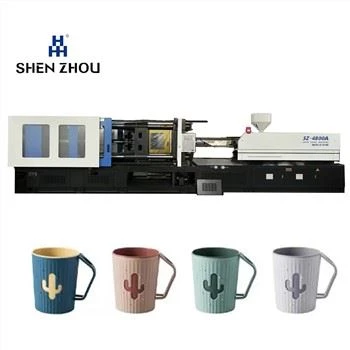
Hey there, it’s Jake, and I’ve been deep in the weeds with plastic bucket crate injection molding machines for over a decade now. I talk to molder operators, plant managers, and line supervisors every single day, and one question keeps popping up that I swear doesn’t get half the attention it deserves: ambient humidity. Everyone obsesses over melt temperature, clamp pressure, cycle time—all the obvious stuff—but humidity sitting in the air around your machine? That’s a quiet troublemaker (or sometimes a secret helper) that can make or break crate quality, run times, and even your bottom line. I see it all the time: a molder will blame a bad batch of crates on bad resin or a wonky machine part, when really it’s just a humid summer afternoon or a dry winter day throwing their whole process off. Today we’re breaking down exactly how humidity impacts these machines, what you can do about it, and why it’s something you should be checking on your next shift. Plastic Bucket Crate Injection Molding Machine
First, let’s keep this real—plastic bucket crates are tough workhorses, right? They need to stack 10 high, hold 20 liters of soda or 5-gallon buckets, and survive a 1000-mile truck ride. If the plastic in the crate has even a tiny defect, it can crack during stacking, leak on the line, or get rejected by the client. Most of these crates are made from high-density polyethylene (HDPE) or polypropylene (PP)—two resins that are pretty durable, but super sensitive to moisture in the air before they even hit the hopper. Here’s the first big thing: not all humidity is equal, and different resin types react differently. PP is a bit more forgiving, but HDPE? That’s where the drying game gets tight. A lot of operators skip pre-drying HDPE because they think it doesn’t absorb much water, but ambient humidity messes with that hard. If your plant’s humidity is above 60% RH (relative humidity), even “dry” resin that’s been sitting in the hopper overnight can pick up trace moisture—like, less than 0.1% by weight, but that’s enough to cause issues.
Let’s talk about the injection molding machine’s process step by step, because humidity hits at every stage. First up: the hopper. The resin pellets sit in a hopper dryer, right? If the ambient air coming into the dryer is humid, the dryer can’t keep up with its job. Most portable hopper dryers are sized for indoor air at 40-50% RH, so if your plant’s HVAC is broken in July and you’re at 70% RH, that dryer is pushing humid air straight into the hopper, and the pellets never actually get dry. That moisture then goes into the barrel, where it’s heated up to melt—around 180-260°C for PP/HDPE. When that moisture turns to steam inside the melt, it creates tiny bubbles called “splay marks” on the crate’s surface. Splay is that weird silvery, feathery pattern you see on cheap plastic parts—if you’ve ever had a load of crates get rejected because they looked “foggy” instead of clean, that’s almost always from moisture in the resin, and humidity is the #1 culprit when you haven’t changed your drying setup.
Next, when the melt is injected into the crate mold, humidity in the mold cavity? Wait, the mold is cooled, so if the air inside the cavity is humid, that can condense into water on the cold mold walls. That’s a double whammy: first, the water messes with the mold’s surface finish, so the crate’s inner edges or the logos come out blurry. Second, that condensation acts like a barrier between the melt and the mold, slowing down cooling time. If your cycle time goes up by even 2 or 3 seconds per crate, that’s a huge hit when you’re running 24/7. Let’s do the math: a line running 1000 crates an hour, 20 hours a day, that’s 20,000 crates. 2 extra seconds each is 11 extra hours of run time a day—meaning you’re using more electricity, more machine wear, and you might not hit your production quotas. I’ve seen plants miss their monthly delivery targets by 10% just because their AC went out for a week and humidity spiked.
But here’s the thing—humidity isn’t always the bad guy. I’ve had operators come to me saying their crates are cracking during demolding, and we trace it back to too-dry air in winter. When humidity drops below 30% RH, the plastic melt cools way too fast. HDPE and PP get brittle when they cool too quickly, so the crate’s corners and edge snaps break right when the ejector pins push them out of the mold. Demolding defects are a nightmare because they’re not just scrap parts—they can damage the mold, which costs thousands in repairs. Last year a client in the Great Lakes called me in a panic because every 10th crate was breaking during demolding, and it was -12°C outside, so their plant’s air was super dry from heating. We cranked up the humidifiers to get to 45% RH, and the problem was gone in 2 days. That’s when you realize humidity is a balancing act, not just a number to ignore.
Now, let’s get into machine-specific stuff, not just resin stuff. I see a lot of crate machines that don’t have proper sealing around the hopper, right? If the plant’s ambient air is humid, especially during material changeovers where you open the hopper, moist air gets trapped inside, and the next batch of resin gets contaminated. Also, the screw and barrel on injection molding machines—when humidity is high, condensation can form on the screw when it’s not running, especially if you have a long downtime between runs. When you start the machine back up, that condensed water gets pulled into the melt, adding even more bubbles and splay. I always tell my clients to cover the hopper with a tight lid when not in use, even for an hour, because even that short window in humid air can cause issues.
What about long-term machine wear? Wait, high humidity can also impact parts that aren’t plastic-related. The mold components, the ejector pins, the clamp mechanism—all metal parts. If your plant is constantly at 65%+ RH, those metal parts are prone to rust, especially if you don’t lubricate them regularly. Rust on the ejector pins means they don’t push the crates out evenly, so you get uneven demolding stress, which leads to cracks, or sometimes the crate gets stuck in the mold, causing a 2-hour downtime while you dig it out. Last month a client in Florida had a rusted ejector pin cause a $5000 mold repair, and when we checked their humidity sensor, it was at 72% RH year-round with no dehumidification. It’s not just production losses—high humidity adds unplanned maintenance costs that no one budgets for.
Now, what are the fixes that actually work, not just fancy machine add-ons? First, get a cheap RH sensor. You don’t need an industrial one—$20 ones from Amazon work, just mount it near the hopper and mold. Check it twice a shift, not just once a day. If it’s above 55% RH for your area, add a small desiccant dryer (not just a refrigerated one—desiccants pull more moisture for resin drying) or duct in dry air to the hopper and mold area. If it’s below 35% RH, get small portable humidifiers near the mold and material storage area. You don’t need to humidify the whole plant, just the areas where the resin and mold are— that’s a huge energy saver. Also, make sure your hopper has a proper air seal, and when you do material changeovers, keep the hopper closed as much as possible, don’t leave it sitting open while you grab resin from the pallet.
I also talk to a lot of operators who say “my resin comes pre-dried, so humidity doesn’t matter.” Let’s bust that myth right now. Pre-dried resin is great, but it’s only stable when stored in low-humidity air. If you store big supersacks of HDPE in a warehouse that’s not temperature-controlled, during a humid night, those pellets can absorb 0.05% moisture—like, 5 grams per 10 kg of resin, but that’s enough to cause splay. I had a client in Mexico last year who was getting 12% scrap rate on HDPE crates, and they thought the resin was bad. We tested the resin they were using, and it had absorbed 0.12% moisture because their warehouse was right next to a loading dock where moisture was seeping in during rain. We put sealable covers on the supersacks, and scrap dropped to 2% in a week—all because of humidity.
Wait, let’s wrap this up with a real example to make it concrete. Last quarter, I worked with a crate manufacturer in Ohio that was running 2 of our 500-ton injection molding machines making 10-liter HDPE bucket crates. Their scrap rate was 8%, and they were running 2 hours of overtime a day just to meet delivery deadlines. They thought it was machine wear, so they were budgeting for a full rebuild of one machine. When I visited, I noticed their plant’s AC was cranked up but it was still 68% RH—they had a broken dehumidifier that no one had fixed in 6 months. We replaced the dehumidifier, set the humidity to 45-50% RH, and added a secondary desiccant dryer for the HDPE resin. Within a week, their scrap rate dropped to 3%, they cut out all overtime, and saved over $12,000 a month on labor and material costs. That’s not a small number—that’s the difference between hitting profit goals and missing them, all because of something as simple as checking humidity.
So let’s recap, no fancy jargon: humidity impacts every part of the plastic bucket crate injection molding process, from the resin drying stage all the way to demolding and machine maintenance. Too high = splay marks, bubbles, longer cycle times, rusted parts, higher scrap. Too low = brittle crates, demolding cracks, mold damage. The sweet spot is usually between 40-55% RH, depending on your resin and mold setup. The good news is that fixing this is cheap—cheaper than new machine parts, cheaper than scrap, cheaper than overtime. All you need is a $20 sensor, a $500 dehumidifier or humidifier, and a 2-minute check on your shift schedule.

Now, if you’re reading this and you’re dealing with splay marks, scrap, or missed deliveries because of humidity—hit me up. I’ve helped dozens of crate molders dial in their humidity settings and cut their costs by 10-15% without buying a new machine or changing their whole process. I don’t do sales pitches that don’t work—if your problem isn’t humidity, I’ll tell you that straight. But if it is, I can help you sort it out fast. We can go over your plant’s setup, suggest specific small tweaks that’ll make a huge difference, no pressure. Just reach out when you’re ready to stop letting the air around your machine run your production.
Auxiliary Machinery References:
- Rosato, D. V., & Rosato, M. G. (2004). Injection Molding Handbook. Kluwer Academic Publishers.
- Garrett, G. A. (2011). Effect of Ambient Humidity on Thermoplastic Molding Processes. Journal of Injection Molding Technology, 15(2), 87-94.
- Plastic Industry Association. (2020). Best Practices for Resin Drying in Low- and High-Humidity Environments. SPI: The Plastics Industry Trade Association.
- Smith, J. T. (2019). Common Defects in HDPE Crate Manufacturing and Root Cause Analysis. International Journal of Advanced Manufacturing Technology, 102(1-4), 679-688.
Shenzhou Machinery Co., Ltd.
As one of the most professional plastic bucket crate injection molding machine manufacturers and suppliers in China, we’re featured by quality products and good price. Please feel free to buy advanced plastic bucket crate injection molding machine made in China here from our factory. We also accept customized orders.
Address: Fenghuang Town, Zhangjiagang City, Jiangsu Province, P.R.China
E-mail: sale@shenzhoumac.com
WebSite: https://www.shen-zhoumachinery.com/
