If you’ve ever driven past a commercial farm or a hobbyist’s backyard plot and spotted a steel shelter tucked between rows of crop rows, you might’ve done a double-take. For years, steel shelters have been branded as go-to solutions for temporary storage, event spaces, or even construction site offices—sturdy, fast to erect, and designed to withstand harsh weather. But as a steel shelters supplier who’s spent the last 12 years working with farmers, landscapers, and small-scale growers, I’ve seen more and more people asking: Can steel shelters actually work as greenhouses? The short answer is yes—if you know how to adapt the design to fit plant needs. Let me break down what makes this pairing practical, where it shines, and where you’ll want to adjust things to avoid missteps. Steel Shelters
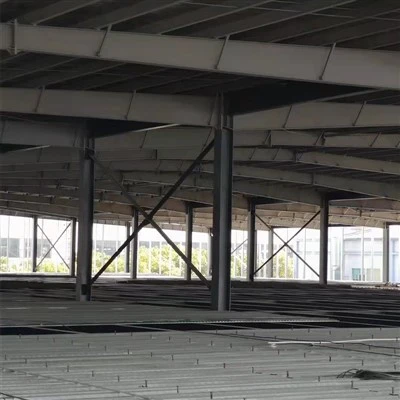
First, let’s get the basics straight: A standard steel shelter is a fabric-covered, framed structure, often with a galvanized steel frame that resists rust and wind. Most of our shelters come with tear-resistant polyethylene fabric or, for heavy-duty use, PVC-coated polyester covers. Traditional greenhouses, by contrast, are usually made of glass or rigid polycarbonate panels, with a rigid frame and precise climate controls. The overlap? Steel shelters can replicate (and even improve on) some core greenhouse functions—when customized.
One of the biggest advantages of using a steel shelter as a greenhouse is cost. Traditional glass greenhouses can set you back $20 to $30 per square foot installed, not including heating, ventilation, or foundation work. Our steel shelters, on the other hand, start at just a fraction of that, with kits that take 1–2 days to assemble by two people (no specialized labor required). For small-scale operations, hobby growers, or farms looking to expand their growing space without a huge upfront investment, that’s a game-changer. I’ve worked with a vegetable farm in western Ohio that used a 20×30 foot steel shelter as a greenhouse extension for their tomato crops last year; they told me they spent less on the shelter than they would’ve paid for a single commercial greenhouse heating unit.
Durability is another win. Galvanized steel frames hold up to extreme temperatures, heavy snow loads, and high winds—far better than the flimsy aluminum frames of many hobby greenhouses. Our shelters are rated for wind speeds up to 100 mph and snow loads up to 40 pounds per square foot, which means they can handle the kind of midwestern blizzards or southwest monsoons that often tear standard greenhouses apart. Unlike glass, which shatters if a hailstone hits it, our fabric covers are impact-resistant; in 2022, a client in Colorado reported their steel shelter greenhouse survived a hailstorm that left neighboring glass greenhouses with hundreds of dollars in broken panes.
But here’s where it gets tricky: Steel shelters are not turnkey greenhouses. The biggest challenge is light. Most standard steel shelter covers are translucent, but not optimized for plant photosynthesis. Polyethylene fabric, for example, blocks about 20–30% of UV light, which is critical for leafy greens, flowering plants, and fruit crops. Too little light leads to leggy, weak plants that are prone to disease. The fix? Upgrade your cover. We offer a specialty greenhouse-grade fabric that lets in 90% of sunlight, with UV stabilizers that prevent it from breaking down after 3–5 years. For even better light transmission, some of our clients swap the fabric for polycarbonate panels on the sides and roof, which are lightweight, shatterproof, and designed for greenhouse use. Another small tweak: Leave the ends of the shelter unzipped during the day (or add mesh roll-up walls) to maximize light exposure, especially in the spring and summer.
Next, climate control. Traditional greenhouses rely on ventilation, temperature regulation, and humidity management to keep plants healthy. Steel shelters, because of their fabric cover, can trap heat—great for cold climates, but a disaster in summer. In 2021, a first-time grower in Michigan tried to use a basic steel shelter as a greenhouse without ventilation and ended up with his lettuce crops wilting in 110-degree temperatures in mid-July. The fix is simple: add vents. Our shelters can be outfitted with automatic roof vents that open when temperatures rise above 80 degrees, and sidewall roll-up panels that let in cool air. For small spaces, box fans are an affordable add-on that circulates air and prevents mold growth, which is a common issue in enclosed growing spaces. Humidity control is also key: if you’re growing moisture-sensitive crops like herbs, use a dehumidifier or add a layer of shade cloth to reduce excess moisture buildup.
Water and drainage are another consideration. Greenhouses need consistent, even watering, and proper drainage to avoid root rot. Standard steel shelters are usually installed on a gravel or dirt base, which works, but you’ll want to make sure the floor slopes slightly away from the structure to prevent water from pooling inside. Some of our clients lay down a layer of landscape fabric first to keep weeds out, then add a raised bed system with drainage holes. For larger operations, we can help you install a permanent concrete slab floor with in-floor heating, which is perfect for cold climates where you want to start seedlings early in the spring.
Wait, but what about pests and wildlife? That’s a big one for growers. Traditional greenhouses have screens on vents and doors to keep birds, rabbits, and insects out. Steel shelters can be fitted with insect netting on all openings, which is thicker and more durable than the mesh used in many hobby greenhouses. We also offer gable end closures that zip tightly shut, so you can fully seal the shelter at night to keep pests out. Last year, a client in Oregon used a steel shelter greenhouse to grow strawberries; he told me the netting kept birds from eating his crop, which had been a major issue in his outdoor beds.
Now, let’s talk about what steel shelter greenhouses are best for. They’re perfect for cold-season growing, especially in regions with harsh winters. The insulated fabric covers we offer trap heat, so you can grow crops like kale, spinach, and carrots all winter long without needing a full heating system (you can add a space heater for extreme cold snaps if needed). They’re also great for temporary growing space—if a farm needs extra greenhouse space during planting season, a steel shelter can be set up in a week, used for 6 months, then disassembled and stored for next year. For hobby growers, small-scale market gardeners, and even schools that want a low-cost growing space for student projects, they’re a versatile option.
But they’re not for everyone. If you’re growing large fruit trees or crops that need very high light levels (like hydroponic tomatoes in the dead of winter), a standard steel shelter might not be enough—you’d want to invest in a glass or polycarbonate greenhouse with supplemental grow lights. Also, if you’re in a very hot, dry climate, the fabric cover can lead to excessive evaporation, so you’d need to invest in a reliable irrigation system to keep plants from drying out. That said, even in those cases, a steel shelter can work as a secondary growing space, not a replacement for a primary greenhouse.
Over the years, I’ve heard a lot of skepticism from growers who think steel shelters are too flimsy or too basic to be greenhouses. But I’ve seen firsthand how a customized steel shelter can outperform a standard hobby greenhouse. Take a client in Iowa who runs a small tomato operation: he used a 30×40 foot steel shelter as his primary greenhouse, with the specialty greenhouse fabric, roll-up side walls, and a fan system. Last year, he harvested 2,500 pounds of tomatoes from the shelter—more than he’d ever gotten from his old glass greenhouse, which had to be repaired after a windstorm in 2020. The best part? He told me the total cost for the shelter and customization was less than half what he’d paid to replace his glass greenhouse.
So, can steel shelters be used as a greenhouse? The answer is a resounding yes—if you plan for the unique needs of plant growth. It’s not a one-size-fits-all solution, but for the right grower, it’s a cost-effective, durable, and flexible option that can expand your growing capacity without breaking the bank.
If you’re interested in exploring if a steel shelter greenhouse is right for your needs, or want to learn about customization options like greenhouse-grade covers, ventilation systems, or pest control add-ons, feel free to get in touch to discuss your project. We work with growers of all sizes, from hobby gardeners to commercial farms, to design solutions that fit their specific space, crops, and budget.
Steel Platform with Stair References:
- USDA Agricultural Research Service. (2020). Greenhouse Structure Design and Durability for Extreme Weather.
- University of California Agriculture and Natural Resources. (2019). Light Requirements for Vegetable Crops in Protected Agriculture.
- American Society of Agricultural and Biological Engineers. (2021). Ventilation Standards for Low-Cost Protected Cultivation Structures.
- Steel Building Institute. (2022). Galvanized Steel Structure Performance in Agricultural Environments.
Suzhou Wanyu Steel Structure Construction and Installation Engineering Co., Ltd.
With abundant experience, we are one of the most professional steel shelters manufacturers and suppliers in China. We warmly welcome you to buy customized steel shelters at competitive price from our factory. If you have any enquiry about pricelist, please feel free to email us.
Address: No. 78, Putian Road, Suzhou Industrial Park, Suzhou, Jiangsu Province
E-mail: Zhu@szwanyu.com
WebSite: https://www.wy-metalstructure.com/
