Hey everyone! Let’s cut to the chase – I get so many DMs and emails from home bakers, bulk snack lovers, and even small café owners asking me this exact question: can you actually use food jars for storing dried fruits? As someone who runs a food jar supply company, I’ve fielded this one a hundred times, and honestly? It’s not just a “yes” – it’s one of the best uses for our jars that we see customers rave about all the time. Let’s break this down without all the fancy jargon, ’cause let’s be real, no one wants to read a stuffy lab report when they’re trying to stock their pantry. Food Jar
First off, let’s talk about why dried fruits are such a tricky thing to store. I’m looking at you, apricots, dates, cranberries, and those big fancy figs you splurge on at the farmers’ market. Dried fruits have super low moisture content – like, way less than fresh produce – but that doesn’t mean they’re totally safe from going bad. The enemy here is two-fold: moisture and air. If even a tiny bit of extra humidity creeps in, dried fruits start to get that sticky, moldy goop you never want to see. And oxygen? It makes them go stale, lose that bright color, and even develop a weird off-taste after a few months. So the container you use has to fight both of those things, right?
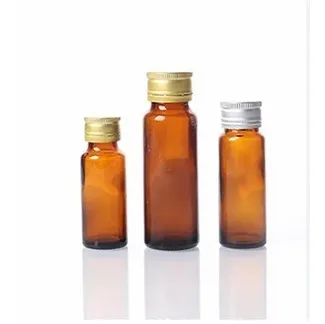
Now, food jars – the glass, BPA-free ones we supply, not those thin plastic takeout containers you get from the deli – are perfect for this. Let’s get into the science real quick (I’ll keep it simple, I promise). Glass is non-porous, meaning it doesn’t let air or moisture pass through its walls. Contrast that with plastic containers, which can sometimes absorb odors from things like dried mango or cinnamon, and even leach tiny chemicals over time, especially if you store something acidic like dried cherries in it. Our food jars are also airtight – we design them with silicone gaskets in the lids that create a seal so tight, you can flip the jar upside down and not a drop comes out. That’s exactly what you need for dried fruits.
Wait, but hold on – not all food jars are created equal, right? I’ve seen customers use random mason jars from the dollar store, and hey, that works for a little while, but those lids often aren’t true airtight. The ones we supply have precision-engineered seals that stay intact even after months of opening and closing. I had a regular customer a few months back, a mom of two in Chicago, who started using our 64-ounce jars for her family’s dried fruit stash. She told me she used to have to throw out half her apricots every winter because her old plastic container would let in humidity from her dryer (old apartment problems, am I right?). Since switching to our jars, she’s gone three months without a single spoiled batch – and she even started mixing her own trail mix in them too. That’s the kind of win we love hearing about.
Another big plus: dried fruits are often high in sugar, which means they’re prone to attracting pests if you’re not careful. Moths, ants, even those tiny fruit flies that seem to appear out of nowhere – they can sniff out dried sugar from a mile away. Food jars, especially the ones with secure lids, create a barrier that pests can’t get through. I’ve had a small bakery client who stores their bulk dried berries in our jars on the shop floor, no pest issues at all. Before that, they were using paper bags, which the moths would chew through in a week. Worth every penny, if you ask me.
But wait, is there a catch? Nothing that can’t be fixed with a little know-how. First, make sure your dried fruits are actually dried enough before you put them in the jar. If they feel sticky at all, that means there’s too much moisture left, and even the best jar seal can’t save them. I always tell customers to pat them lightly with a paper towel first (for stickier ones like dates) and maybe even leave them out on a counter for a day to air dry a bit more if needed. Second, don’t overfill the jar. You want to leave a little headspace at the top – like an inch or so – so you don’t have to cram the lid down tight, which can break the silicone gasket. Third, label the jar! Dried fruits have different shelf lives. Most will last 6-12 months in a sealed food jar, but things like dried pineapple might start to get a little tough after 8 months, while dates can go up to a year. Writing the date you stored them on the lid takes the guesswork out.
Let’s talk about the environment too, ’cause that’s a huge reason people are switching to food jars these days. Plastic containers are single-use for most people, and even if you reuse them, they don’t last forever. Glass jars? They’re indestructible – you can wash them, reuse them for years, even pass them down. My company’s whole thing is reducing plastic waste, so when customers tell me they’re using our jars to store dried fruits instead of buying those plastic bags every week, it makes my day. Last year, we had a customer who runs a bulk food store in Portland, and she switched all her dried fruit displays to our jars – she said she cut her plastic waste for that section by 90% in the first month. That’s the kind of impact we’re all chasing, right?
I know some people might worry about glass breaking, especially if you have kids or are moving jars around a lot. But our food jars are made with thick, durable glass – they’re way less likely to break than the thin mason jars from the dollar store. And if one does break? Well, at least it’s glass, which is 100% recyclable, unlike plastic. No weird chemicals leaching if it cracks, either.
Wait, let’s get real about common mistakes I see people making. I had a customer last month who used our jars but didn’t dry the fruits first – she ended up with a little bit of mold on her cranberries after a month. She reached out panicking, and I told her it’s totally fixable: just take the fruits out, spread them on a baking sheet, bake them at a low temperature (like 170°F) for 15 minutes to get rid of excess moisture, then dry the inside of the jar really well before putting them back. That’s the thing – storage is all about small, easy steps, not being perfect.
Another thing: if you’re storing different types of dried fruits, don’t mix them unless you want, like, a random apricot in your bag of dried blueberries. Our jars come in different sizes, so you can get a small 8-ounce jar for dried goji berries, a medium 32-ounce for dates, and a large 64-ounce for bulk raisins. That way, everything stays fresh and you don’t have to dig through a big jar to find what you want.
So, to circle back to the original question: yes, food jars are not just good for storing dried fruits – they’re one of the best options out there. They keep out moisture and air, keep pests away, last forever, and are way better for the planet than plastic or paper bags. As someone who’s in the food jar business, I’ve tested this myself, I’ve seen my customers test this, and the results are unanimous.
If you’re someone who loves dried fruits, whether for snacking, baking, or meal prepping, and you’re tired of throwing out spoiled batches or dealing with plastic waste, we’d love to help. We’ve got food jars in all different sizes, with easy-to-use airtight lids, perfect for every type of dried fruit you can think of. If you’re a home user looking for a few jars, or a business owner needing bulk orders, hit us up to chat about what you need. We’re here to make storing your favorite snacks easy and sustainable.

At the end of the day, storing food shouldn’t be complicated. And when it comes to dried fruits, food jars make it simple, effective, and even a little enjoyable. No more sticky bags, no more spoiled snacks, just fresh, delicious dried fruits whenever you want them. That’s what it’s all about.
Roller Bottle References:
- Food and Agriculture Organization of the United Nations. (2021). Storage of dried fruits: Best practices for quality preservation.
- Journal of Food Protection. (2019). Effects of packaging materials on shelf life of dried high-sugar fruits.
- U.S. Environmental Protection Agency. (2022). Reducing plastic waste through reusable food storage containers.
Aohui Packaging Products Co., Ltd.
We’re well-known as one of the leading food jar manufacturers in China, also support custom service. Please feel free to wholesale customized food jar at competitive price from our factory. Welcome to view our website for more information.
Address: Baisheng Building, Zhongshan Road, Shinan District, Qingdao
E-mail: aohuipack@qq.com
WebSite: https://www.ahglassbottle.com/
