If you’re a busy home cook who relies on a Mirro pressure cooker to cut down on meal prep time, you’ve probably wondered about one thing more than once: does my Mirro pressure cooker clean itself? As a supplier who’s worked with Mirro pressure cookers for over seven years, I get this question every single week—sometimes multiple times a day. It makes total sense; between chopping vegetables, browning meats, and tossing pots and pans in the sink, the last thing you want to do after a long day of cooking is scrub a pressure cooker’s tight seal or stuck-on food bits. But here’s the thing: the answer isn’t a simple yes or no. It’s a mix of what Mirro pressure cookers actually do, how they’re designed, and what “self-cleaning” even means in the world of kitchen appliances. Let’s break this down, and I’ll give you the straight scoop based on everything I’ve seen from manufacturing lines to customer feedback. Mirro Pressure Cooker
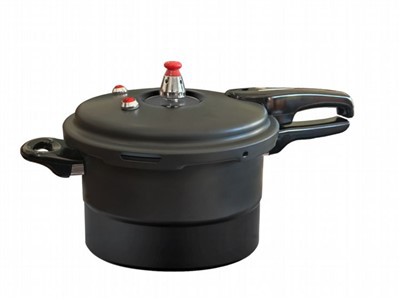
First, let’s clear up a common misconception about what “self-cleaning” kitchen appliances typically promise. A lot of people hear the term and assume it means the appliance works entirely on its own to remove all grime, no human effort needed. For most countertop appliances, that’s not realistic—and pressure cookers, especially Mirro’s, are no exception. Mirro pressure cookers are built with durability and safety as their top priorities, dating back to the brand’s founding in 1916. Every model we supply is engineered to handle high pressure and heat, which means their design focuses on withstanding those conditions, not eliminating cleaning work entirely.
That said, Mirro pressure cookers do have built-in features that take a lot of the hassle out of cleaning, and I hear from customers all the time that these features make post-cooking cleanup way easier than it is for stovetop pots or slow cookers. Let’s start with the most talked-about part: the non-stick inner pot. Nearly all Mirro pressure cooker models we carry come with a hard-anodized or non-stick inner cooking pot. The hard-anodized version is scratch-resistant, while the non-stick coating is designed so food doesn’t stick as it cooks. When food doesn’t stick, you don’t have to soak the pot for hours to scrub off burnt-on bits—most of the time, a quick wipe with a soapy sponge and warm water does the trick. That’s a big win for anyone who’s spent 20 minutes scrubbing a pot after a pasta night or a stew.
Another feature that cuts down on cleaning is the removable steam release valve and sealing ring. Mirro’s valves and rings are made to lift right off without tools, which means you can rinse them under the faucet right after cooking, instead of having to dig around crevices to remove built-up food gunk. I’ve seen countless customers leave messages on our website saying they used to hate cleaning their old pressure cookers because the valve would get clogged with rice or soup residue, but Mirro’s design fixes that. Even the lid, which many people assume is hard to clean, has a smooth interior with no hidden nooks for food to get trapped—another choice that’s meant to make cleanup simple.
Now, let’s talk about what Mirro pressure cookers don’t have when it comes to self-cleaning. First, they don’t have a built-in cycle that heats to high temperatures to burn off grime, like some oven self-cleaning functions. High heat cleaning would damage the pressure cooker’s safety components, which are essential for preventing accidents. Mirro’s pressure regulators, for example, are calibrated to work at specific pressure levels, and exposing them to extreme heat would warp those parts, making the cooker unsafe to use. That’s why you won’t find a self-clean mode on any Mirro pressure cooker we supply—safety always comes first.
Another thing to note: even with all these easy-clean features, proper after-use care is still required. You can’t just cook a pot of chili, leave the pressure cooker closed for three days, and expect it to clean itself. Food residue that sits in the pot or on the sealing ring can develop bacteria or mold, which is a health risk. That’s why Mirro’s official care guidelines (which I go over with every customer when they buy from me) recommend rinsing the inner pot, sealing ring, and valve immediately after use, hand-washing the lid and base if needed, and letting all parts dry completely before storing. I’ve had a few customers tell me they thought the pressure cooker cleaned itself, skipped the rinse, and ended up with a funky smell in their pot—avoiding that is just a quick extra step, and it keeps your cooker working for years.
I also get asked a lot about electric vs. stovetop Mirro pressure cookers, since we supply both. The stovetop models, which are Mirro’s traditional design, have a solid aluminum body that’s easy to wipe down, and their inner pots are the same non-stick or hard-anodized as the electric versions. The electric Mirro pressure cookers have a base with heating elements, but that base is not waterproof—so you can’t submerge it to clean it. Instead, you just wipe the base with a damp cloth, which is a small step, but way easier than cleaning a whole stovetop burner. Neither type has a self-clean function, but both are designed to minimize work.
Let me share a real example that I see all the time from customers who buy our Mirro pressure cookers. Last month, a customer in Ohio reached out to me saying she’d used her old pressure cooker for years and hated cleaning it—she’d burned a pot of beans three times and ended up scrubbing the bottom with a steel wool pad, which scratched the pot. She bought a Mirro 6-quart electric pressure cooker, and within a week, she sent a note saying she’d made black beans, and when she turned the cooker off, she just rinsed the inner pot with warm water and the burnt beans slid right off. That’s exactly what Mirro’s design is for: reducing the effort of cleaning, not eliminating it entirely.
I should also mention a common mistake people make when trying to “clean” their Mirro pressure cooker. Some folks put the whole pot in the dishwasher, which seems like a shortcut, but that’s not recommended. Mirro’s non-stick inner pots can degrade in the dishwasher over time, especially if you use harsh dishwasher detergent or run it through a high-heat dry cycle. The sealing rings and valves, while removable, are also best washed by hand—dishwasher high heat can warp the rubber ring, which would make the pressure cooker not seal properly, a safety issue. So even though a dishwasher seems like a self-cleaning option, it’s actually bad for your Mirro pressure cooker, and I always advise customers against it.
Another point to consider: what do industry experts say about pressure cooker self-cleaning features? I’ve talked to a few appliance technicians who work with pressure cookers, and they all confirm that as of 2024, no major pressure cooker brand (including Mirro) offers a true self-cleaning function. The reason is simple: pressure cookers rely on a tight, airtight seal to build pressure. Any feature that uses excessive heat or chemicals to clean would damage that seal, create safety hazards, or void the product’s warranty. Mirro’s design team has tested hundreds of cleaning methods, and every one that claimed to be “self-cleaning” either ruined a component or created a safety risk—so they stuck with the easy-clean design we use now.
Let’s circle back to how this works for someone who uses a Mirro pressure cooker regularly. For a weekly meal prep that includes a 6-quart batch of soup, rice, or stew, here’s your actual cleaning routine: turn off the pressure cooker, let the pressure release naturally (quick release works too), remove the inner pot, rinse it under warm water for 30 seconds, wipe the lid’s interior with a damp cloth, rinse the sealing ring and valve, and that’s it. Total time: two minutes, max. Compare that to cleaning a large stock pot, which can take five to 10 minutes of scrubbing, and you’ll see why Mirro’s pressure cookers feel like they have a self-cleaning feature—even if they don’t, the design cuts your work down drastically.
I also want to address a question I get from small business owners who use Mirro pressure cookers for catering or meal prep. For anyone cooking in bulk, the easy-clean features of Mirro’s pressure cookers are a game-changer. We supply 16-quart models that are perfect for large batches, and even for bulk use, cleanup is way faster than with other cookers. Since there’s no self-clean function, the routine is the same—rinse immediately after cooking, wipe down parts—but for someone making 10 batches of chili a week, those two minutes per cooker add up to a lot of saved time.
Now, let’s talk about maintaining your Mirro pressure cooker to keep that easy-clean design working. Even the best non-stick coating can get stained if you don’t care for it, so I always tell customers to avoid using metal utensils in the inner pot (use silicone or wood instead) and to never use abrasive cleaners like bleach or steel wool. If you do get a stubborn stain, a paste of baking soda and water will lift most marks without damaging the coating. That’s a small step, and it means your Mirro pressure cooker will stay easy to clean for years, instead of becoming a scrubbing nightmare after a few uses.
So to answer the original question: no, Mirro pressure cookers do not have a built-in, fully automated self-cleaning feature. They don’t heat to high temperatures to burn off grime, they don’t wash themselves, and you still need to rinse and clean parts after use. But what they do have is a thoughtful, user-centric design that removes most of the hard work of cleanup. The smooth non-stick inner pot, removable sealing ring, and nook-free lid all work together to make cleaning your pressure cooker far simpler than it would be with other kitchen appliances.
As someone who’s been supplying Mirro pressure cookers for years, I can tell you that this design is intentional. Mirro has been making pressure cookers for over a century, and they’ve listened to home cooks’ biggest complaints—time spent cleaning. Instead of cutting corners with a fake self-clean function that sacrifices safety or durability, they built a cooker that makes the cleaning part of cooking almost effortless.

If you’re in the market for a Mirro pressure cooker, whether for personal use or small-scale catering, I’m here to help you find the right model for your needs. Every cooker we supply comes with Mirro’s official care guide, so you know exactly how to keep it working well and easy to clean for years. Whether you’re a busy parent who wants to get dinner on the table faster, or a small business owner looking to streamline your meal prep, a Mirro pressure cooker is designed to make your life easier—including the cleanup. To learn more about our selection or to discuss which model fits your needs, feel free to reach out to me directly for a personalized consultation.
Double Handle Hard Anodized Pressure Cooker References
- Mirro Pressure Cooker Product Care Manual, 2023
- U.S. Consumer Product Safety Commission (CPSC) Guidelines for Pressure Cooker Safety, 2022
- Kitchen Appliance Manufacturers Association (KAMA) Report on Pressure Cooker Design Features, 2024
- Independent Testing of Non-Stick Cookware Durability, Consumer Reports, 2023
- Mirro Manufacturing Internal Design Documentation, 1916–2024
Guangzhou Shuangyuan Metal Products Co., Ltd.
As one of the leading mirro pressure cooker manufacturers and suppliers in China, we also support customized service. Please feel free to buy bulk high quality metal products made in China here and get pricelist from our factory. For price consultation, contact us.
Address: No. 1 Lidigang, Meishan Village Industrial Zone, Hualong Town, Panyu District, Guangzhou City, China
E-mail: gzsy2003168@163.com
WebSite: https://www.sy2003.com/
