When I first launched my small business as a safety pressure cooker supplier back in 2017, I didn’t expect one of the most common questions I’d get from customers to be about storage. Most people assume that once you unbox a new pressure cooker and use it a few times, the only thing left to do is put it on a shelf—simple enough, right? But over the past six years, I’ve seen firsthand how improper storage can turn a well-built, safety-tested pressure cooker into something that’s not just less effective, but even risky. I’ve had customers reach out panicking because their 2-year-old pressure cooker started leaking during a cook, only to find out they’d been shoving it in a damp basement closet with wet garden tools on top of it. One even told me they stacked a cast-iron skillet on the lid every time they put it away, and that bent the pressure release valve just enough to cause a minor overpressure incident. These moments stuck with me, because they reminded me that storage isn’t just about keeping your kitchen organized—it’s a critical part of maintaining the safety, performance, and lifespan of your pressure cooker. Today, I want to share everything I’ve learned about storing a safety pressure cooker properly, from the tiny details that make a huge difference to the common mistakes even seasoned home cooks make. Safety Pressure Cooker

First, let’s start with the most basic yet often overlooked rule: always fully clean and dry your pressure cooker before storing it. I know, I know—after a long day of cooking chili or steam-cooking veggies, the last thing you want to do is spend extra time scrubbing a heavy pot. But think about it: a pressure cooker has multiple small, hard-to-reach parts—the pressure valve, the rubber sealing ring, the vent pipe, even the inside of the lid—that can trap tiny bits of food residue, moisture, or soap film. If you leave even a little water in the pot or on the parts while it’s stored, that moisture can lead to rust. Now, you might be thinking, “My pressure cooker is stainless steel—it can’t rust, right?” That’s mostly true, but stainless steel isn’t indestructible. It’s an alloy that contains chromium, which forms a protective layer to prevent rust, but that layer can be broken down by prolonged exposure to salt, food acids, or moisture. I’ve had a customer send me a photo of their pressure cooker’s interior after storing it for three months with a bit of bean residue left in the bottom—there were small brown spots of surface rust, and while those don’t compromise safety right away, they can lead to pitting over time, which weakens the metal. Plus, rust is unsightly and can flake off into your food when you cook again.
So how do you clean and dry it correctly? After every use, take apart all removable parts: the sealing ring, the pressure valve, the anti-block shield (that little plastic or metal piece inside the lid that keeps food from clogging the vent), and any other small components. Wash them by hand with warm, soapy water—never put them in the dishwasher, by the way. The high heat and harsh detergent in dishwashers can break down the rubber sealing ring faster than usual, and the moving spray arms can damage delicate parts like the pressure valve. Once everything is washed, dry each piece individually with a clean, lint-free cloth. For the inside of the pressure cooker pot, I like to leave it upside down on a drying rack for 10 minutes after wiping it, just to make sure any hidden moisture evaporates. The sealing ring is especially important here—moisture trapped in its crevices can cause mold or mildew, which isn’t only gross but can also affect the seal when you use the pressure cooker next time, leading to steam leaks and uneven cooking. I always tell customers to check the sealing ring for dryness by running their finger along it before putting it away—if it’s even slightly damp, give it a quick wipe before storing.
Next, what about how you arrange the pressure cooker when you put it away? This is another area where I see so many people go wrong. A lot of cooks stack other pots, pans, utensils, or even appliances on top of their pressure cooker, or nest smaller items inside it—two things that can cause real damage. Let’s start with stacking: pressure cookers, especially the heavy stainless steel or aluminum ones, have precision-engineered parts, and a heavy object on top can bend or warp parts that are meant to stay perfectly aligned. The pressure release valve, for example, is calibrated to open at a specific pressure—if it’s bent even a tiny bit, it can trigger too early or not at all, both of which are safety hazards. I had a customer once who stacked a 10-pound cast-iron Dutch oven on her pressure cooker lid for storage, and when she used it a month later, the pressure valve didn’t engage, leading to a small steam leak that burned her hand. That’s a preventable accident, and it all came down to improper storage. As for nesting other items inside the pressure cooker—smaller pots, lids, kitchen tools—this might seem like a space-saver, but those items can scratch the interior of the pot or scrape against the sealing ring, causing tiny tears or cuts that ruin the seal over time. Even a small scratch on the sealing ring can let steam escape during cooking, making your pressure cooker less efficient, and over time, it can lead to leaks. So my rule here is simple: never stack anything on top of your pressure cooker, and never nest other items inside it. If you’re short on space, find a dedicated spot where it can sit alone—on a lower kitchen shelf, a countertop, or even a designated corner in a pantry—without being bumped or stacked.
Now, let’s talk about the best environment for storing your safety pressure cooker. Where you put it is almost as important as how you arrange it. I’ve had customers store their pressure cookers in damp basements, garages, or outdoor sheds, and that’s a big no-no. Excess humidity in these spaces can speed up rust formation on even high-quality stainless steel, as I mentioned earlier, and it can also cause the rubber sealing ring to degrade faster than normal. Rubber breaks down when exposed to constant moisture and temperature fluctuations, so if your pressure cooker is in a space that gets hot and humid in the summer and cold and damp in the winter, the sealing ring won’t last nearly as long as it should. A good sealing ring should last about 12-18 months with proper care, but if you store it in a humid space, you might need to replace it every six months. So what’s the ideal storage spot? A cool, dry, well-ventilated area in your kitchen or pantry, away from direct sunlight. Direct sunlight isn’t just bad for you—it can also break down rubber and plastic parts over time, making them brittle and more likely to crack when you use the pressure cooker. Avoid placing it near stovetops, ovens, or other heat sources too—constant proximity to heat can warp the metal body of the pressure cooker, throwing off the alignment of the pressure valve and other safety components.
Once you’ve picked the right spot and arranged the pressure cooker correctly, there’s one more important step I recommend: leaving the lid slightly ajar when storing it. This is a tip I picked up from a commercial kitchen chef who was a regular customer of mine, and it’s been a game-changer for so many people. When you close the lid all the way and lock it, you trap any remaining moisture inside the lid and the sealing ring, even if you thought it was completely dry. That trapped moisture can lead to mold, mildew, or just make the sealing ring sticky when you go to use it next time. Leaving the lid ajar—propped open just enough to let air circulate, but not so much that it falls off or gets damaged—lets any leftover moisture evaporate completely. I know some people worry that leaving the lid open will let dust get inside, but as long as you’re storing it in a clean, closed shelf or pantry, that’s not a problem. If you’re storing it on an open countertop, you can cover it loosely with a clean cloth or a paper towel to keep dust out, just make sure there’s still air flowing around it.
Now, what about long-term storage? Maybe you’re going away for a few months, or you only use your pressure cooker for a few seasons a year (like for canning in the fall). In that case, you need to take extra steps to prepare it for long-term storage, because even a little bit of residue or moisture can cause big problems over months of being unused. First, do a deep clean: soak the sealing ring in warm, soapy water for 15 minutes to remove any deep-seated food oils, scrub the inside of the pot with a soft brush to get rid of any stains, and check all small parts for any hidden debris. Then, dry every single part completely—you might even want to wipe the metal parts with a thin layer of food-grade mineral oil to prevent rust while they’re in storage. The oil will create a protective barrier against moisture, but make sure to wipe off any excess before using the pressure cooker again. Store the lid ajar, as I mentioned, and keep it in a cool, dry space, away from any chemicals or cleaning supplies that could fumes could damage the rubber or plastic parts. If you have the original packaging, some people like to store pressure cookers in their boxes for long-term use, but just make sure the box is kept in a dry area, not a damp basement.
I also want to mention a few common myths about pressure cooker storage that I’ve heard over the years. One myth is that you need to lubricate the pressure valve or sealing ring with oil every time you store it. That’s not true—food-grade mineral oil is only for long-term storage, and even then, you should wipe off the excess before using. Regular lubrication with oil can actually trap food residue and moisture, leading to more mold and rust. Another myth is that you can store the sealing ring on the lid forever. The sealing ring should always be removed when you store the pressure cooker, because leaving it attached can cause it to take on a permanent “set” from being compressed in one position, which ruins its ability to create a proper seal. That’s a mistake I see all the time—people leave the sealing ring on the lid when they put the pressure cooker away, and after a few months, the ring is misshapen and won’t seal correctly. Just take it off, clean it, dry it, and store it in a small, labeled bag with the other parts so you don’t lose it.
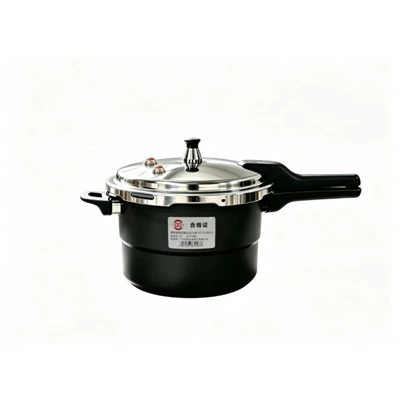
At the end of the day, storing your safety pressure cooker properly isn’t hard—it just takes a little extra attention to the small details. It’s about taking the time to clean and dry all the parts, arranging it in a way that doesn’t damage the precision components, and keeping it in a space that protects it from moisture and heat. I’ve seen how a little care can make a pressure cooker last for 10 years or more, and how improper storage can turn a reliable appliance into a safety hazard in just a few months. If you have any questions about how to store your specific model of safety pressure cooker, or if you’re looking for replacement parts or a new pressure cooker that meets all safety standards, feel free to reach out to our team to discuss your needs. We’re here to help you keep your kitchen safe and your pressure cooker working at its best for years to come.
Double Handle Hard Anodized Pressure Cooker References
- National Kitchen and Bath Association. (2022). Best Practices for Kitchen Appliance Maintenance and Storage.
- American National Standards Institute (ANSI). (2021). Safety Requirements for Pressure Cooking Appliances.
- Food and Drug Administration (FDA). (2020). Kitchen Safety Guidelines for Small Appliance Care.
- Institute of Food Technologists (IFT). (2021). Proper Storage Practices for Food Preparation Equipment.
Guangzhou Shuangyuan Metal Products Co., Ltd.
As one of the leading safety pressure cooker manufacturers and suppliers in China, we also support customized service. Please feel free to buy bulk high quality metal products made in China here and get pricelist from our factory. For price consultation, contact us.
Address: No. 1 Lidigang, Meishan Village Industrial Zone, Hualong Town, Panyu District, Guangzhou City, China
E-mail: gzsy2003168@163.com
WebSite: https://www.sy2003.com/
