If you’ve ever sized or installed a slurry pump, you know that the pump itself is only half the battle. The suction and discharge piping? That’s where most projects go off the rails fast. I see it every day working with mines, aggregate plants, and wastewater operations that come to us frustrated because their “ready-to-go” slurry pump isn’t moving material like they expected. Nine times out of ten, it’s not the pump’s fault—it’s the piping. Slurry Pump

Let me set the scene. A customer called me last month: they just dropped a brand-new heavy-duty slurry pump, fired it up, and it sounded like a jet engine taking off. The flow rate was 30% below spec, and it was tripping the motor on overpressure. We did a quick walkthrough, and sure enough, their suction line was a random mix of 6-inch and 5-inch pipe, with three 90-degree elbows and a filter screen they thought would “catch big rocks.” Total head loss? 12 feet. That’s enough to kill any pump’s efficiency, especially when you’re dealing with dense, abrasive slurry that doesn’t play nice with turbulence.
Here’s the thing: slurry isn’t water. Water flows smooth, it follows a straight line, and it doesn’t hang up on pipe walls. Slurry is a mix of solid particles and liquid—sometimes thick as mud, sometimes chock-full of gravel or mining tailings. Add that extra layer, and every twist, turn, or undersized pipe in your suction or discharge line isn’t just adding a little friction. It’s creating eddies that let solids settle, which leads to clogging, cavitation, and premature pump wear. And if you’re wasting 20% of your energy just pushing slurry through bad piping? You’re throwing money out the window before you even get to the pump.
Let’s start with the suction side. This is make-or-break territory for slurry pumps. Cavitation is the #1 killer of pump internals, and 90% of cavitation cases come down to bad suction piping design. Cavitation happens when low pressure at the pump’s suction inlet drops below the vapor pressure of the slurry—tiny bubbles form, then collapse violently when they hit higher pressure inside the pump, chipping away at impellers and casings. Good suction piping keeps pressure high and flow smooth.
First rule of suction piping: keep it as short and straight as possible. I know it’s tempting to route lines around existing equipment to save time or space, but every extra foot of pipe, every elbow, every valve is more head loss. Some guys will add a big elbow to turn a line instead of two smaller ones, thinking it’s easier—nope. A single long-radius 90-degree elbow has way less head loss than two standard elbows, and it doesn’t create that sharp turbulence that lets solids settle.
Then there’s pipe size. So many people size suction piping the same as discharge, or even smaller, to save money. That’s a huge mistake. The rule of thumb for slurry pump suction lines is: make them one size larger than the pump’s suction nozzle minimum. Wait—let me clarify that. If your pump has a 6-inch suction flange, don’t run 6-inch pipe right off the bat. Drop down a size gradually? No, wait—let’s get this right: the suction line should be at least the same size as the pump’s suction nozzle, but ideally, 10% larger to keep flow velocity low. For most abrasive slurries, you want suction velocity between 2 and 5 feet per second. If your suction line is too small, velocity spikes, pressure drops, and boom—cavitation. I’ve seen a customer put a 6-inch suction line on a pump with a 6-inch nozzle, and within three months, the impeller was pocked full of cavitation damage. When we re-routed to a 7-inch suction line? The cavitation stopped, flow went up, and they extended impeller life by 18 months.
Another big no-no on the suction side: any obstructions like filter screens, check valves, or even reducers right at the inlet. A lot of guys throw a swing check valve on the suction line thinking it’ll prevent backflow when the pump shuts off. But swing checks create massive head loss, and they have that flapper that slams shut—great for water, terrible for slurry. If you need backflow prevention, go with a spring-loaded check valve designed for slurry, not one made for clean water. And forget the filter screen. If you’ve got big particles in your slurry, install a grate at the tank or hopper, not in the suction line. A screen there will get plugged in a week, no joke.
Oh, and one last suction trick: slope the suction line toward the feed tank at a 1-degree minimum. If you slope it the other way, you’re creating a pocket where air and solids can accumulate. That air pocket doesn’t just reduce flow—it can cause the pump to lose prime, which is a whole other headache. I had a customer last year who was struggling with frequent priming issues, and it turned out their suction line was sloped away from the tank, creating an air pocket. We re-graded the line, no other changes, and they haven’t had a priming problem since.
Now let’s move to the discharge side. People pay way less attention to discharge piping, but it’s just as important. Bad discharge piping can kill flow, increase energy costs, and cause premature wear on the pump’s discharge flange. The goal here is to keep velocity consistent, minimize turbulence, and avoid sudden changes in pipe size.
First, velocity on the discharge side. For most slurries, you want discharge velocity between 5 and 10 feet per second. Why the higher range? To keep solids suspended. If discharge velocity drops below 5 ft/s, solids start settling in the line, building up over time, reducing pipe size, and increasing head loss. Before you know it, your pump is working harder to push less slurry, and it’s burning up energy. On the flip side, too high (over 12 ft/s) and you’re increasing pipe wear, which means you’ll be replacing pipe every year instead of every 5. That’s a trade-off you don’t want to make.
Pipe size changes on the discharge line: when you need to upsize or downsize, use gradual reducers or expanders, not sharp jumps. A concentric reducer is fine for horizontal runs, but for vertical runs, use an eccentric reducer to avoid air pockets. Sharp size changes create turbulence, which wears pipe faster and increases head loss. I’ve seen a job where someone went straight from 8-inch to 6-inch discharge pipe with a single fitting—within six months, that 6-inch pipe was worn through from turbulence. We switched to a gradual reducer, and that pipe lasted three years.
Valves on the discharge line: use the right type, and don’t overdo it. Gate valves are standard for isolation, but make sure they’re full-port so they don’t restrict flow. Ball valves work too, as long as they’re designed for slurry. Avoid globe valves on the discharge line unless you’re throttling flow specifically—they create way too much head loss. And never install a valve right at the pump discharge nozzle. Leave at least 2-3 feet of straight pipe between the pump and the first elbow or valve. That gives the flow time to smooth out after leaving the pump, reducing turbulence and wear.
Another thing on discharge: support the line properly. Slurry piping is heavy, especially when it’s full of dense material. If you don’t support it well, the line can sag, creating low spots where solids settle. Sagging lines also put stress on the pump’s discharge flange, leading to leaks and even misalignment of the pump shaft. I always tell customers to use pipe hangers every 8-10 feet for horizontal runs, and add supports at every joint for vertical runs. And use padding where the line connects to the pump—vibration is real, and it can crack piping or break flanges over time.
Wait, let’s talk about a common mistake I see: copying what someone else did. A customer will come to us with a pump layout their buddy used at another mine, and it’s the wrong size for their slurry. Different slurries have different properties—one size doesn’t fit all. A fine, light tailings slurry is way different than a coarse, dense gravel slurry. The velocity needs, pipe sizes, even the type of fittings change. That layout your buddy used might have worked for him, but it’s not gonna work for you if your slurry is thicker or has bigger particles.
I also get a lot of questions about wear on piping. Slurry is abrasive, so even the best piping will wear out eventually. But good design makes a huge difference. For example, if you have a horizontal discharge line, rotate the pipe every few months so the wear is even. If you have 90-degree elbows, use long-radius elbows instead of short ones—they have less turbulence, so they wear slower. And invest in abrasion-resistant pipe materials, like high-chrome iron or polyurethane, especially for parts of the line where velocity is highest.
Let’s circle back to that first customer I mentioned. They fixed their piping: re-routed the suction line to a 7-inch pipe, replaced the random elbows with long-radius ones, removed the screen and swing check valve, added a proper slurry check valve instead, and sloped the line toward the tank. On the discharge side, they upsized to an 8-inch line, added gradual expanders, and removed two unnecessary valves. The result? Flow went up 32%, motor energy use dropped 25%, and that jet engine sound was gone. They didn’t need a new pump—they just needed to fix the piping that came with it.
Here’s the bottom line: your slurry pump is only as good as the piping that feeds it and carries it away. Skimping on suction and discharge piping design is like buying a sports car and putting cheap tires on it—you’re never gonna get the performance you paid for. A good piping design might cost a little more upfront, but it saves you so much in maintenance, energy bills, and pump repair costs over time.
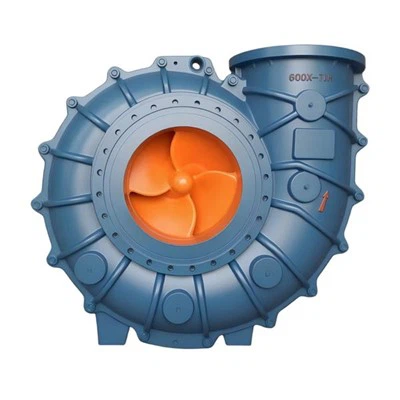
If you’re dealing with a pump that’s underperforming, cavitating, wearing out too fast, or just not moving slurry like it should, don’t assume the pump is bad. First check the piping. Chances are, there’s a simple fix that’ll get you back on track fast. We’ve helped dozens of customers diagnose and fix their piping issues, and we can help you too. Whether you’re installing a new pump, retrofitting an old one, or just looking to improve efficiency, our team can walk you through the right design for your specific slurry, application, and setup. We’re not just pump suppliers—we’re the guys who make sure your pump works as hard as you do, without the headaches. So if you’ve got questions about your suction or discharge piping, or you’re ready to work on a new project, reach out to us to chat through the details. Let’s make sure your slurry system runs smooth, efficient, and long.
FGD Pump References
Slurry Pump and Equipment Association. (2019). Design Guidelines for Slurry Pump Piping Systems. International Journal of Slurry Technology.
Mining Plant Design and Operations. (2021). Best Practices for Suction and Discharge Piping in Abrasive Slurry Applications. Journal of Industrial Maintenance.
Crane Co. (2020). Flow of Fluids Through Valves, Fittings, and Pipe: Slurry Adjustment Factors. Technical Paper 410.
Shijiazhuang Ruite Pump Co., Ltd.
Shijiazhuang Ruite Pump Co., Ltd. is one of the most experienced slurry pump manufacturers and suppliers in China. Please rest assured to wholesale high quality slurry pump made in China here from our factory. For price consultation, contact us.
Address: Majuan village, Nandong town, Gaocheng, Shijiazhuang, China
E-mail: info@ruitepump.com
WebSite: https://www.rtslurrypump.com/
