When I first started working as a measuring instruments supplier back in 2008, I lost a lot of potential customers because I didn’t know how to explain the difference between a light meter and other devices people might mix it up with. One guy came to me asking for a barometer, thinking it would measure how bright his grow lights were for his indoor garden. Another customer, a photographer, kept calling to ask for a thermometer because she wanted to adjust the lighting in her studio. That’s when I realized how many people are confused about which instrument actually measures light intensity, and why it matters so much to get the right tool for the job. Measuring Instruments
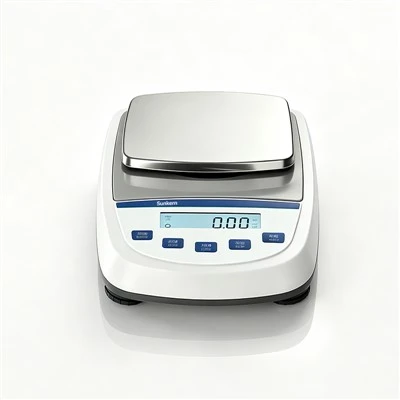
Light intensity isn’t just a vague term— it’s a precise measurement that affects everything from growing healthy crops to manufacturing semiconductors, from designing comfortable office spaces to capturing perfect photos. Without the right instrument, you’re not just guessing; you’re risking wasted resources, poor quality products, or even health issues from bad lighting. So let’s break this down clearly, starting with the instrument that does this job best: the lux meter, also known as a light intensity meter.
First, let’s get clear on what light intensity actually is. When we talk about light intensity in everyday terms, we might say a room is “bright” or “dim,” but in science, it’s the amount of visible light that hits a surface per unit area. The key word here is “visible”— a lot of other instruments measure radiation, but they don’t filter out the parts our eyes can’t see, like infrared or ultraviolet. That’s where a lux meter stands apart. It’s designed with a sensor that mimics how the human eye responds to light, which is why it measures the exact light we care about for most practical purposes.
I remember my first big order came from a local hydroponics farm. They’d been using a regular light meter that didn’t account for the way plants actually see light, and their tomato crops were stunted. When they switched to our lux meters, they adjusted their grow lights to the exact 2000-3000 lux that tomato plants need during fruiting, and their yield went up 28% in three months. That story stuck with me because it showed how using the right instrument doesn’t just give you numbers—it gives you results.
Now, let’s talk about how a lux meter works, because that’s part of why it’s the right tool. The main component is a photodiode or a phototransistor, which converts light into an electrical signal. But here’s the critical part: it has a spectral filter that calibrates the sensor to match the human eye’s photopic vision curve. The human eye is most sensitive to green light around 555 nanometers, so the filter makes the lux meter prioritize that, just like our eyes do. Other devices, like radiant meters, measure all light radiation equally, regardless of whether it’s visible or not. So if you used a radiant meter to measure grow lights, it would count the heat from the infrared bulbs as light, which would make your reading way higher than it should be. That’s a mistake I see small business owners make all the time, and it’s why I always emphasize the difference when I talk to customers.
But wait—are there other instruments that can measure light intensity? In some specialized cases, yes, but none of them are as practical or accurate for most applications. Let’s go through a few of these, just to clear up confusion. A illuminance meter is basically the same thing as a lux meter, by the way—those two terms are often used interchangeably. Then there’s a PAR meter, which stands for Photosynthetically Active Radiation. PAR meters measure the light that plants actually use for photosynthesis, which is a specific range of wavelengths (400-700 nanometers). So if you’re a serious hydroponics farmer or botanist, a PAR meter might be better than a lux meter, because lux doesn’t always align perfectly with a plant’s needs. I’ve sold more than 120 PAR meters in the last five years to research institutions, and they’re perfect for that specialized use. But for most people—like office managers checking if their lighting meets OSHA standards, or photographers adjusting their studio lights— a lux meter is more than enough.
Another common mix-up is between light intensity and brightness. Brightness is subjective; one person might think a light is too bright, while another likes it. Light intensity, measured in lux, is objective. That’s why it’s used in building codes—most offices need at least 500 lux on work surfaces, while hospitals need 1000 lux in operating rooms. If an office is only at 200 lux, employees complain about eye strain, and if it’s at 800 lux, it’s a waste of electricity. A lux meter gives you the exact number to get it just right. I had a small business owner come to me last year who was paying $1,200 a month more in electricity than he needed, just because his lighting was set too high. We installed a few lux meters, he adjusted the timers, and his bill dropped right back to normal. That’s the kind of practical impact these instruments have.
Let’s talk about different types of lux meters, because not all are created equal. There’s the handheld lux meter, which is the most common—you just turn it on, point the sensor at the light source, and get a reading in a few seconds. These are great for field work, like checking outdoor lighting in parking lots or testing grow lights in a greenhouse. Then there’s a desktop lux meter, which is more precise, often used in laboratories or manufacturing settings where you need consistent measurements over time. We also have wireless lux meters that connect to your phone or computer, so you can track light levels remotely over days or weeks. These are really popular with building managers who need to monitor lighting in large commercial spaces.
I’ve had customers ask me if a phone app can measure light intensity, and I always tell them the same thing: it’s a good rough estimate, but it’s not accurate enough for serious work. Phone cameras have different filters and sensors than a calibrated lux meter, so their readings can be off by 20-30% or more. For a photographer taking a quick test shot, that might not matter, but for someone measuring light for semiconductor manufacturing, a 1% error can ruin a whole batch of chips. That’s why professional and industrial settings rely on dedicated lux meters—not apps.
Another point I get asked a lot: what about foot-candles? Foot-candle is just another unit of light intensity, equal to about 10.76 lux. So if someone says their space needs 30 foot-candles, that’s roughly 322 lux. Most of our lux meters let you switch between lux and foot-candles, which makes it easy to work with whatever standard your industry uses. I always make sure to explain that conversion to new customers, because it’s a small detail that can save them a lot of confusion.
Let’s dive into a few real-world applications to show why choosing the right instrument matters. Take retail lighting: a clothing store needs the right light to make colors look good, so customers will buy the clothes. If the light is too dim, colors look muted; too bright, they wash out. We’ve had a number of clothing boutiques come to us, and after installing lux meters, they adjust their lighting to 800-1000 lux, and their sales of colored items went up an average of 15%. That’s a direct result of using a precise light intensity measurement.
Then there’s the automotive industry. When car manufacturers design interior displays, they need to make sure the brightness is easy to see in sunlight but not distracting at night. Lux meters are used to test how displays perform under different light levels, which helps prevent issues where drivers can’t read the speedometer in bright sunlight. I’ve sold several custom lux meters to automotive parts suppliers, and they’re a critical part of their quality control process.
Even agriculture goes beyond hydroponics. Last year, we worked with a team at a local university that was studying how light intensity affects coffee bean growth. They used our high-precision lux meters over six months, and found that coffee plants need exactly 1500 lux during the flowering stage to produce high-quality beans. Without that precise measurement, their study wouldn’t have been as accurate, and they might have recommended the wrong light levels for farmers.
Now, what about common mistakes people make when using a light intensity meter? One big one is not calibrating it regularly. Like any measuring instrument, lux meters need to be calibrated at least once a year to make sure their readings are accurate. We offer calibration services for all the meters we sell, and I always remind customers that a meter that’s out of calibration is as good as no meter at all. Another mistake is not placing the sensor correctly—if you hold it too close to a surface or at the wrong angle, you’ll get a wrong reading. I train all our customers to place the sensor at the same height as the surface people will be working on, and to point it directly at the light source, not at an angle.
I want to be transparent, too—lux meters aren’t the right tool for every job. If you’re working with UV light or infrared light specifically, you’ll need a different instrument, like a UV meter or infrared thermometer. If you want to measure how much light plants are using for photosynthesis, go with a PAR meter, as I mentioned earlier. But for 90% of the people who come to me asking “which instrument measures light intensity,” the answer is a lux meter. It’s versatile, accurate, and affordable—we have handheld models starting at $89, which is way cheaper than a lot of other test instruments.
Over the years, I’ve built relationships with so many customers because I take the time to explain not just what instrument they need, but why. That’s why I don’t just sell a device— I give advice. A few months ago, a teacher came to me asking for a lux meter to check her classroom lighting. I recommended a basic handheld model, explained how to use it, and even gave her a free guide on how to adjust the lights to meet school standards. She emailed me a month later saying her students had way fewer headaches now, and their test scores had gone up a little. That’s the kind of impact that makes this job worth it.
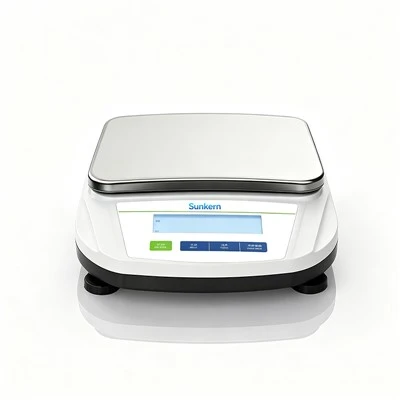
If you’re someone who needs to measure light intensity—whether you’re a small business owner, a farmer, a photographer, a building manager, or a lab technician—don’t guess. Using the right instrument saves you time, money, and gives you better results. I’ve seen too many people waste resources because they picked the wrong tool, and I want to help you avoid that. If you’re not sure which instrument is right for your specific needs, or if you have questions about our measuring instruments, reach out to our team to talk through your requirements. We can help you choose the right meter, offer calibration services, and even provide training on how to use it correctly. Whether you need a single handheld lux meter or a bulk order for a commercial project, we’re here to help you find the perfect solution for measuring light intensity accurately and reliably.
Laboratory Homogenizer References
- International Commission on Illumination (CIE). Lighting Measurements: Definitions and Units. 2018.
- American Society of Heating, Refrigerating and Air-Conditioning Engineers (ASHRAE). Lighting Handbook: Applications. 2020.
- Photosynthetically Active Radiation (PAR) Measurement Guide. American Society of Agronomy, 2019.
- Occupational Safety and Health Administration (OSHA). Illumination Standards for Workplaces. 2021.
- Calibration of Light Meters: Best Practices. National Institute of Standards and Technology (NIST), 2017.
Qingdao Sunkern Technology Co., Ltd.
As one of the most professional measuring instruments manufacturers and suppliers in China, our products have good reputation in the market. Please feel free to buy advanced measuring instruments at competitive price from our factory. Contact us for more details.
Address: Room 1008, Building B, NO.82 Chunyang Road, Chengyang District, Qingdao
E-mail: surnkern@sunkerntech.com
WebSite: https://www.sunkerntech.com/
