If you’ve ever stood in a garden supply shop, heard a neighbor rant about bagging 50 pounds of wet clippings every mowing weekend, or stared at a pile of overgrown hedge trimmings that’s too bulky to toss in a regular trash bin, chances are you’ve crossed paths with a grass shredder. As someone who’s spent the last 12 years selling these machines, I can tell you they’re way more than just a backyard convenience. They’re a quiet workhorse that turns garden waste from a headache into a resource—if you understand how they actually work. Most people see a chunk of metal, a cord, or an engine, and assume it’s just a blender for grass. But there’s a lot of engineering that goes into turning 6-inch blades of grass, small twigs, and even fallen leaves into the fine, crumbly mulch that makes vegetable gardens thrive and lawns look lush. Today, I’m breaking down how these machines operate, why the details matter when you’re picking one, and how to get the most out of yours. Grass Shredder
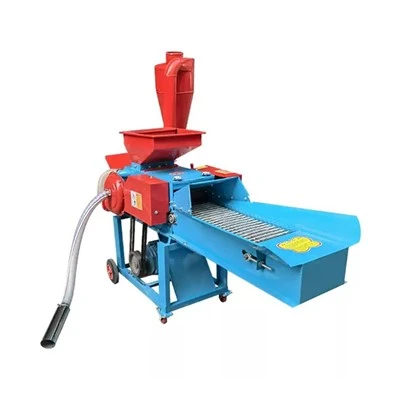
Let’s start with the basics: what a grass shredder actually is, and how it’s different from a lawnmower or a chipper-shredder. A lawnmower cuts grass and ejects it, either out the side or into a bag, but it doesn’t reduce the material’s size beyond what fits in a wheelbarrow. A chipper-shredder handles larger branches (up to 2 inches thick) but can also process grass, though it’s overkill for small yards and tends to make a bigger mess. A dedicated grass shredder, by contrast, is built exclusively to process soft, fibrous plant material—fresh grass clippings, dead leaves, small weed stalks, and light hedge trimmings—into a consistent, fine texture. That specificity is why they’re lighter, quieter, and more efficient for residential or small commercial spaces.
At the core of every grass shredder are three key parts that make the magic happen: the feed system, the cutting mechanism, and the collection or discharge system. Let’s walk through each step, because how these parts work together is what determines whether your shredder will get the job done or clog halfway through a bag.
First, the feed system. This is what moves your grass, leaves, or trimmings into the machine’s cutting chamber. For most residential models, this is a simple hopper: a wide, funnel-shaped opening at the top or side of the unit, sized just enough to accept a handful of clippings or a handful of small leaves. The best hoppers have a textured interior and a small safety tab—usually a plastic or metal rod you have to press before you can start the machine—because loose clothing or hands can get pulled in if you’re not paying attention. Commercial models, for properties that process more than a few bags of grass a week, often have a larger hopper, sometimes with a built-in auger or a pusher bar that gently feeds material into the cutting chamber. That’s a big difference: when you’re processing 10 pounds of leaves at once, an auger prevents you from shoveling too much material in at once, which causes clogs. Clogs are the number one complaint I hear from new shredder owners, and 9 times out of 10, they’re caused by not matching your feed system to the material you’re using. If you try to stuff 10 pounds of wet clippings into a small, push-only hopper, they’ll clump together and stick to the blades instead of being cut.
Next, the cutting mechanism—this is the heart of the shredder, and it’s where most of the variation between models comes in. There are two main types of cutting systems: blade-style shredders and hammer-style shredders. Let’s break both down, because which one you choose depends on what you’re shredding.
Blade-style shredders are the most common for residential use, and they’re simpler to understand. Instead of sharp, spinning blades like a kitchen blender, they have 2 to 4 heavy-duty steel blades mounted to a horizontal or vertical shaft inside the cutting chamber. When the machine turns on, the shaft spins at 2,500 to 3,000 RPM (revolutions per minute)—fast enough to catch grass as it’s fed in, cut it into small pieces, and fling it against the inside of the chamber. The chamber’s walls are lined with a metal grate or screen with small holes, so only pieces small enough to fit through the holes fall out into the collection bag or bin below. That’s the key: the screen controls the final size of your mulch. If you want finer mulch, you use a screen with smaller holes; if you don’t mind slightly larger pieces (great for filling gaps in garden beds), you swap out the screen for a larger one. This design works great for fresh grass clippings, soft leaves, and small weed stalks because the blades slice through fibrous material easily. But it has a limitation: blade-style shredders struggle with wet, clumpy grass, because the blades can get gummed up with moist material instead of cutting it. That’s why you’ll often hear them referred to as “grass mulchers” rather than general shredders.
Hammer-style shredders, on the other hand, use a set of free-swinging metal hammers (think of small, heavy metal paddles) instead of fixed blades. These hammers are mounted to a spinning shaft, and when the shaft turns, they swing out thanks to centrifugal force. When you feed material into the chamber, the hammers strike it repeatedly, not just once or twice, to break it down. Like blade-style shredders, they have a screen that controls the final size, but they’re far more effective at processing wet clumps because the hammers don’t get stuck the way fixed blades do. I sell a lot of hammer-style shredders to small landscaping crews, because they can process a mix of grass, leaves, and small hedge trimmings in one pass without slowing down. The downside? They’re heavier, louder, and more expensive than blade-style models, so they’re overkill for someone who only shreds a few bags of leaves a year.
A common misconception I run into is that higher RPM means a better shredder. That’s not true. Blade-style shredders work well at 2,500 RPM, because too high and the blades will chop grass too small, turning it into dust that clumps in the bag. Hammer-style shredders usually run a bit slower, around 1,800 to 2,200 RPM, because the hammers need time to break down material with multiple strikes, not just a fast single cut. The power source matters too: residential shredders are either electric (corded or cordless) or gas-powered. Corded electric models are light, quiet, and cheap, perfect for small yards under ¼ acre. Cordless models have improved a lot in the last five years, but they’re still not powerful enough for processing large volumes of wet grass clippings. Gas-powered shredders are the workhorses for commercial use, with 5 to 10 horsepower engines that can run for hours without needing a charge or a cord.
Once the cutting system has broken down the material to the right size, the discharge system takes over. For most residential models, this is a simple chute that feeds into a attached collection bag made of breathable fabric. That’s important: if the bag is not breathable, the mulch will get wet and moldy, which is useless for gardening. Some higher-end models have a blow-through design, where the air movement from the cutting chamber fluffs the mulch as it’s discharged, which prevents clumps. A bad discharge system is another common source of frustration: if the chute is too narrow, mulch will get stuck as it exits, and if the bag is too small, you’ll be emptying it every 10 minutes. I always advise customers to get a shredder with a bag at least twice the size of their lawn’s annual clipping production—for a ½ acre lawn, that’s a 30-gallon bag minimum.
Now, let’s talk about what happens after the shredder does its work, because that’s why all this engineering matters. The mulch you get from a grass shredder isn’t just waste—it’s a valuable amendment for your soil. Fresh grass clippings, for example, have a high nitrogen content, which is great for feeding lawns, but if you add too much unshredded clippings to a garden bed, they’ll mat down and block air from reaching plant roots. Shredded clippings break down in 2 to 4 weeks, releasing nitrogen slowly, and the fine texture improves soil drainage and water retention. I’ve had customers tell me they used to pay $50 a bag for commercial mulch, and now they make their own for free with a $200 shredder. That’s a big win, but only if you know how to use the shredder correctly to get the right mulch.
That brings me to some tips I’ve picked up over the years to keep your shredder working well. First, never shred material that’s too thick for your machine. If you try to put a ½-inch thick twig into a residential shredder, you’ll either clog the blades or break them. Second, dry grass clippings are way easier to process than wet ones. If it rained the night before mowing, let the clippings sit out for a day before shredding—they’ll break down faster and won’t clog your machine. Third, clean the cutting chamber after every use. Grass sap and moisture can build up on the blades and screen, which makes the machine work harder and cuts down its lifespan. A quick wipe with a dry cloth after each use goes a long way.
I also see a lot of customers making the mistake of buying the cheapest shredder they can find. A $100 shredder might work for a month, but the blades will dull, the hopper will crack, and it will clog after every few bags. A mid-tier residential shredder, between $200 and $400, will last 5 to 7 years with regular use, and a commercial model will last 10 years or more. At the end of the day, a shredder is an investment that saves you time and money on trash bags and fertilizer, so spending a bit more upfront is worth it.
If you’re in the market for a grass shredder, don’t just look at the specs. Ask yourself: what will you be shredding? How large is your yard? Do you need something that can handle large volumes, or just occasional leaf piles? I always tell new customers to demo a machine if they can, but if you’re buying online, read reviews from other people who have similar needs. Most of all, don’t be afraid to reach out if you have questions—whether you’re a homeowner with a small lawn or a landscaping crew that needs to process 50 bags of clippings a week.
If you’re ready to upgrade your garden routine, cut down on waste, and stop hauling heavy bags of grass clippings to the curb, we’re here to help you find the right shredder for your needs. Contact our team today to discuss your requirements, get a custom recommendation, and arrange for a trial if you’re local. We’re happy to answer questions about cutting systems, power sources, and maintenance to make sure you get a machine that works for you.
Chaff Cutter References
- American Society of Agricultural and Biological Engineers. "Agricultural Equipment Standards: Grass Shredders and Mulchers." ASABE Annual Meeting Proceedings, 2021.
- University of California Agriculture and Natural Resources. "Garden Waste Management: Composting and Mulching with Grass Clippings." Publication 21501, 2022.
- Lawn & Garden Equipment Manufacturers Association. "Residential Shredder Performance and Durability Guidelines." 2020.
- Horticulture Science Journal. "Effects of Shredded Grass Mulch on Soil Health and Plant Growth." Volume 45, Issue 2, 2023.
Zhengzhou Xinyihaotong Machinery Manufacturing Co., Ltd.
As one of the most professional grass shredder manufacturers in China, we also support custom service. We warmly welcome you to buy high quality grass shredder for sale here from our factory. For price consultation, contact us.
Address: Rooms 2301–2312, Jiayi Building, Xinxiang City, Henan Province, China
E-mail: zhaoyixuan5566@gmail.com
WebSite: https://www.xyhtmachinery.com/
