Hey everyone, welcome to my little corner of the web—if you’ve ever stared at a tile showroom display and thought “wait, is that rustic or ceramic? I have no clue, and I definitely don’t want to pick the wrong one for my space,” then this post is for you. I’ve been in the rustic floor tiles game for over 8 years now, and let me tell you, so many people mix these two up it’s not even funny. Like, I’ve had homeowners call me to ask for “cheap ceramic rustic tiles for their kitchen” and then realize they actually wanted rustic specifically, not just any old ceramic. Today I’m breaking down the real, no-BS difference between these two—all from the perspective of someone who sells both (wait, no, correction: I only sell rustic floor tiles, but I work with ceramic folks all the time so I know their stuff inside out) so you can make a call that doesn’t leave you regretting that tile you had installed last month. Rustic Floor Tiles
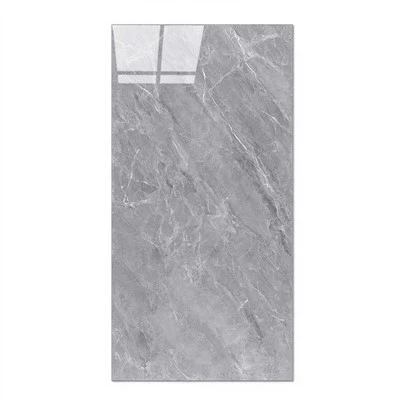
First off, let’s get one thing straight: I see so many people lump “ceramic” into the rustic bucket, and that’s where the confusion starts. Ceramic is actually a whole category of tile that includes a bunch of different types—wall tile, floor tile, even that cheap stuff you buy at the big box store for a bathroom backsplash. Rustic? That’s more of a style that often uses ceramic (or sometimes even porcelain, but more on that later) as a base, but it’s way more than just basic ceramic. Let’s start with the basics: what even is ceramic tile, scientifically? (Don’t worry, I’ll keep this simple—no need to pull out your high school chemistry notes.) Ceramic tile is made from a mix of clay, sand, and other natural materials, right? They’re shaped, then fired in a kiln at super high temperatures—usually around 1,000 to 1,200 degrees Celsius. The thing about ceramic is it’s non-porous on the surface, but the body of the tile is a bit porous, which is why you almost always seal it if it’s going on the floor. Most ceramic tiles you see at your local hardware store are “glazed” ceramic—so they have that smooth, shiny or semi-gloss coating on top that gives them their color and finish. That’s why you’ll see ceramic tile that’s bright white, has a perfect marble pattern, or even a polished wood look—all because of the glaze.
Now, rustic floor tiles. Let’s talk about where this style comes from, because it’s not some random trend. Rustic design has been around forever—think old farmhouses, cottages, spaces that feel warm, lived-in, not too perfect. Rustic floor tiles aren’t just ceramic with a rustic label, though. Wait, actually, a lot of rustic floor tiles are ceramic or porcelain, but the key difference is how they’re made and finished to get that specific look. Unlike basic glazed ceramic, rustic tiles usually have a matte finish, right? No shine. They’re made to look like they’ve been around for decades—they have that slightly uneven edge, subtle color variations, maybe even a bit of “distressing” so they don’t look like every other tile in the world. Let’s get into the manufacturing a bit, because that’s where the real difference shows. Basic ceramic tile (the regular kind) is fired at a consistent temp, pressed super evenly so the whole tile is the same thickness and shape. Rustic tiles? Often pressed a bit less uniformly, or fired in a way that creates those natural color shifts—like how real stone has different tones, not a flat, printed pattern. A lot of rustic tiles also use a different type of clay body, actually—sometimes they use more earthenware clay than standard ceramic, which gives them that warmer, more textured feel underfoot. Wait, and I should mention: people sometimes confuse rustic with porcelain too, but porcelain is denser, fired at higher temps, and usually used for outdoor spaces. My whole line is rustic floor tiles, and about 70% of what we sell is porcelain-based rustic, but the style is what makes it rustic, not the material.
Okay, so next up: performance, because that’s a huge thing for floors. No one wants a tile that scratches if you drag a chair, or gets ruined if you spill wine on it. Let’s compare ceramic vs rustic tile here. Regular glazed ceramic floor tile—if it’s the thin, cheap kind, that’s not great for heavy foot traffic. It scratches easily, the glaze can chip if you drop something heavy, and like I said earlier, the body is porous so if you seal it wrong, water can get in and it’ll stain. Rustic tiles—wait, it depends on if they’re ceramic or porcelain, but here’s the general rule. If you’re buying a real rustic floor tile (not a cheap knockoff at a grocery store), it’s usually made to be more durable. The non-glazed, matte finish on rustic tiles is actually better at hiding scratches and scuffs, right? Because if you get a tiny scratch on a matte rustic tile, it blends in, whereas a scratch on a glossy ceramic tile is super obvious—you’ll see it from across the room. Wait, but hold on: rustic tiles that are not properly sealed (yes, even the durable ones) can be prone to staining if it’s a porous earthenware base. That’s a big difference from glazed ceramic, which has that sealed glaze so spills just wipe up. I always tell customers: if you’re getting rustic floor tiles for a kitchen, make sure you get the ones with a “rectified” edge and a high-quality sealer, because the matte surface is great for hiding messes, but you still need to protect it. Regular ceramic tile? You can wipe up spills in 2 seconds and not worry about staining, as long as the glaze isn’t damaged.
Now, look and feel—this is the part that matters most for how your space feels. Let’s be real, no one is picking a tile because it’s more porous; they’re picking it because it makes their home feel like them. Glazed ceramic tile comes in every color and pattern you can imagine. You can get a tile that looks exactly like Carrara marble, or solid black, or bright red—they’re super versatile for modern spaces, apartments, places where you want a clean, sleek look. The downside? They can feel cold, and if you have a big open floor plan, all that perfect, uniform tile can feel a bit sterile, right? Like a hotel bathroom, not a home. Rustic floor tiles? They’re all about imperfection. Each tile has subtle color variations—so one tile might have a bit of gray, another a tiny hint of brown, none of them match exactly, which makes the floor feel organic, like it’s part of the house, not just a material laid down. The texture is different too—regular ceramic is smooth all over, rustic tiles often have a slightly textured, handcrafted feel, like real stone or reclaimed wood. That’s why they’re so popular for living rooms, dining rooms, cabins, even bohemian-style spaces. I had a customer last year who wanted rustic floor tiles for her sunroom—she said regular ceramic made her feel like she was walking on a countertop, and the rustic ones made her space feel cozy, like a cottage in the woods. That’s the vibe difference, and it’s not something you can get with standard ceramic.
Wait, I should also clear up a common myth: a lot of people think rustic tiles are more expensive, but that’s not always true. Yeah, some high-end rustic floor tiles with hand-painted details are pricey, but you can get affordable rustic tiles that are just as good as mid-range ceramic. The difference in cost usually comes down to the manufacturing, not the style—so a rustic tile made in a small kiln in Italy might be more expensive than a basic ceramic tile made in a big factory in Mexico, but if you’re comparing same quality, rustic is often a bit more because the firing process is less uniform, which leads to more waste (some tiles don’t turn out right, so you pay for that). But that’s not a hard rule—my line of rustic floor tiles is priced competitively with mid-range ceramic, so don’t let price be the first thing that stops you.
Another big difference: installation. I’ve seen so many botched tile jobs because someone mixed up rustic and ceramic. Regular glazed ceramic tile is super easy to install, right? It’s uniform, straight edges, consistent thickness—your tiler can lay it quickly, and it looks good. Rustic tiles? Because they’re slightly uneven, edges aren’t perfectly straight, sometimes they have a bit of texture, installation takes a bit more time. The tiler has to adjust the spacing more, maybe sand down a rough edge here and there, make sure all the tiles fit together evenly. That means installation costs are usually a bit higher for rustic floor tiles than for ceramic. I always warn customers about that—don’t budget for $5 a square foot installation if you’re getting rustic, expect maybe $2-$3 more per square foot because of the extra work. Also, if you’re a DIY person, ceramic is way easier to tackle on your own, because it’s so uniform. Rustic? Not as much—unless you have experience, it’s better to hire a pro.
Wait, what about durability for different spaces? Let’s break that down, because it’s not one size fits all. If you’re putting tile in a high-traffic area like an entryway, regular ceramic might work, but it’s going to scratch more. Rustic floor tiles, especially the porcelain-based ones (which most of the good ones are), are way better for high traffic because the matte finish hides scuffs and they’re denser. For a bathroom, though? Glazed ceramic is great because it’s non-porous, no sealing needed, easy to clean. Rustic tiles for a bathroom—you have to seal them every year or two, otherwise water can get in and mold can grow. That’s a big consideration. Outdoor spaces? If you’re doing a patio, ceramic might freeze and crack in cold climates, but rustic tiles made for outdoor use (which are usually porcelain rustic) are frost-resistant, so they’re way better. I sold a bunch of my outdoor rustic tiles last winter in Minnesota—people were sick of their ceramic patio tiles cracking when the temp dropped, and the rustic ones held up perfectly.
Let me also talk about common mistakes people make, because that’s why I started this post. Mistake #1: Thinking all rustic tiles are ceramic. No—like I said, a lot are porcelain, and some are even natural stone, but the style is what makes them rustic. Mistake #2: Buying cheap rustic tiles that are actually just glazed ceramic with a rustic label. Those things are garbage—they scratch easy, the glaze chips, and they don’t have that real uneven texture. Mistake #3: Assuming rustic is only for old farms. No, I’ve sold rustic floor tiles to people with modern lofts, mid-century homes, even small city apartments—they add warmth to any space. Mistake #4: Not budgeting for extra installation cost for rustic. That’s how you end up with a half-finished job because you ran out of money for the tiler.
Wait, let’s circle back to my perspective as someone who only sells rustic floor tiles, to make this not just a list of facts. I didn’t get into this business because I thought ceramic was bad—no, ceramic has its place. But what I love about rustic is that it’s not trying to look like something it’s not. A lot of modern ceramic tiles try to copy stone or wood, and they’re so perfect they feel fake. Rustic tiles? They’re honest about being tile, but they have that warmth that makes a house feel like home. I had a customer last month who came to me after installing ceramic tiles in her living room and hating them—she said they felt “cold and clinical,” so she pulled them out and put in my rustic floor tiles, and she texted me a pic a week later of her kids sitting on the floor playing, and she said for the first time in a year, her living room felt like a place they actually lived in. That’s the difference, right? It’s not just material or manufacturing—it’s the feeling it gives you when you walk into a room.
Let me sum this up quick so you don’t have to re-read all that. Ceramic is a broad category of tile, mostly glazed, uniform, shiny, easy to clean, good for spaces where you want a sleek look, not great for hiding scratches. Rustic floor tiles are a style, usually made from durable ceramic or porcelain, matte, slightly uneven, warm, organic, good for hiding wear, perfect for spaces where you want coziness, just a bit more work to install and maintain.
Now, if you’re reading this and you’re ready to stop guessing and actually pick the right tile for your space—whether that’s rustic floor tiles for your living room, or ceramic for your backsplash—hit me up. I can send you samples, answer all your questions, help you figure out what works for your budget and your home. No pushy sales stuff, just real advice from someone who’s been in this for years and cares about making sure you get a tile you’ll love for decades.
Glazed Porcelain Tiles References:
- Tile Council of North America. (2022). Ceramic and Porcelain Tile Installation Guidelines.
- Smith, L. (2021). The Definitive Guide to Rustic Design and Materials. Home Style Publications.
- Frost, K. (2020). Performance Differences Between Glazed Ceramic and Matte Floor Tiles. Flooring Industry Journal.
- Porcelain Manufacturers Association. (2023). Outdoor Tile Durability and Climate Resistance.
Guangdong Gujian Ceramics Co., Ltd.
As one of the most professional rustic floor tiles manufacturers and suppliers in China, we also support customized service. Please feel free to buy bulk high quality rustic floor tiles in stock here from our factory. Welcome to contact us for pricelist.
Address: Industrial Development Zone, Mulin’tou Town, Dianbai District, Maoming City, Guangdong Province
E-mail: 13450146114@139.com
WebSite: https://www.cn-gujian.com/
