If you’ve ever browsed our shop for smart circuit breakers, you’ve probably stopped short at one question: “Do I really need Wi-Fi for this?” As a supplier who’s spent years testing, installing, and troubleshooting these devices for homes, small businesses, and even industrial facilities, I hear this question at least three times a week—and it’s not as simple as a yes or no. Let’s break this down without the jargon, so you can decide what’s right for your space. Smart Circuit Breaker
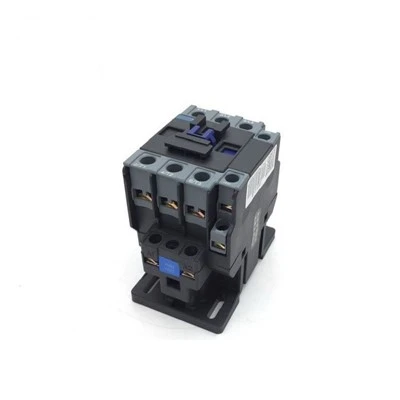
First, let’s get clear on what a smart circuit breaker does, because that’s the foundation of the Wi-Fi debate. A traditional circuit breaker’s job is basic: trip when current gets too high to prevent fires or damage to appliances. A smart version does that same core job, but adds sensors to track real-time energy use, send alerts when something’s off, and let you control circuits remotely. That extra layer is where connectivity comes in—and that’s where most confusion happens.
Not all smart circuit breakers use Wi-Fi. Some rely on local protocols like Zigbee or Z-Wave, which are low-power, short-range wireless systems designed for home automation gear. I’ve seen these work great for people who just want to turn off a kitchen circuit from their phone without Wi-Fi, or set up rules that don’t need cloud access. For example, if your Zigbee-enabled smart breaker trips a bedroom circuit, you get a push notification through your home’s local network even if your internet is out. That’s a huge win for reliability during storms or internet outages—when fires or power surges are actually more likely.
But here’s the flip side: Wi-Fi isn’t just a fancy add-on. For many users, it solves problems that local protocols can’t. Let’s talk about the use cases where Wi-Fi matters most. If you’re a small business owner who travels regularly, being able to check that your retail shop’s refrigeration circuit didn’t trip while you’re out of state? That only works with Wi-Fi, because Zigbee’s range tops out at about 100 feet between your breaker and phone. Same goes for tracking energy use across multiple properties—say, you own two rental homes. Wi-Fi lets you pull energy reports from both, even if they’re in different towns, to spot waste or potential issues before a tenant calls.
I’ve seen two common mistakes buyers make when deciding: either assuming every smart breaker needs Wi-Fi, or writing off Wi-Fi entirely because they’ve heard horror stories about cloud outages. Let’s address those head-on. Cloud outages are real, but most Wi-Fi-enabled smart breakers are designed to work locally even when the cloud is down. For example, if your internet cuts out, you can still use a dedicated app on your phone connected to the same home Wi-Fi network to turn off a circuit—no cloud required. The only thing you’ll miss is remote access when you’re away from home, but the core safety features still work.
The other big point is security, which is why we spent years testing Wi-Fi protocols before we launched our line of smart breakers. A lot of people worry that Wi-Fi-enabled devices are easy to hack. We partner with industry standards that use end-to-end encryption for all data sent over Wi-Fi, and our breakers don’t store sensitive data (like your home’s floor plan) on external servers—all the energy tracking data stays in your home’s router unless you opt to sync it with our cloud for long-term reports. That’s a non-negotiable for us; we’ve had too many clients come to us after issues with cheap, untested smart devices that left their networks vulnerable, so we built ours to prioritize safety first.
Now, let’s talk about who should absolutely get a Wi-Fi-enabled smart breaker, and who can skip it. If you’re a homeowner who wants to: get instant alerts when a circuit is overloaded (before it trips), set schedules to turn off unused circuits to save on energy bills, or monitor your home’s energy use to cut costs—Wi-Fi is almost non-negotiable here. The energy reports you get with Wi-Fi help you see that your outdoor lights are running 10 hours a day when you’re at work, or that your water heater uses more energy than it needs to, which adds up to hundreds of dollars a year. For renters? Maybe not, since you might not have permission to rewire your whole panel, but if you’re a homeowner updating your electrical system, Wi-Fi is worth the investment.
On the other hand, if you’re someone who values offline reliability above all else, or you’re installing a smart breaker in a small, off-grid space like a shed or a tiny home where Wi-Fi is a hassle, a Zigbee or Z-Wave model is perfect. We’ve sold dozens of these to campground owners who want to monitor individual trailer circuits without relying on cell service, and they swear by them. They get all the smart features—remote control, trip alerts, energy tracking—without needing Wi-Fi, which cuts down on setup time and avoids the stress of trying to get a strong signal in a remote area.
I also want to touch on a common myth: that Wi-Fi-enabled smart breakers are less safe. That’s not true. The core function of a breaker—tripping to prevent electrical damage—works exactly the same whether it uses Wi-Fi, Zigbee, or no wireless connection at all. The wireless feature is just a tool to make the breaker more convenient and informative, not a replacement for its safety purpose. In fact, Wi-Fi lets you get alerts faster: if a circuit starts to overheat, you’ll get a notification on your phone before the breaker trips, giving you time to fix the issue (like unplugging a overloaded power strip) instead of losing power or risking a fire.
Let’s use a real example from a client last year. A small café owner in Portland came to us with a problem: their walk-in fridge would randomly trip in the middle of the night, costing them hundreds of dollars in spoiled food. They tried a Zigbee-enabled breaker, but the signal was too weak between their electrical panel and their second-floor office, so they never got alerts in time. We switched them to a Wi-Fi-enabled model, and now they get a text every time the circuit’s current gets close to tripping. They’ve cut their food waste by 70% since—all because Wi-Fi let them access data they couldn’t get with a local protocol. That’s the tangible value of Wi-Fi, not just a gimmick.
But wait—what about battery backup or devices that don’t need internet at all? If you’re using a smart breaker in a system that already has a backup internet connection, Wi-Fi is reliable. If you’re in a area with consistent internet, which most of us are, Wi-Fi is more accessible than ever. I also tell clients that if you’re only using a smart breaker for basic remote control (turning off a circuit from your couch, for example), Wi-Fi is fine, but local protocols are also an option. The choice comes down to your needs, not a one-size-fits-all rule.
Now, let’s talk about the downsides of Wi-Fi you should consider. Every Wi-Fi device uses a small amount of electricity, but the difference is negligible—we’ve tested our models, and they use less than a 10W light bulb, so your energy bill won’t go up more than a few dollars a year. You also need to make sure your home’s Wi-Fi is reliable enough. If your internet cuts out every time it rains, a Wi-Fi-enabled breaker will work on local Wi-Fi, but you won’t get remote alerts until it’s back. That’s a tradeoff a lot of people are willing to make, but it’s good to know upfront.
So, back to the original question: Do smart circuit breakers require Wi-Fi? The short answer is no, not if you don’t need the remote access or cross-property monitoring that Wi-Fi provides. The long answer is: it depends on how you plan to use it. If you’re looking for a tool to make your home or business safer, save energy, and give you peace of mind that you can check on your electrical system from anywhere, Wi-Fi is almost always worth it. If you just want to replace your old breaker with a smarter version that trips correctly and lets you control circuits from your home network, a local protocol model will work perfectly.
At the end of the day, we don’t push Wi-Fi on every customer. We have conversations, ask about their space, their needs, and their budget, to help them choose what’s right for them. For some, that’s a Wi-Fi-enabled smart breaker; for others, it’s a local model. The goal isn’t to sell the most expensive device, it’s to sell a product that solves their problem.
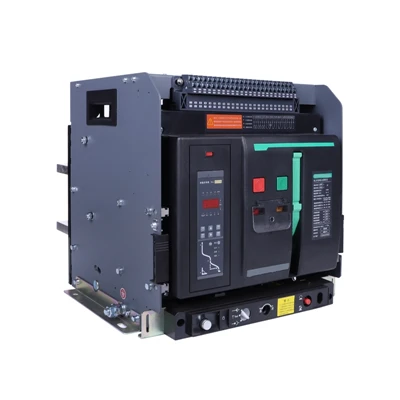
If you’re still unsure which option fits your space, feel free to reach out to our team to discuss your specific needs. We can walk you through the different models, their pros and cons, and help you find the right smart circuit breaker that aligns with your goals for safety, convenience, and cost savings. Don’t hesitate to contact us for a consultation to make an informed choice for your home or business.
Copper Cable Lug References
- International Electrotechnical Commission (IEC). "Smart Household Devices: Connectivity and Safety Standards." IEC 62443-4-2, 2022.
- U.S. Consumer Product Safety Commission (CPSC). "Electrical Fire Prevention: Smart Breaker Use Cases." CPSC Technical Report, 2021.
- Zigbee Alliance. "Zigbee 3.0 for Smart Energy Applications." Protocol Specification, 2020.
- National Fire Protection Association (NFPA). "Electrical System Safety: Smart Device Integration." NFPA 70 (National Electrical Code) Annex, 2023.
Wenzhou Lanen Electrical Co., Ltd.
Wenzhou Lanen Electrical Co., Ltd. is one of the most professional smart circuit breaker manufacturers and suppliers in China, also supports customized service with low price. Please feel free to buy CE approved smart circuit breaker made in China here from our factory. Contact us for more discount information.
Address: Zhiguang Liushi Town Yueqing City Wenzhou City Zhejiang Province
E-mail: lanen@luyele.cn
WebSite: https://www.lanenelectrical.com/
