If you’ve ever shopped for structural steel, you’ve probably heard two terms thrown around: round steel pipe and HSS (hollow structural section). At our place, we work with round steel pipe every single day, and I’ve seen so many folks mix these two up that I figured a straight talk post was long overdue. No stuffy engineering jargon, just what actually matters when you’re picking one for your project—whether it’s a fence, a framework, whatever. Round Steel Pipe
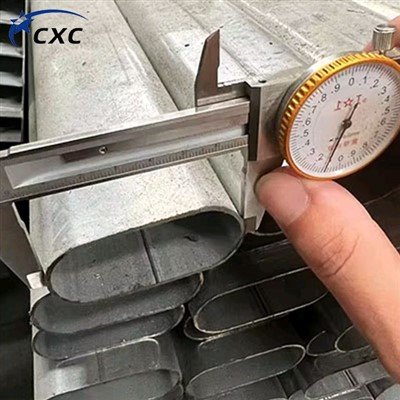
First off, let’s break down what each is at their core. Round steel pipe is exactly what it sounds like: a seamless or welded hollow tube with a circular cross-section. We source ours for a ton of uses, from transporting water or gas (that’s where “pipe” originally comes from, duh) to building round handrails or support posts. HSS, on the other hand, is a broader category—it’s hollow steel sections that can be round, square, or rectangular. Wait, hold up, that’s a big one: round HSS is actually a type of HSS, but when people say “HSS” out in the industry, they usually mean the square or rectangular ones. That’s where most confusion starts, trust me.
Let’s talk about how they’re made, because that’s where a lot of their differences come from for you as a buyer. Round pipe comes in two main types: seamless and welded. Seamless pipe is made by pushing a solid steel billet over a mandrel, so there’s no weld seam anywhere. That makes it stronger under pressure—perfect for plumbing lines or oil and gas pipelines where leaks are a disaster. Welded pipe is formed by bending a flat steel sheet into a round shape and then welding the seam together. It’s cheaper, faster to make, and works great for structural stuff where you don’t need extreme pressure resistance, like fence posts or scaffolding.
HSS, whether round, square, or rectangular, is almost always welded (though there are rare seamless versions, but they’re way more expensive). How it’s different is the manufacturing process: for square or rectangular HSS, you start with a flat steel strip, roll it into a square or rectangular shape, then weld the longitudinal seam, just like welded pipe—but then you go through an extra step of sizing and finishing to make the sides perfectly flat and consistent. Round HSS, meanwhile, is made the same way as round pipe, but it’s processed to meet stricter structural standards instead of pressure standards. Oh, and here’s a key point: the wall thickness is measured differently for each. For round pipe, you usually see “schedule 40” or “schedule 80” labeling, which tells you wall thickness based on diameter and pressure rating. HSS uses a different numbering system—like HSS 4x4x1/4—where the first two numbers are the outside dimensions of the sides, and the third is the wall thickness. That’s easy to mix up if you’re new to buying steel.
Now, the good stuff: performance, because that’s why you’re here, right? Let’s start with structural strength. If you’re building a load-bearing structure—like a warehouse frame or a bridge support—how the shape holds up under weight matters. Round cross-sections (both round pipe and round HSS) distribute weight and stress evenly around the entire circumference. That means they’re really good at handling bending and torsion (twisting forces) from all directions. Think about a fence post: the wind can hit it from any side, and a round pipe won’t have a weak point where two sides meet, like a square HSS would. Square or rectangular HSS, though, are better for certain types of loads—especially bending that’s coming straight at one flat side. If you’re building a frame that’s going to hold up under a downward load, square HSS is easier to connect with bolts or welds, because the flat sides give you a big, sturdy surface to work with.
Wait, let’s test that with a real example. A lot of our customers use round pipe for handrails on stairs or balconies. Why? It feels more natural to grip, it’s less likely to catch on clothes or tools, and it doesn’t have sharp edges. If you used square HSS for a handrail, the corners could be a safety hazard, especially if it’s in a high-traffic area. On the flip side, a structural frame for a small shed: square HSS is way easier to cut and weld into right angles, so you can build the walls and roof frame without having to do extra work to make round ends fit.
Cost is another big factor, and as a round steel pipe supplier, I can tell you this straight: round pipe is almost always cheaper than HSS (whether round or square) for the same wall thickness and diameter. Why? Because round pipe is mass-produced for plumbing and transportation uses, so there’s way more supply, and the manufacturing process is simpler. Square and rectangular HSS require more steps to get those flat sides perfectly uniform, so they cost more. Round HSS is a bit pricier than standard round pipe, too, because it’s made to meet stricter structural specs (it has to be tested for load capacity, not pressure resistance). If your project doesn’t need structural engineering approval, and you just need a round tube for a fence or a simple support, round pipe is the budget pick hands down.
But wait, don’t make the mistake of thinking “cheaper = worse”—round pipe is still super durable. We use it for our own warehouse supports, actually, and it’s held up for years. The difference is just in the testing and standards: round pipe is tested for pressure (like, how much it can hold without bursting), while HSS is tested for structural load (how much weight it can support without bending or breaking). So if your project is in an area where you need to submit specs to a building inspector, you’ll want HSS (either round, square, or rectangular) because it meets the required structural codes. Round pipe might not pass that inspection, even if it’s strong enough for your needs. That’s a critical point—always check with your local building department if you’re doing a structural build.
Installation is another thing to consider, from what I see with our customers. Round pipe is way easier to cut and modify on-site if you need to adjust lengths. You can use a basic pipe cutter or a reciprocating saw, no special tools needed. Square and rectangular HSS, because of their flat sides, are great for prefabrication—you can cut them to exact lengths in a shop, weld the frames together, and just bolt the whole thing into place on-site. That saves time for big projects, but if you’re doing a small DIY job, round pipe is way more forgiving if you mess up a measurement or need to trim a bit off later.
Let’s talk about finishes and corrosion, too. Most round pipe we sell comes with a hot-dipped galvanized finish, which is perfect for outdoor use—fences, deck posts, anything that’s exposed to rain or snow. HSS can also be galvanized, but the flat sides mean there are more corners where the galvanizing process can leave thin spots, so you have to be more careful with it to avoid rust. Round pipe, with its uniform round shape, gets a consistent galvanized coating all around, so it’s less likely to corrode, even in harsh conditions. I’ve had customers use our galvanized round pipe for a coastal dock support, and it’s held up for 10 years with barely any rust, which is way better than other steel materials they’ve tried.
Wait, but what about when you should pick round pipe vs. round HSS specifically? Let’s say you need a round tube for a structural project. If it’s going to carry fluid or gas, go with round pipe—seamless if it’s high pressure, welded if it’s low pressure. If it’s going to be part of a structural frame that needs to meet building codes, go with round HSS. The difference, again, is in the specs: round pipe’s specs are focused on pressure, round HSS’s are focused on load capacity. We have a lot of engineers who come to us confused about this, so we always ask them “what’s the pipe going to do?” before we recommend anything.
Let me throw in a few common mistakes I see customers make. Last month, a guy came in wanting to build a deck frame, and he bought square HSS because he thought it was “stronger,” but it turned out he didn’t need the structural code approval, and he could’ve saved $200 by buying round pipe. Another customer tried to use round pipe for a natural gas line, and it was seamless pipe, which was way more expensive than the welded pipe he needed—turns out, low-pressure gas lines don’t need seamless, so he wasted extra money. That’s why it helps to know exactly what your project requires before you start shopping.
So, to wrap this up, here’s the quick cheat sheet:
- If you need a round tube for plumbing, gas, fences, handrails, or a simple structural build that doesn’t need code approval: go with round steel pipe. It’s cheaper, easier to work with, and durable enough for most jobs.
- If you need square or rectangular sections for structural frames, warehouse buildings, or projects that require building code compliance: go with HSS.
- If you specifically need a round structural tube that meets load codes: go with round HSS (it’s a type of HSS, remember).

At our round steel pipe shop, we’ve been working with these materials for years, and we don’t push you to buy something you don’t need. We’ve got all sizes of welded and seamless round pipe, galvanized or bare, for whatever project you’re tackling. Whether you’re a contractor with a big build or a DIYer fixing up your backyard, we can help you pick the right stuff without the confusion. If you have questions about sizes, specs, or which type of steel is best for your project, just reach out—we’re here to help, no sales pitch, just straight answers.
Black Steel Pipe References:
- Steel Tube Institute. (2022). Hollow Structural Sections (HSS) Design Manual.
- American Society of Mechanical Engineers (ASME). (2021). Standard Specification for Seamless Steel Pipe, Welded Steel Pipe, and Heavily Cold Worked Welded Steel Pipe.
- American Institute of Steel Construction (AISC). (2020). Steel Construction Manual, 15th Edition.
- National Association of Home Builders (NAHB). (2019). Residential Steel Framing Guide.
Wuxi Chengxingchuang Metal Products Co., Ltd.
As one of the most professional round steel pipe manufacturers and suppliers in China, we’re featured by quality products and good price. Please rest assured to buy cheap round steel pipe for sale here from our factory. Welcome to contact us for customized service.
Address: No.8-2, Zhoujia Lane, Liangxi District, Wuxi City, Jiangsu Province, China
E-mail: 13961862735@163.com
WebSite: https://www.cxcsteeltubes.com/
