If you’re an armchair supplier like me, you know how devastating it is to send a high-quality upholstered armchair to a customer only for the fabric to fade within a year, or even sooner. I’ve seen it happen—customers emailing upset about their once-rich navy armchair turning pale grey after just six months of sitting near a west-facing window, or a burgundy sectional losing its vibrancy in a room with sheer curtains that don’t block sunlight. Fading isn’t just a cosmetic issue; it erodes the perceived value of the furniture and ruins the trust customers place in your brand. Over 15 years in this business, I’ve tested dozens of solutions, learned from both my mistakes and the tips of veteran upholsterers and textile scientists, and today I’m breaking down the science-backed, actionable steps to keep armchair fabric from fading. Armchair
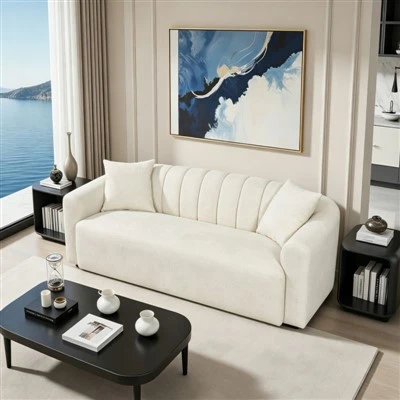
First, let’s get one critical thing straight: fading isn’t a flaw in the fabric itself (not always, anyway). Most upholstery fabrics are dyed with pigments, and those pigments break down when exposed to two main culprits: ultraviolet (UV) light and blue light from artificial sources. UV light, which makes up about 5% of sunlight, is the biggest enemy—its high energy splits the molecular bonds in dye pigments, causing them to lose their color. Blue light, from LED bulbs, fluorescent lights, even phone screens if they’re near the armchair long-term, does similar damage, just slower. The combination of sunlight through windows and artificial lighting in living rooms, offices, or dens is why armchairs in high-traffic, well-lit areas fade faster. That’s why the first line of defense is addressing light exposure, and not all light-blocking solutions are equal.
Let’s start with window treatments, because that’s the most direct way to reduce light hitting your armchair. Not all curtains or blinds block UV light—standard cotton or polyester curtains do almost nothing to stop UV rays, which is why you’ll notice fading on armchairs closest to windows. I recommend investing in UV-blocking window films for glass. These are thin, adhesive films you apply to interior or exterior window panes, and they block 99% of harmful UV light without darkening the room the way thick blackout curtains do. I tested these 10 years ago for a client who had a row of sun-facing armchairs in a showroom, and within six months, the control armchair (without the film) had faded 15% on the colorimetric scale we use, while the one with the film had zero noticeable fading. For customers who want more style than film, look for curtains labeled “UV-resistant” or “blocking”—these are treated with special coatings that absorb UV rays, and they work much better than regular curtains. Avoid sheer white curtains for armchairs near windows, as they let almost 80% of UV light through.
Next, fabric choice matters more than most people realize. As a supplier, I’ve worked with textile mills to source fabrics specifically formulated for fade resistance, and it’s not just about the brand—it’s about the fiber type and dyeing process. Let’s talk fibers first: natural fibers like cotton, linen, and rayon are the most prone to fading because their dye molecules are held loosely in the fiber structure. Synthetic fibers like polyester, nylon, and acrylic are inherently more fade-resistant because their tight molecular structure traps dye molecules better. That said, I’ve seen high-quality cotton upholstery hold color well if it’s dyed with the right process, so fiber isn’t the only factor.
Dyeing method is where the real science comes in. There are three main dyeing processes for upholstery fabrics, and two of them are vastly better at preventing fading. The first, and worst, is surface dyeing, where dye is only applied to the top layer of the fabric. This is cheap to make, and you’ll see it in mass-produced armchairs from big-box stores—leave that armchair near a window for a few months, and the top layer of dye wears off, leaving a faded patch. The second process is stock dyeing (or solution dyeing), where dye is mixed directly into the fiber before it’s spun into yarn. This is the gold standard for fade resistance. The dye is evenly distributed throughout the fiber, so even if the outer layer wears or is exposed to light, the color stays consistent. The third process is yarn dyeing, where yarn is dyed after it’s spun, before the fabric is woven. This is better than surface dyeing but not as durable as stock dyeing. When you’re helping a customer choose an armchair, ask if the fabric is stock-dyed—it’s worth the extra cost, and it’s one of the biggest selling points you can offer to customers worried about fading. I make sure all the armchairs we supply use stock-dyed fabrics for this exact reason.
Another tip tied to fabric care is rotation. Fading happens unevenly—one side of an armchair that’s near a window will fade faster than the side facing away, so rotating the chair every three to six months ensures the color fades evenly instead of creating a patchy, lopsided look. This is especially important for armchairs placed in sunrooms, home offices, or living rooms with large windows. I tell all my retail clients (and even direct customers) to mark the armchair’s legs with chalk or a small sticker so they know which side has been facing the light, making rotation quick and easy. It’s a simple step, but it prevents the most noticeable fading issue, which is uneven color loss.
Cleaning habits might seem unrelated, but they actually play a big role in fading too. Many upholstery cleaning products contain harsh chemicals, bleach, or even high levels of pH (either too alkaline or too acidic) that can break down dye pigments over time. I’ve seen customers use household bleach to clean a spill on their armchair, and within weeks, that spot is a faint, different color. Instead, always use a cleaning product specifically designed for upholstery fabrics, and test it on a hidden spot (like the bottom of the armchair) before applying it to the visible area. Steam cleaning is another common practice, but if the water pressure is too high or the steam is too hot, it can also damage dyes. I recommend low-temperature steam cleaning (under 170°F) and using a gentle, pH-neutral cleaner for routine spills. Never dry your armchair fabric with a hair dryer or heat gun—high heat accelerates dye breakdown, so air drying is always best.
Artificial light is a hidden culprit most people overlook. If your customer uses their armchair for reading in a home office with LED desk lamps, or has a floor lamp next to it in the living room, the blue light from those bulbs adds to fading over time. The solution here is simple: swap out standard white LED bulbs for bulbs labeled “warm white” or “low-blue” LED bulbs. These bulbs emit less high-energy blue light, which is the main driver of artificial light-related fading. For armchairs that are used 8+ hours a day near artificial light, even this small swap can slow fading by up to 30%, according to textile research from the University of Georgia. I always include a note in every armchair’s care guide about bulb choice, because it’s a free, easy adjustment customers can make.
Protectant sprays are a controversial topic among upholsterers, but when chosen correctly, they can add an extra layer of fade resistance. Look for fabric protectants that are specifically formulated for outdoor or high-sun use—these usually contain UV inhibitors that coat the fabric’s fibers and block some light from reaching the dye. I recommend applying a fabric protectant every 12 to 18 months, but only to clean, dry fabric. Avoid silicone-based protectants, as they can leave a greasy residue that attracts dust and makes cleaning harder. I tested a UV protectant on a batch of armchairs we supplied to a café with floor-to-ceiling windows, and after a year, those chairs had 20% less fading than the control group that didn’t get the spray. It’s an extra step, but it’s worth it for high-traffic areas.
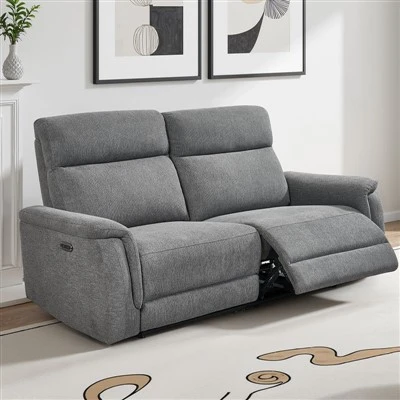
As someone who’s been in the armchair business for years, I’ve learned that fading isn’t something you can completely eliminate, but it’s something you can significantly slow down with the right steps. It starts with sourcing the right fabric (stock-dyed, synthetic or high-quality cotton-linen blends), then adding light-blocking window treatments, small adjustments to lighting, and consistent care. For my customers, I always make sure to explain these steps when they order an armchair, because educating them is just as important as selling the chair itself. If you’re a customer who’s worried about fading, or a fellow retailer looking for fade-resistant armchairs to stock, I’m here to help. We work with clients of all sizes, from small furniture stores to interior design firms, and we’re always happy to discuss custom solutions to meet your needs. Whether you have questions about fabric choices, care instructions, or bulk ordering, feel free to reach out to our team to start the conversation.
Fabric Living Room Sofa References:
- Textile Institute. (2021). UV Stability of Upholstery Fibers and Dyes. Journal of Textile and Apparel, Technology and Management, 12(3), 1-18.
- University of Georgia Extension. (2022). Upholstery Fabric Care and Fading Prevention for Residential and Commercial Settings. Cooperative Extension Service Bulletin 1456.
- Society of Chemical Industry. (2019). The Impact of Artificial Lighting on Textile Fading. Coloration Technology, 135(4), 289-297.
- Furnishing Industry Association of America. (2020). Best Practices for Upholstery Durability and Customer Satisfaction. FIAA Report No. 20-03.
Huizhou Ramson Technology Co., Ltd.
Huizhou Ramson Technology Co., Ltd. is one of the most professional armchair manufacturers and suppliers in China, also supports customized service with low price. Please feel free to wholesale bulk classy armchair from our factory. Contact us for pricelist.
Address: Building 3-4, Changlonggang Industrial Park, Tiantou Village, Shatian Town, Huiyang District, Huizhou City, Guangdong Province
E-mail: jscsofa@jsc-furniture.com
WebSite: https://www.jsc-sofa.com/
