If you’ve ever stood in a winery’s production floor as harvest hits full swing, watching pallets of freshly picked grapes roll in and tanks of juice fermenting under temperature control, you know how much rides on every step of getting that wine into a bottle. Even a small misstep—too much spillage, foamy wine that clogs a line, or inconsistent fill levels across a batch—can ruin a bottle’s shelf appeal or a winemaker’s exacting flavor profile. That’s where the wine filler machine nozzle comes in, and as a supplier of wine filler equipment, I see firsthand how this tiny, often overlooked part is the unsung workhorse of bottling line efficiency, accuracy, and quality. Wine Filler Machine
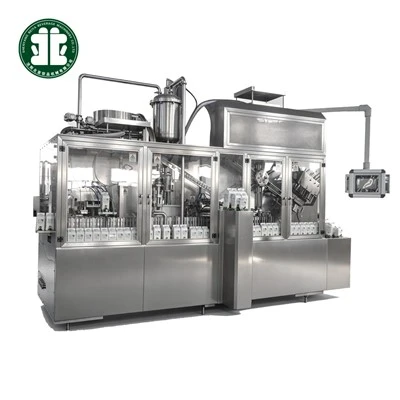
Let’s start with the basics: what exactly is a wine filler machine nozzle? Simply put, it’s the precision component at the end of a filler’s fill tube that delivers wine from the machine’s reservoir directly into a bottle. But it’s far more than just a hole for liquid to flow through. Unlike standard nozzles for water or soda, wine nozzles are engineered to work with wine’s unique properties—its varying viscosity (a Pinot Noir is thinner, for example, than a rich, fruity Zinfandel), its tendency to foam when disturbed (especially sparkling wines and rosés), and its sensitivity to oxygen exposure, which can dull flavors or trigger spoilage over time. At their core, wine filler nozzles are designed to control flow, minimize waste, protect wine quality, and deliver the consistent fill levels winemakers demand for labeling, shelf display, and regulatory compliance.
To understand why a nozzle matters more than you might think, let’s break down the different types you’ll find on today’s bottling lines, because not all wine nozzles are created equal. Most wineries will match their nozzle type to the wine they’re bottling, as well as their line speed and production scale. For still wines—think Chardonnay, Cabernet Sauvignon, or Pinot Noir—still wine nozzles are the most common. These are typically made from food-grade stainless steel (usually 304 or 316 grade, which resists corrosion and is easy to sanitize between runs) and feature a narrow, tapered tip. The narrow opening slows the flow of wine, preventing splashing that would cause foaming, and the tapered design lets the nozzle extend just inside the bottle’s neck before dispensing. That’s key because if wine hits the side of the bottle above the neck, it can aerate, creating unwanted oxygen exposure, or leave streaks that look unprofessional on a finished bottle.
Sparkling wines—Champagne, Prosecco, Cava—have completely different needs. The pressure inside a sparkling wine bottle is 5 to 6 times higher than a standard car tire, so a regular still wine nozzle would struggle to handle that pressure without causing the wine to erupt, overflow, or lose carbonation. Sparkling wine nozzles, often called “flood and drain” or “counter-pressure nozzles,” are built for this. They work by first equalizing the pressure inside the bottle with the wine’s internal pressure before any wine is dispensed. The nozzle has two separate paths: one that releases carbon dioxide (CO₂) into the bottle to match pressure, and another that carefully fills the bottle from the bottom up once pressure is balanced. This bottom-up fill method eliminates foaming entirely, preserves the wine’s delicate bubbles, and prevents spillage—critical for a product that often costs $30 or more per bottle. Even small amounts of waste from a single bad fill on a high-end sparkling line add up fast.
Then there’s the specialty nozzle for rosés, natural wines, or low-alcohol wines, which often have even higher foam tendencies than still reds or whites. These foam-reducing nozzles incorporate a small air vent that releases micro-pockets of air into the wine stream as it dispenses, breaking up large foam bubbles before they can build up in the bottle. For natural wines, which often have more residual yeast or sediment than conventionally filtered wines, some nozzles have a filtered tip to catch small particles, preventing clogs and ensuring the finished wine is clear and sediment-free in the bottle.
Now, why is the wine filler nozzle such a critical investment, rather than just a disposable part you swap out annually? Let’s talk about functionality first. A poorly designed nozzle can cause two big problems for wineries: fill inconsistency and waste. Imagine two bottles of the same wine, one filled to 750ml and the other to 758ml. If that’s just a small batch of 100 bottles, it’s not a huge deal, but for a large commercial winery bottling 10,000 cases a year, that’s 120,000 bottles—each with a 1ml difference adds up to 120 liters of wasted wine, or more than 150 bottles of finished product. Worse, inconsistent fill levels can lead to regulatory issues: many regions require exact fill volumes for alcohol beverages, so off-level bottles can get rejected at customs or retail, costing wineries time and money. A precision-engineered wine nozzle will deliver fill levels with an accuracy of ±0.5ml, eliminating that waste.
Foam is another major pain point, especially for wineries that run fast lines to keep up with harvest. Foam doesn’t just cause spillage—it can clog label applicators, create messy production lines, and add downtime as workers have to wipe down bottles or clear jammed equipment. I’ve worked with winemakers who once ran a line with cheap, generic nozzles and had to slow their line speed by 20% just to deal with foaming, costing them thousands of dollars in lost production time during peak season. Switching to properly calibrated wine nozzles cut that downtime by 90% and let them run at full speed without foamy bottles.
But quality is where the wine nozzle’s true value shines, not just efficiency. Oxygen is wine’s enemy, especially for white and rosé wines, which turn brown and flat when exposed to even small amounts of oxygen during bottling. A standard nozzle that splashes wine as it dispenses can add 5 to 10 parts per million (ppm) of oxygen to a bottle, which is enough to shorten a white wine’s shelf life by 6 months or more. A quality wine nozzle delivers wine smoothly from the bottom up, with minimal disturbance, adding less than 1 ppm of oxygen. For wineries producing age-worthy red wines, that tiny difference means the wine will develop the complex, earthy flavors of oak and tannins in the bottle, rather than turning sour or oxidized within a year. I recently worked with a small family winery that spent years adjusting their fermentation process to make a award-winning Cabernet, only to see half their first bottling run go bad due to oxidation—until we swapped their old nozzles for our precision bottom-fill wine nozzles. That same wine now has a 95% success rate for shelf life up to 5 years, and they’ve expanded their distribution to 12 new markets as a result.
Sanitation is another key point, and it’s not just about food safety—though that’s non-negotiable for beverage production. Wine is acidic, sugary, and can leave residue on nozzles if they’re not easy to clean. Generic metal nozzles can have crevices where wine residue gets trapped, leading to bacterial growth, off-flavors in subsequent batches, or even mold that can ruin a whole tank of wine. High-quality wine filler nozzles are designed with a smooth, crevice-free internal and external surface, often with polished stainless steel or PTFE coatings that resist residue buildup. Some nozzles are also autoclavable, meaning they can be sterilized at high temperatures between runs, which is essential for natural wine producers who run multiple small batches (each from a different vineyard or fermentation) without cross-contamination.
It’s also important to mention that wine filler nozzles aren’t one-size-fits-all. The right nozzle depends on several factors: wine type (still, sparkling, rosé, natural), bottle size (from 187ml split bottles to 3L magnums), line speed, and even the type of filler machine you’re using (gravity fillers, pressure fillers, counter-pressure fillers all require different nozzle designs). I’ve had winemakers come to me saying their current nozzles work for their reds, but their rosés are foaming so bad they have to hand-fill every other bottle—just because they didn’t adjust the nozzle for the wine’s viscosity. That’s why a good wine nozzle supplier will work with you to match the nozzle to your specific needs, not just sell you a generic part.
For small wineries or craft producers, it can be tempting to cut costs by using cheap nozzles from a general industrial supplier, but that’s a false economy. I’ve seen craft wineries that invested $500 in a set of premium wine nozzles save thousands in waste and downtime during their first harvest. Even a medium-sized winery can recoup the cost of high-quality nozzles in a single season, by reducing spillage, speeding up line runs, and improving wine quality to command higher wholesale prices.
If you’re a winemaker or production manager, here are a few things to look for when evaluating wine filler nozzles: first, material—make sure it’s food-grade stainless steel, not aluminum or low-grade steel that can react with wine’s acidity. Second, design: for still wines, look for bottom-up fill to minimize oxidation; for sparkling, make sure the nozzle has a pressure equalization path; for foamy wines, look for air vent technology. Third, ease of cleaning: the nozzle should be easy to disassemble and sanitize without special tools, to cut down on downtime between batches. Finally, accuracy: ask for the fill accuracy rating—any quality nozzle will have a ±0.5ml or better tolerance.
At the end of the day, the wine filler machine nozzle is one of the most underrated pieces of equipment in a winery. It’s not the shiny stainless steel tanks or the fancy label printers that get all the praise, but it’s the nozzle that delivers the wine into the bottle exactly as the winemaker intended—no spillage, no oxidation, no foaming, just consistent, high-quality wine that consumers will enjoy. If you’re looking to upgrade your bottling line, reduce waste, or improve the quality of your finished wine, the first place to start is with your wine filler nozzles.
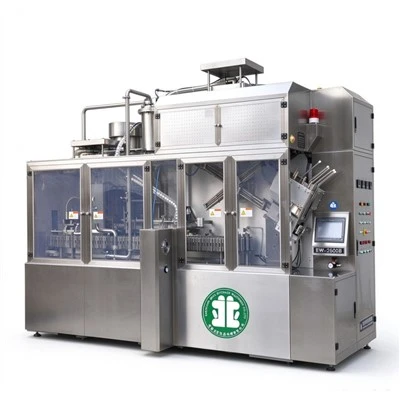
If you have questions about the right nozzles for your specific wine, bottle size, or production line, or want to explore how upgrading your filler nozzles can boost your efficiency and quality, feel free to reach out to connect for a consultation tailored to your winery’s needs.
Gable Top Carton Juice Filling Machine References:
- Wine and Beverage Bottling Technology: Nozzle Design and Quality Control, International Journal of Food Engineering, Vol. 17, Issue 3, 2021
- Oxidation Prevention in Still Wine Bottling: The Role of Filling Components, Journal of Wine Research, Vol. 32, Issue 2, 2022
- Counter-Pressure Filling for Sparkling Wines: Nozzle Pressure Equalization and Carbonation Retention, American Journal of Enology and Viticulture, Vol. 73, Issue 1, 2022
- Sanitation in Beverage Production: Nozzle Design for Residue Reduction, Food and Bioprocess Technology, Vol. 15, Issue 8, 2022
Shenyang Beiya Beverage Machinery Co., Ltd.
With abundant experience, we are one of the most professional wine filler machine manufacturers and suppliers in China. If you’re going to buy customized wine filler machine made in China, welcome to get quotation from our factory. For price consultation, contact us.
Address: No.2-1, Tongling Street, Yuhong District, Shenyang City, Liaoning Province, China
E-mail: market@sybeiya.com
WebSite: https://www.chinafilling.com/
