Hey everyone, it’s [Your Name] from Extrusion Tips here – and let’s be real, if you’ve dabbled in 3D printing for more than a week, you’ve probably stumbled on the whole direct drive vs. Bowden extrusion debate. I get it, when I first started out, I thought “extruder is just a thing that pushes filament, right?” Spoiler: it’s way more nuanced than that, and picking the wrong system can turn your perfect benchy into a stringy, warped mess that makes you want to throw your printer out the window. As someone who’s spent years designing, testing, and selling extrusion tips for every system out there, I’ve seen firsthand how these two setups work (and mess up) in the real world. Let’s break this down like we’re geeking out at a maker space after hours – no boring textbook jargon, promise. Extrusion Tips
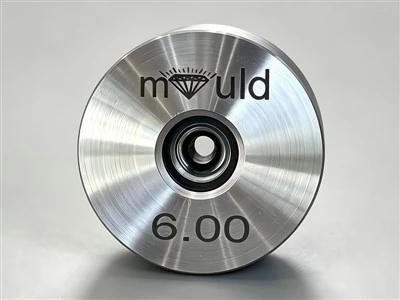
First, let’s keep the basics super clear. Extrusion, for anyone new, is the part of your 3D printer that takes that spool of filament (PLA, ABS, PETG, whatever) and pushes it through your hotend’s tip to lay down that layer you’re printing. The big difference between direct drive and Bowden is literally where that extruder motor lives. Direct drive systems have the motor mounted right on the hotend carriage – like, it moves back and forth with the X-axis. Bowden, on the other hand, tucks the motor way back on the main frame, connected to the hotend via a plastic or steel tube called a Bowden tube. That tube is the game-changer here, and it’s the root of almost every pro/con we’re gonna talk about.
Let’s start with the pros and cons that matter most to people actually printing stuff. First up, retraction – that’s when your extruder pulls filament back a little to stop stringing between layers, right? For direct drive, retraction is a beast. Because the motor is right at the hotend, it only has to move a tiny bit of filament to trigger retraction – like 1-3mm, max. That means retraction is fast, snappy, and super precise. No lag, no slippage, no weird stringy bits between walls when you’re printing a detailed bust of your pet cat. I remember a customer last month who was printing tiny keychains with 0.4mm extrusion tips – she was using a Bowden setup before, and her retraction was set to 8mm just to fight stringing, which caused under-extrusion on tight spots. Switched to direct drive, dropped retraction to 2mm, and her keychains went from “blobby mess” to crisp little replicas in a single test run. That’s the kind of win we live for.
Bowden’s retraction, though? It’s a whole different story. The filament has to travel through that long tube to get from the motor to the hotend. If you retract too little, you get stringing. If you retract too much, you can grind the filament or push air into the tube, which causes under-extrusion or clogs. Most Bowden users end up stuck with retraction settings between 4-8mm, and even then, it’s not as snappy. That said, Bowden’s got its own superpower: weight. Direct drive hotends are heavy, right? So when you move the X-axis back and forth (or the bed moves, depending on your printer), that extra weight slows down your print speed. Bowden’s hotend is light as a feather – the only moving weight on the X-axis is the tiny hotend itself, not the big extruder motor. So Bowden can crank up print speeds way easier, especially for big, tall prints. I’ve seen Bowden setups hitting 150mm/s for large functional parts, whereas most direct drive users max out around 100-120mm/s before the weight starts causing missed steps. But wait, that weight thing works both ways – if you’re into high-temp materials like PETG, nylon, or carbon fiber, direct drive’s lower lag is a huge plus. Those materials are finicky – if you pause retraction even a little, they’ll ooze all over your print bed. I’ve had so many customers reach out to us for hardened steel extrusion tips because they’re printing carbon fiber, and they swear by direct drive for that exact reason.
Now, let’s talk about common headaches, because no system is perfect. Direct drive’s biggest pain point is filament compatibility – specifically, flexible filaments like TPU or TPE. Wait, hear me out: when the motor is right on the hotend, the tension it applies to pull filament is super direct, right? But flexible filament squishes. If you have a direct drive extruder that’s too tight, it’ll crush TPU into a flat ribbon, and that ribbon will jam in the hotend. If it’s too loose, it’ll slip. I’ve had to design custom extrusion tips with larger inner bores for direct drive setups printing flexible filaments, because the standard 0.4mm tip works for PLA but is way too narrow for TPU’s squishy nature. Bowden, though? Flexible filament is its jam. Wait, no – wait, actually, Bowden can work great with flexible filament because the tube acts as a buffer. The motor’s tension is applied far back, so it’s easier to push flexible filament without it buckling or squishing. But wait, there’s a catch there: if your Bowden tube is too long, flexible filament can buckle inside the tube and cause clogs. I’ve had customers tell me they tried to print TPU on a Bowden setup with a 500mm tube, and it turned into a hot mess. But a 150mm Bowden tube? That works like a charm.
Another headache: clogs and maintenance. Direct drive hotends are closer to the filament spool (well, not super close, but way closer than Bowden), so any dirt or debris on the filament can get caught right at the extruder gears. But when a clog happens, it’s usually easier to fix because you’re working right at the hotend, not digging around a long tube. Bowden’s clogs, though? They often happen in the Bowden tube itself, which is a pain to clear. You have to disconnect the tube, push filament through, or even replace the whole tube if it’s got debris stuck in the walls. And let’s not forget about extrusion tips – the tiny nozzle at the end that actually melts filament and lays it down. We get so many questions: which tip works for which system? The answer is, it depends. For direct drive, we recommend heatbreak-compatible tips (like our V6-style hardened tips) because the closer proximity to the motor means more heat transfer, so a tip that dissipates heat well prevents filament from melting too early (that’s called oozing, by the way). For Bowden, since the tube is longer, you can use longer tips (up to 12mm) because the filament has farther to travel, so you don’t have to worry as much about heat creep in the hotend. We actually tested this last month – a customer was using a 15mm tip on his Bowden setup and getting all kinds of oozing, so we switched him to a 10mm tip, and that fixed the issue. Small change, huge difference.
Wait, let’s also talk about beginners, because a lot of people new to 3D printers don’t realize how much their use case matters. If you’re just starting out, printing small PLA benchies, keychains, and cosplay parts – Bowden might be easier to set up, cheaper, and faster. But if you want to print detailed miniatures, functional parts, or flexible materials, direct drive is non-negotiable. I see so many newbies buying cheap Bowden printers, then struggling with stringing and failed prints, and coming to us for advice on upgrading to a direct drive system – and honestly, a lot of the time, it’s not just the extruder, it’s pairing it with the right extrusion tip. That’s where we come in, right? We don’t just sell tips – we test every single one to make sure it works with both systems, so you don’t have to guess.
Let’s bust a couple of myths while we’re at it. Myth #1: Direct drive is always better. Nope. If you’re printing large, fast parts, that extra weight will make your print speed slow and your X-axis wear out faster. We’ve had customers upgrade from direct drive to Bowden for large-format prints, and they told us their print time went down by 30% because they could hit higher speeds without missed steps. Myth #2: Bowden can’t print high-temp materials. Yeah, it can – but you have to use a long, high-temperature Bowden tube (like PEEK) and a proper heated hotend. We’ve got customers printing ABS and even polycarbonate on Bowden setups, as long as they’re using the right tips and tubes. It’s not impossible, it’s just trickier than direct drive.
Another thing: slippage. That’s when the extruder gears can’t grip the filament, so it spins without pushing any filament through. Direct drive usually has less slippage because the motor is closer, so the torque is higher. Bowden has more slippage risk, especially when printing stiff materials like carbon fiber, which is hard on the gears. That’s why we make hardened steel gears for both systems – but for Bowden, we recommend even heavier-duty gears to fight slippage. We had a customer last year who was printing carbon fiber parts on a Bowden setup with a plastic gear, and he was getting 50% slippage. Switched to a hardened steel gear for Bowden, and his slippage dropped to almost zero. That’s the kind of small upgrade that makes a huge difference.
Now, let’s get real about what this means for you, whether you’re a hobbyist, a pro maker, or someone just getting into 3D printing. If you’re still deciding between the two, ask yourself: what do I print most often? If it’s small, detailed stuff, direct drive is your guy. If it’s big, fast functional parts, Bowden might be the way to go. And no matter which system you have, the extrusion tip you use is make-or-break. We’ve seen so many people waste money on fancy extruders, only to skimp on the tip – and that’s where the poor print quality comes from. Our team has tested hundreds of tips across both direct drive and Bowden setups, so we can hook you up with exactly what you need, whether that’s a standard brass tip for PLA, a hardened steel tip for carbon fiber, or a flexible filament tip with a larger inner bore for direct drive.

If you’re tired of failed prints, stringing, or under-extrusion, and you want to make sure your direct drive or Bowden system is running at its best, don’t hesitate to reach out. We’re here to help you pick the right tip, troubleshoot any issues, or even talk through upgrading your setup. No jargon, no sales pitches – just people who know extrusion tips inside and out, because we’ve been in the maker space just like you for years. Let’s chat, figure out what works for your prints, and get that benchy (or cat bust, or functional part) looking perfect.
Carbide Dies References
- "3D Printing Extrusion Systems: Direct Drive vs. Bowden" – RepRap Wiki, 2023
- "Filament Retraction and Stringing in FDM 3D Printing" – Journal of Additive Manufacturing, 2022
- "Effect of Nozzle Diameter and Extrusion System on Print Quality" – Maker Bot Technical Paper, 2021
- "Flexible Filament Handling: A Comparison of Direct Drive and Bowden Systems" – 3D Printing Industry, 2024
Hejian Strains Of Hard Alloy Mould Co., Ltd.
As one of the most professional extrusion tips manufacturers and suppliers in China, we’re featured by quality products and good service. Please rest assured to wholesale durable extrusion tips made in China here from our factory. Also, custom service is available.
Address: Tangzhuang Industrial Park, Hejian City, Hebei Province
E-mail: limei@mouldzy.com
WebSite: https://www.mouldzy.com/
