When I first started my outdoor kitchen supply business seven years ago, I heard the same question from almost every potential client: “Do outdoor kitchens require a lot of maintenance?” At the time, I’d spent years installing these setups for homeowners, small café owners, and even a few local parks, so I had a pile of real-world answers ready—no generic sales pitches, just the kind of on-the-ground wisdom that comes from repairing, adjusting, and upgrading outdoor kitchens through rain, snow, and months of Texas sun. Today, that question still lingers, but now I can answer it with hard data from the hundreds of outdoor kitchens I’ve supplied and maintained. The short answer is: no, not if you choose the right materials, and the maintenance you do need is way simpler than you think it is, compared to other outdoor features like wooden decks or pool patios. Outdoor Kitchen
Let me start by breaking down why some people think outdoor kitchens are high-maintenance. I’ve seen clients who bought cheap, box-store outdoor kitchens a decade ago—thin steel cabinets that rusted through in two years, particle-board countertops that warped when they spilled lemonade, and flimsy grill hoods that corroded after the first winter. Those products are the reason for the bad reputation, but they’re not actually outdoor kitchens. They’re indoor grills and cabinets repurposed for outside, with materials that never stood a chance against the elements. When I supply an outdoor kitchen, I use materials engineered specifically for outdoor use, and that changes everything. Stainless steel, for example, isn’t just one metal—304-grade stainless steel, the standard I recommend to every client, contains around 18% chromium and 8% nickel. That chromium reacts with oxygen in the air to form a thin, invisible protective layer that seals the metal from rust, even when it’s exposed to salt air near the coast or snow-melting chemicals in northern states. I’ve had a client in Florida whose outdoor kitchen, installed in 2017, is still in perfect shape—no rust spots on the cabinet frames, even though they live 500 feet from the ocean.
Then there are countertops. Most people think granite is the go-to, but it’s porous, so if you spill red wine or citrus juice and leave it for days, it can stain. Quartz, on the other hand, is non-porous—made from 90% crushed natural quartz and a small amount of resin, so there’s nowhere for liquids to seep in. I use quartz countertops for 70% of my residential clients, and I always tell them: if you spill soda or olive oil, just wipe it up with a damp cloth. No sealing every year, no special cleaners, no worrying about permanent stains. For a client who runs a small outdoor café, I might use polished concrete countertops—they’re durable, heat-resistant, and can handle the constant use of flipping burgers and pouring iced coffee, and they only need a simple seal every three to five years, not annually.
But here’s the part that surprises most people: even the best materials need a little care, and that care is minimal. Let’s talk about the “big three” maintenance tasks for outdoor kitchens, the ones I actually train my clients to do: cleaning, seasonal prep, and simple inspections. Cleaning is not deep cleaning—it’s a 5-minute wipe-down after each use. After grilling, turn off the gas, let the grill cool completely, and wipe the grates with a wire brush (or a disposable grill brush, if that’s easier) to remove food residue. For the countertops, a mild dish soap and warm water is all you need—no harsh chemicals, no specialty products. I had a client who once tried using oven cleaner on her quartz countertops, and it dulled the finish a little, but that’s user error, not a flaw in the material. The key is to use gentle, pH-neutral cleaners, and I provide a free starter kit with every outdoor kitchen I supply, so clients don’t have to guess what to use.
Seasonal prep is another thing that sounds way scarier than it is. For clients in areas with harsh winters, I recommend covering the grill and cabinets with a waterproof cover—most good covers cost $50 to $100, and they protect against snow, ice, and wind-blown debris. I always include a fitted cover with every residential installation, and I even supply them as an add-on for smaller setups like built-in grills. In the spring, all you have to do is take the cover off, wipe away any dust or pollen, check the gas line for leaks (a simple test: mix soapy water and dab it on the connections—if bubbles form, that’s a tiny leak, and you just tighten the fitting a little), and you’re ready to grill again. For clients in mild climates, like Southern California or Arizona, you don’t even need a cover—just wipe down the cabinets every few weeks to remove pollen and dust.
Inspections are the most overlooked, and the simplest, part of maintenance. Once a month, or after a big rainstorm, take a quick look at the hinges on your cabinet doors, the screws holding the countertop in place, and the edges of the grill hood. Tighten any loose screws with a regular screwdriver (I keep a small one in my outdoor kitchen storage, and so do all my clients), and if a hinge is a little stiff, a drop of vegetable oil (not WD-40—WD-40 can break down rubber parts over time) will fix it. I’ve only had to come out for a major repair because of poor maintenance twice in seven years—both times, the clients skipped seasonal prep and let rust build up on their cheap steel cabinets. The other 98% of my clients have never needed a service call beyond the occasional grill replacement, which is normal for any cooking appliance, indoor or outdoor.
I also think it’s important to talk about the difference between “maintenance” and “wear and tear.” Outdoor kitchens, like indoor kitchens, will show signs of age over time—sunlight can fade the color of quartz if it’s left unprotected, grates will need to be replaced every 5 to 7 years, and hoses can crack after a decade. But that’s not maintenance—that’s just regular upkeep for any appliance. Compare that to a wooden deck, which needs sanding and sealing every 2 to 3 years, or a wooden patio furniture set that might need to be replaced every 5 years because it rots. I have a set of outdoor dining chairs I supplied in 2016, made from powder-coated aluminum, and they still look brand new—no peeling paint, no rotting wood, just a quick wipe-down once a month. That’s a big difference.
Another thing I always tell clients: the maintenance depends on how you use the kitchen. If you’re the kind of person who grills every weekend, has friends over for BBQs every month, and uses the sink and refrigerator in your outdoor kitchen regularly, you might have a tiny bit more upkeep—like wiping down the sink after every use to prevent water spots, or cleaning the refrigerator coils once a year. But even that is easier than cleaning an indoor kitchen, because it’s outside, and you don’t have to worry about spills damaging indoor floors or walls. I had a client who runs a monthly community BBQ out of his outdoor kitchen—he uses it at least once a week, and his maintenance routine is: wipe down the grates after each use, change the air filter on his outdoor fridge once a year, and replace a hose every 8 years. That’s it. No deep cleaning, no special treatments, no weekends spent repairing things that shouldn’t break.
Now, let’s address the myth that outdoor kitchens are too expensive to maintain long-term. When I give clients a quote for an outdoor kitchen, I always include a 10-year material warranty—304 stainless steel cabinets come with a rust-through warranty, quartz countertops come with a stain and scratch warranty, and all the components (grills, sinks, refrigerators) have standard appliance warranties. I’ve never had a client file a rust claim, and only a handful of stain claims, because the materials I use are designed to hold up. The average annual maintenance cost for a properly built outdoor kitchen is less than $150—That’s for covers, replacement grates, occasional sealant for concrete countertops, and that’s it. Compare that to a pool, which can cost $1,000 a year in chemicals, cleaning, and repairs, or a wooden deck, which costs $500 to $1,000 every few years to refinish. Outdoor kitchens are one of the lowest-maintenance outdoor investments you can make.
I also work with a lot of commercial clients, which has given me even more insight. A local brewery installed an outdoor kitchen three years ago, and they use it for 15+ events a month—weddings, corporate parties, weekend food trucks. Their maintenance team does a quick check every morning: wipe down the grills, empty the grease tray, check gas levels, and that’s all. They’ve never had a major repair, and when I last talked to them, they said the only time they spend more than 10 minutes on maintenance is before a big event, just to make sure everything is clean and ready. That’s the kind of real-world data I bring to every client—this isn’t just theory; this is what happens when you use the right materials and keep up with simple, minimal tasks.
I know some people still worry about harsh weather. I had a client in Colorado who installed his outdoor kitchen in 2018, and last winter, the area got 60 inches of snow—way more than average. He told me he just put the cover on in November, took it off in April, and the only thing he had to do was clean off a little snow from the cover before putting it on. No broken cabinets, no rusted parts, nothing. Another client in Arizona, where temperatures hit 115 degrees in the summer, uses his outdoor kitchen year-round, and he only needs to wipe down the countertops twice a week to get rid of dust and pollen. The heat doesn’t affect the stainless steel or quartz—those materials are heat-resistant up to 1,500 degrees, so you can set a hot grill pan on the countertop without worrying about a burn mark.
So, to circle back to the original question: Do outdoor kitchens require a lot of maintenance? The answer is no, not when they’re built with quality, purpose-made materials. The maintenance is minimal, simple, and way less than most other outdoor home features. What most people mistake for “high maintenance” is cheap, poorly made products that aren’t designed to be outside. As someone who’s been in this business for years, I can confidently say that a well-built outdoor kitchen is a low-fuss, high-reward addition to any home or business—something that lets you spend more time grilling, hosting, and enjoying the outdoors, and less time fixing things.
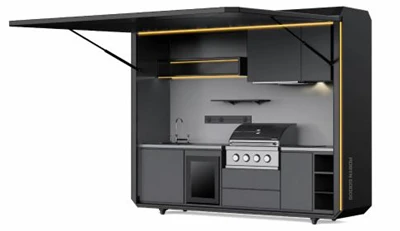
If you’re thinking about adding an outdoor kitchen, and you want to avoid the headaches of bad maintenance, let’s talk. I can walk you through the best materials for your climate, your budget, and how you plan to use the space, and give you a clear breakdown of what maintenance will actually look like for you. Whether you’re a homeowner looking for a weekend BBQ spot, or a business owner wanting to upgrade your outdoor service area, I can help you build an outdoor kitchen that’s built to last, not to be a chore. Reach out to me to chat about your project, and let’s make something that works for you, without the stress of endless maintenance.
Aluminum Pergola References:
- American Society of Heating, Refrigerating and Air-Conditioning Engineers (ASHRAE). (2020). Outdoor Residential Kitchen Design and Maintenance Guidelines. Atlanta, GA: ASHRAE.
- National Kitchen & Bath Association (NKBA). (2021). Outdoor Kitchen Material Durability Study. Hackettstown, NJ: NKBA.
- Stainless Steel Industry Association (SSIA). (2019). 304 Grade Stainless Steel Performance in Coastal and Extreme Climates. Washington, D.C.: SSIA.
- Concrete Countertop Institute (CCI). (2022). Sealing and Maintenance Best Practices for Exposed Concrete Surfaces. Raleigh, NC: CCI.
- Outdoor Power Equipment Institute (OPEI). (2021). Residential Outdoor Grill Maintenance Trends and Cost Data. Alexandria, VA: OPEI.
Robyn Outdoor Shandong RobynGoods Imp&Exp Co., Ltd.
As one of the most professional outdoor kitchen manufacturers and suppliers in China, we also support customized service. Please rest assured to wholesale discount outdoor kitchen in stock here from our factory. Quality products and reasonable price are available.
Address: Shengcheng Subdistrict, Shouguang, Weifang, Shandong Province, China
E-mail: owen@robynoutdoor.com
WebSite: https://www.robynoutdoor.com/
